Melbourne
City guide · Victoria · Australia
Melbourne Cricket Ground · National Gallery of Victoria
About Melbourne
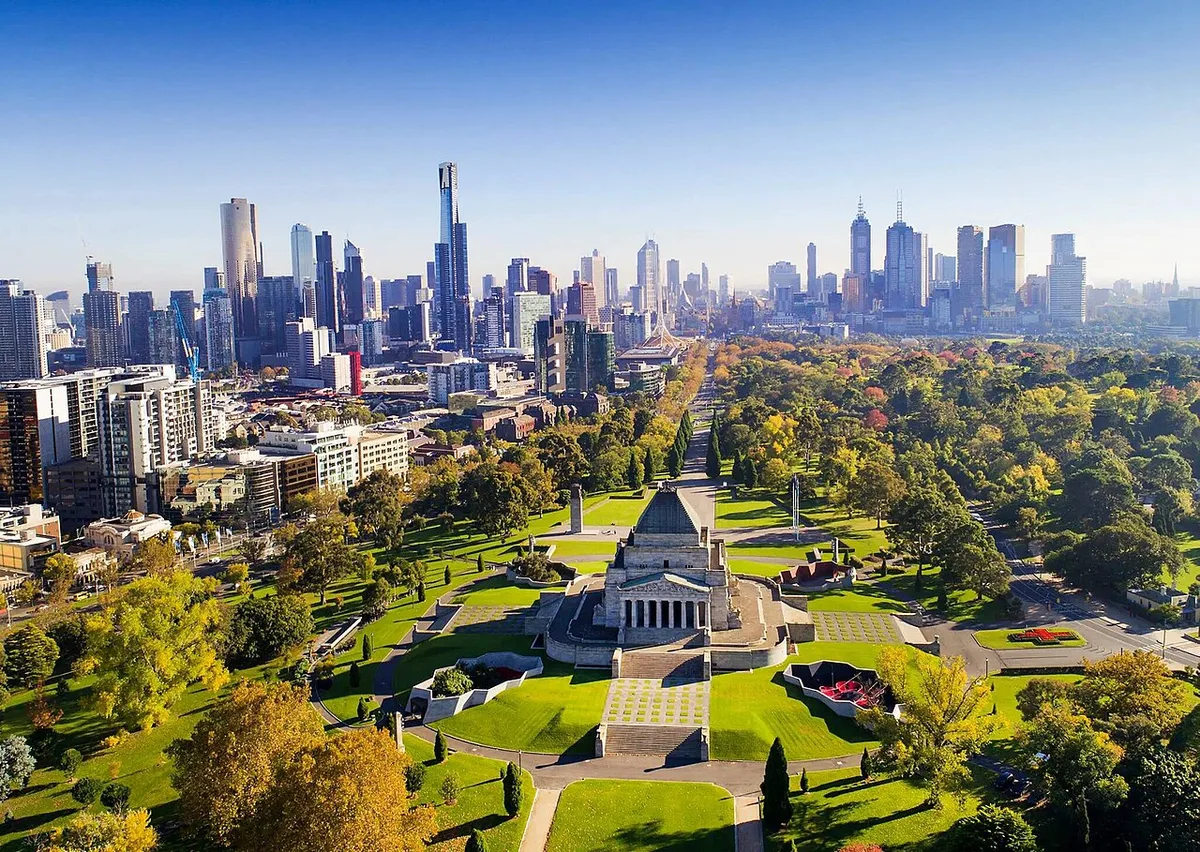
Melbourne is the capital and most populous city of the Australian state of Victoria, and the second-most populous city in Australia. It is a culturally diverse metropolis known for its eclectic architecture, street art, live music, theatre scenes, and major sporting events. The city occupies much of the northern and eastern coastlines of Port Phillip Bay and is the southernmost city in the world with a population exceeding one million. Its inhabitants are known as 'Melburnians'.
Who this destination fits
Highlights worth planning around
Strong fit
- Culturally diverse with a rich arts scene, including street art, live music, and theatre
- Hosts major annual sporting events such as the Australian Grand Prix and the Australian Open
- Features a large urban tram network, the largest in the world, making it easy to get around
- Known for its eclectic architecture, blending Victorian-era structures with a modern skyline
- Ranked as one of the world's most liveable cities and voted the world's best city by Time Out in 2026
Tradeoffs
- Weather can be variable, with a mean max temperature of 20.2°C and mean min of 9.7°C, requiring flexible packing
- As a major metropolis, it may feel crowded or busy compared to smaller destinations
- The city's popularity for events and tourism may lead to higher costs during peak seasons
Plan the trip
Best time to visit
The best time to visit Melbourne is during the Australian spring (September to November) or autumn (March to May) when temperatures are mild and rainfall is moderate. The city has a temperate climate with a mean max temperature of 20.2°C and mean min of 9.7°C, and annual rainfall of 515.5 mm.
Planning lead time
A minimum of 3-4 days is recommended to explore the city's main attractions, including its cultural districts, sports venues, and laneways.
Decision factors
Safety
Melbourne is generally considered a safe city for travelers. As with any major metropolis, visitors should exercise standard precautions, especially in crowded areas and at night. The city has a well-developed public transport system and is known for its liveability.
Getting around
Melbourne has Australia's most extensive freeway network and the largest urban tram network in the world. Its main metropolitan rail terminus is Flinders Street station, and its main regional rail and road coach terminus is Southern Cross station. Melbourne Airport is the second-busiest airport in Australia.
Trip Budget Calculator for Melbourne
Estimate your travel expenses based on duration, style & group size
Global planning baseline. Flights use a generic estimate.
* Commission may be earned from qualifying partner bookings.