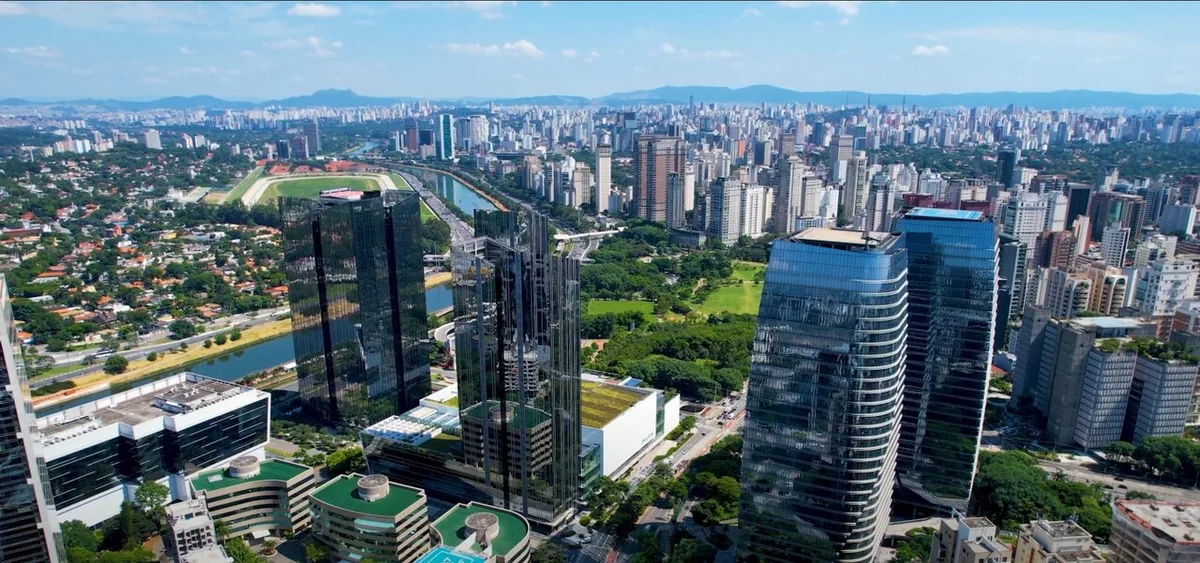
São Paulo
City guide · Southeast Region, Brazil · Brazil
São Paulo Cathedral · Ibirapuera Park and its Obelisk
About São Paulo
São Paulo is the capital of the state of the same name and the most populous city in Brazil, South America, the Americas, and both the Western and Southern Hemispheres. Founded in 1554 by Jesuit priests, it is one of the oldest continuously inhabited cities on the American continent. The city exerts international influence in commerce, finance, culture, gastronomy, arts, fashion, technology, entertainment, and media. It has been listed by UNESCO's Creative Cities Network as a 'City of Film' and holds the title of 'World Capital of Gastronomy', and is classified as an alpha global city by the Globalization and World Cities Research Network (GaWC). It is the largest urban area by population outside Asia and the most populous Portuguese-speaking city in the world. The city's name honors Paul the Apostle, and its residents are known as paulistanos. Its Latin motto is 'Non ducor, duco' ('I am not led, I lead').
Who this destination fits
Highlights worth planning around
Strong fit
- Internationally influential in commerce, finance, culture, gastronomy, arts, fashion, technology, entertainment, and media
- Recognized by UNESCO's Creative Cities Network as a 'City of Film' and holds the title of 'World Capital of Gastronomy'
- Classified as an alpha global city by the Globalization and World Cities Research Network (GaWC)
- One of the oldest continuously inhabited cities on the American continent, founded in 1554
- The largest urban area by population outside Asia and the most populous Portuguese-speaking city in the world
Tradeoffs
- As the most populous city in Brazil, South America, and the Americas, it can be overwhelming and crowded
- The scale of the city (municipality area of 1,521.20 km²) may require significant planning to navigate
- Being a major global hub, it may not suit travelers seeking a quiet or slow-paced getaway
Trip Budget Calculator for São Paulo
Estimate your travel expenses based on duration, style & group size
Global planning baseline. Flights use a generic estimate.
* Commission may be earned from qualifying partner bookings.