About Jaipur
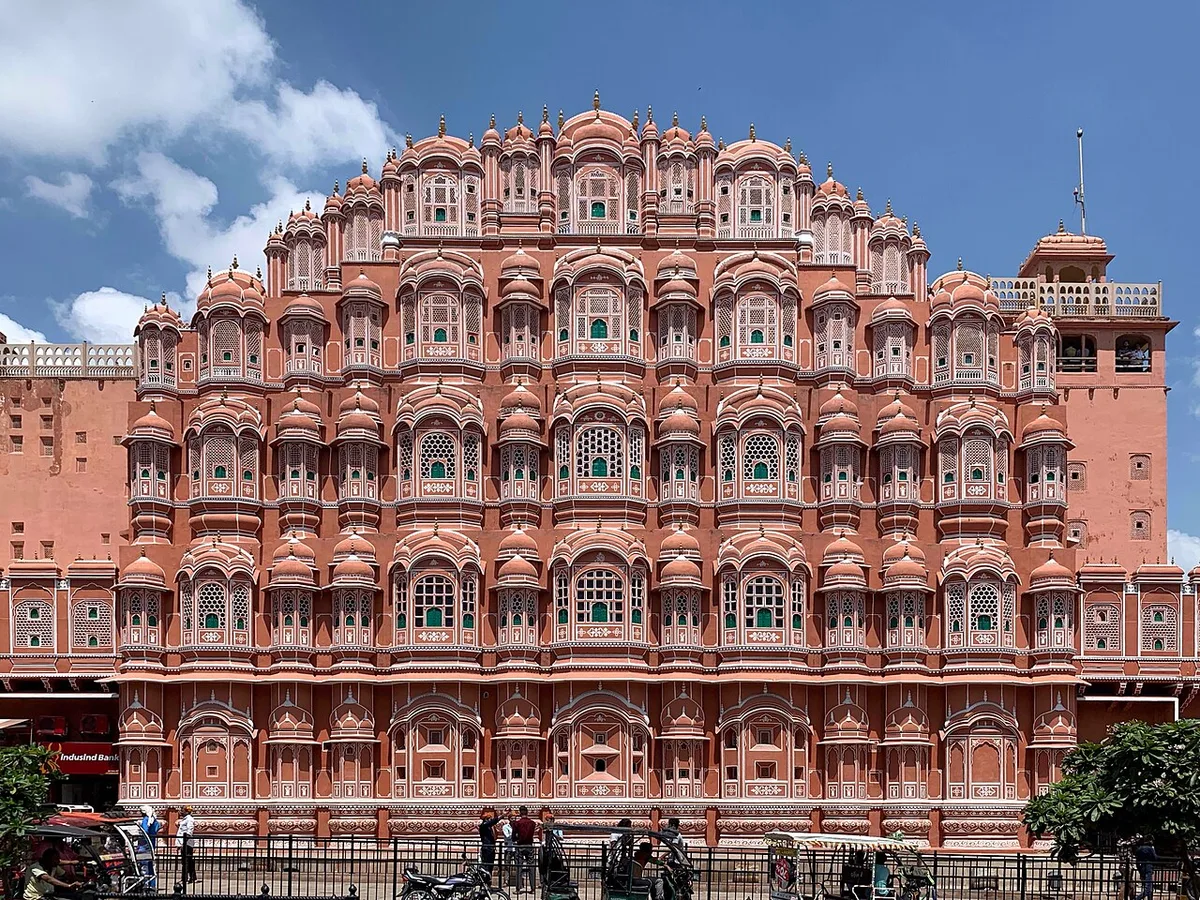
Jaipur is the capital and largest city of the north-western Indian state of Rajasthan. Founded in 1727 by Sawai Jai Singh II, the Kachhwaha Rajput ruler of Amer, it is one of the earliest planned cities of modern India, designed by Vidyadhar Bhattacharya. Known as the Pink City due to the dominant colour scheme of its buildings in the old city, Jaipur is a popular tourist destination and forms part of the Western Golden Triangle tourist circuit along with Delhi and Agra. The city serves as a gateway to other tourist destinations in Rajasthan, such as Jodhpur, Jaisalmer, Bikaner, Udaipur, Bundi, Kota, and Mount Abu. Jaipur City, Rajasthan, was designated a UNESCO World Heritage Site in 2019 under cultural criteria (ii), (iv), and (vi).
Who this destination fits
Highlights worth planning around
Strong fit
- Rich cultural heritage with two World Heritage sites, including Amer Fort and the planned city of Jaipur itself
- Distinctive identity as the Pink City, with a dominant colour scheme in the old city's buildings
- Well-connected as a gateway to other major Rajasthan destinations
- Part of the popular Golden Triangle tourist circuit, making it easy to combine with Delhi and Agra
Tradeoffs
- Can be crowded and touristy as a major stop on the Golden Triangle circuit
- Hot summers and potential heat discomfort for travelers unaccustomed to high temperatures
- Traffic and urban congestion typical of a large Indian metropolis
Plan the trip
Best time to visit
October to March (cooler, drier months; editorial recommendation based on typical North Indian climate patterns)
Planning lead time
2-3 days recommended for the city's major heritage sites and as a Golden Triangle stop
Decision factors
Safety
Generally safe for tourists, but standard urban precautions advised; no specific current safety advisories verified in source evidence
Getting around
Jaipur International Airport serves the city; Jaipur Metro provides rapid transit; located 268 km from New Delhi
Trip Budget Calculator for Jaipur
Estimate your travel expenses based on duration, style & group size
Global planning baseline. Flights use a generic estimate.
* Commission may be earned from qualifying partner bookings.