Madrid, Spain
City guide · Community of Madrid · Spain
Prado Museum · Royal Palace
About Madrid, Spain
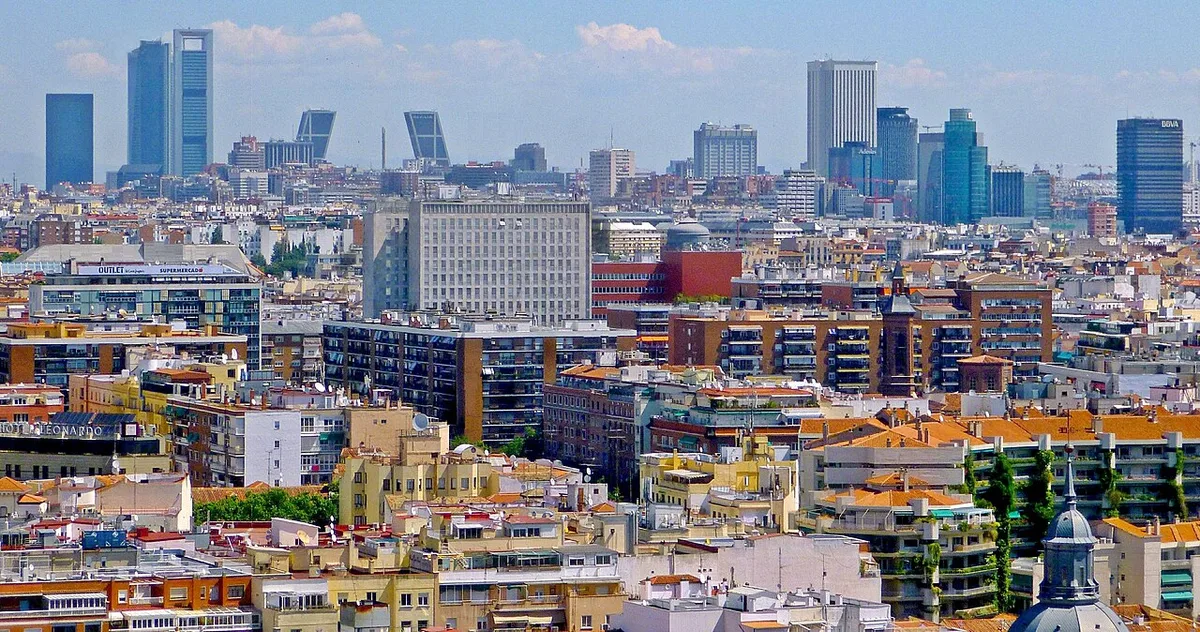
Madrid stands as a major European cultural capital, anchored by world-class art institutions, historic royal architecture, and extensive green spaces. The Prado Museum ranks among the continent's foremost art collections, while the Royal Palace counts as one of Europe's largest. El Retiro Park, recognized as a UNESCO World Heritage Site, sits alongside Casa de Campo, Spain's largest green space. The city's food culture spans century-old tapas taverns to Michelin-starred dining and rooftop cocktail bars. Madrid maintains a strong performance calendar, with the source describing it as one of Europe's busiest capitals for shows and cultural activities. Summer brings music festivals and terrace culture, though travelers should prepare for significant heat during these months. The metro and public transport network provides essential connectivity across neighborhoods and attractions.
Who this destination fits
Highlights worth planning around
Strong fit
- Major European cultural capital with internationally recognized art museums including the Prado
- Extensive public park system anchored by El Retiro Park (UNESCO World Heritage Site) and Casa de Campo, Spain's largest green space
- Historic royal architecture including one of Europe's largest palaces
- Diverse food scene from traditional tapas taverns to Michelin-starred restaurants and rooftop bars
- Strong calendar of performances and cultural activities year-round
Tradeoffs
- Summer heat can be intense, requiring planning for outdoor activities
- High visitor volume at major attractions and during peak periods
Plan the trip
Best time to visit
The source notes Madrid offers culture, food, and entertainment throughout the year. Summer features music festivals and extended terrace evenings, though heat management becomes a consideration.
Planning lead time
Several days to a week allows coverage of major museums, neighborhoods, and surrounding day-trip options.
Decision factors
Getting around
The city operates a comprehensive metro and public transport network described as essential for navigating the city.
Trip Budget Calculator for Madrid, Spain
Estimate your travel expenses based on duration, style & group size
Global planning baseline. Flights use a generic estimate.
* Commission may be earned from qualifying partner bookings.