Hoi An
City guide · Quang Nam Province (historically); Old Town now part of Da Nang · Vietnam
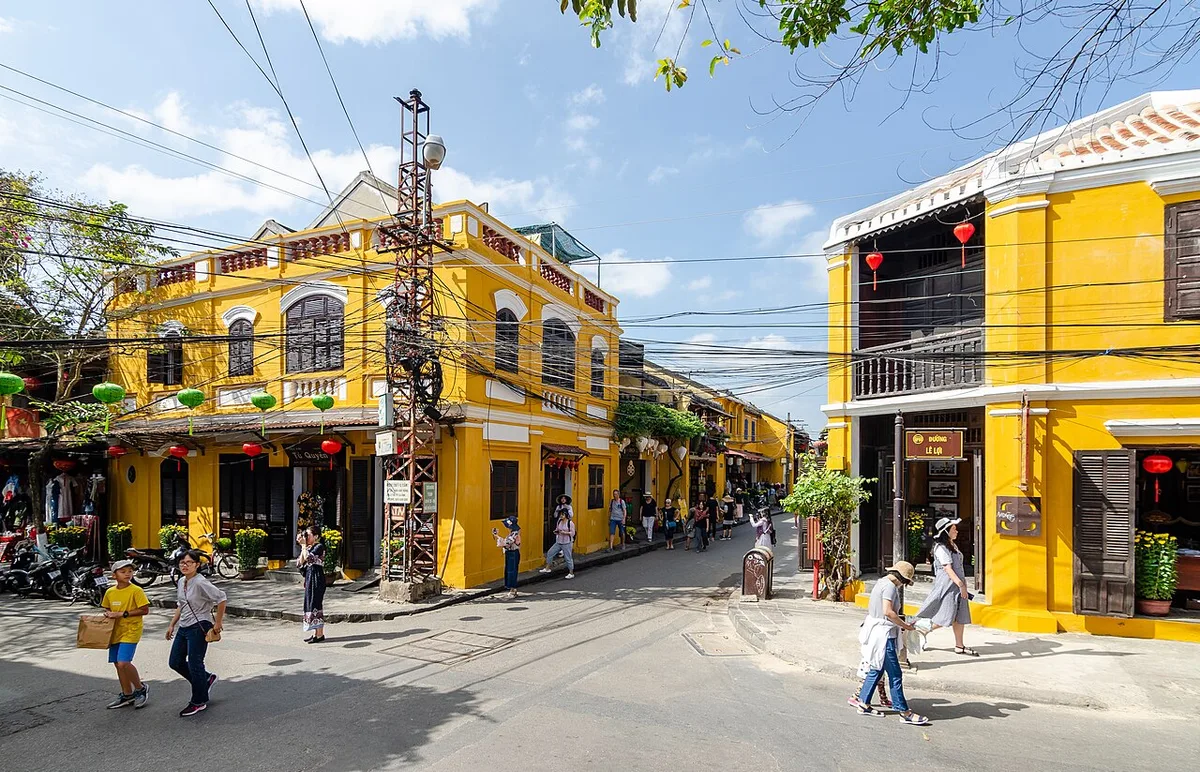
Hoi An Old Town, a UNESCO World Heritage Site · Historic port town architecture blending indigenous and foreign influences
About Hoi An
Hoi An is a historic port town in central Vietnam, recognized as a UNESCO World Heritage Site. The destination is known for its well-preserved Old Town, which reflects a blend of indigenous and foreign influences, particularly from Chinese, Japanese, and European trading cultures. Travelers can expect a walkable, atmospheric setting with traditional architecture, lantern-lit streets, and a riverside location. The town's heritage status and distinctive character make it a notable stop for those interested in history, culture, and photography. As a former provincial municipality of Quang Nam province, the administrative status of Hoi An has evolved, with the Old Town now part of Da Nang. Visitors should plan for a destination that is popular and can be busy, with a focus on cultural exploration rather than modern urban amenities.
Who this destination fits
Highlights worth planning around
Strong fit
- Recognized as a UNESCO World Heritage Site, reflecting its outstanding universal value as a historic port town
- The Old Town is characterized by well-preserved architecture that blends indigenous and foreign (Chinese, Japanese, European) influences
- Compact and walkable layout, making it easy to explore on foot
- Distinctive cultural atmosphere, including lantern-lit streets and a riverside setting
Tradeoffs
- Popularity can lead to crowding, which may detract from the experience for some visitors
- The administrative status of Hoi An has changed, with the former city dissolved in 2025 and the Old Town now part of Da Nang, which may cause confusion for travelers
- As a historic town, it may lack the modern amenities or nightlife found in larger Vietnamese cities
Trip Budget Calculator for Hoi An
Estimate your travel expenses based on duration, style & group size
Global planning baseline. Flights use a generic estimate.
* Commission may be earned from qualifying partner bookings.