Kuala Lumpur
City guide · Klang Valley, Malaysia · Malaysia
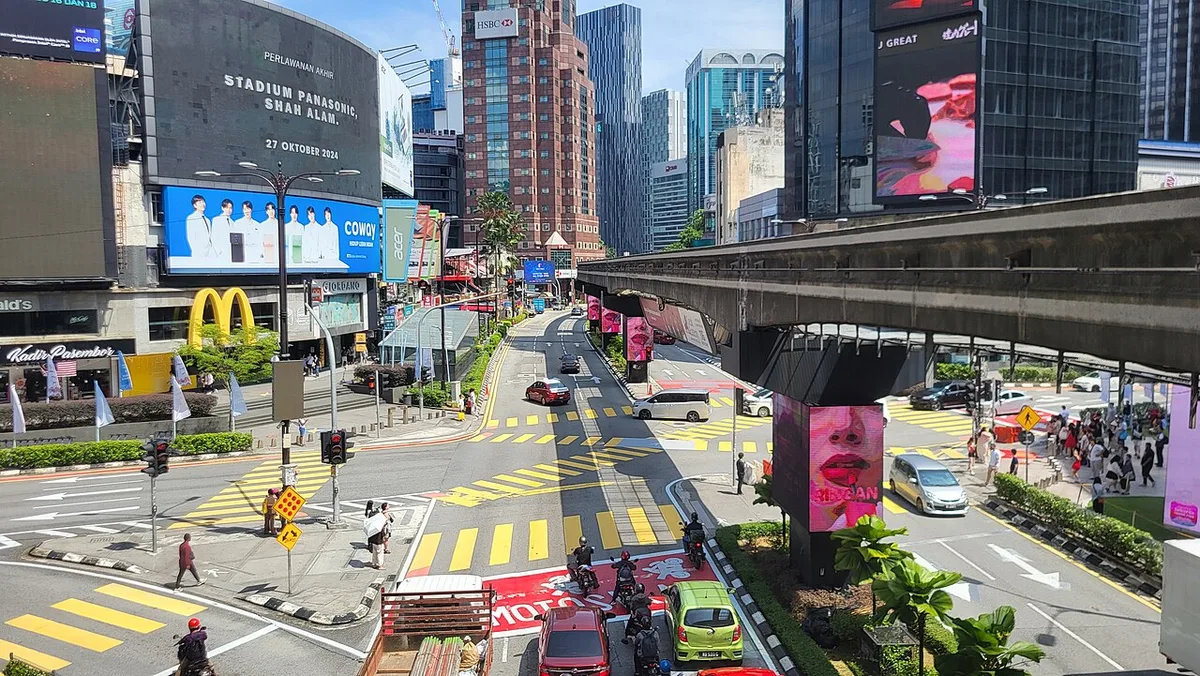
KLCC skyline and Petronas Twin Towers area · Merdeka 118, one of the tallest buildings in the world
About Kuala Lumpur
Kuala Lumpur (KL) is the federal capital and most populous city of Malaysia, serving as the country's cultural, financial, tourism, political, and economic centre. Established around 1857 and granted city status on 1 February 1972, it became a federal territory on 1 February 1974. The city covers 243 km² and, as of Q1 2024, had a population of 2,075,600, with Greater Kuala Lumpur (including the Klang Valley) forming an urban agglomeration of about 8.81 million people. KL is known for landmarks such as the KLCC skyline, Merdeka 118, Petaling Street, the National Mosque, and the National Palace. It has a tropical rainforest climate (Af) and operates on Malaysia Standard Time (UTC+8).
Who this destination fits
Highlights worth planning around
Strong fit
- Central hub for Malaysian culture, finance, tourism, and politics, with iconic landmarks like the KLCC skyline and Merdeka 118
- Large urban agglomeration (about 8.81 million people in Greater KL) offering diverse neighborhoods and activities
- Tropical rainforest climate with consistent warmth year-round
- Well-connected as a federal territory with a major international gateway role
- Rich mix of sites (e.g., Merdeka Square, National Mosque) and modern attractions
Tradeoffs
- High population density (8,540/km² in the city) can lead to crowded conditions in popular areas
- Tropical climate means high humidity and frequent rain, which may require flexible planning
- As a major metropolis, traffic congestion and urban sprawl can be challenging for navigation
- Limited green space compared to smaller Malaysian destinations, with urban development dominating
- Peak tourist seasons may increase crowding at key landmarks
Plan the trip
Best time to visit
Kuala Lumpur has a tropical rainforest climate with consistent warmth year-round; the dry season typically falls between May and July, while the wettest months are usually from October to December. Travelers should plan for high humidity and occasional rain throughout the year.
Planning lead time
A typical visit to Kuala Lumpur can be planned in 2-3 days to cover major landmarks, though longer stays allow for deeper exploration of neighborhoods and day trips.
Decision factors
Safety
Kuala Lumpur is generally considered safe for travelers, though standard urban precautions are advised, especially in crowded areas and at night. Petty crime such as pickpocketing can occur in tourist-heavy spots.
Getting around
Kuala Lumpur has an extensive public transport network including the MRT, LRT, and monorail systems, plus buses and taxis. The city is well-connected via Kuala Lumpur International Airport (KLIA) and serves as a regional transport hub.
Trip Budget Calculator for Kuala Lumpur
Estimate your travel expenses based on duration, style & group size
Global planning baseline. Flights use a generic estimate.
* Commission may be earned from qualifying partner bookings.