Malaysia
Country guide · Southeast Asia
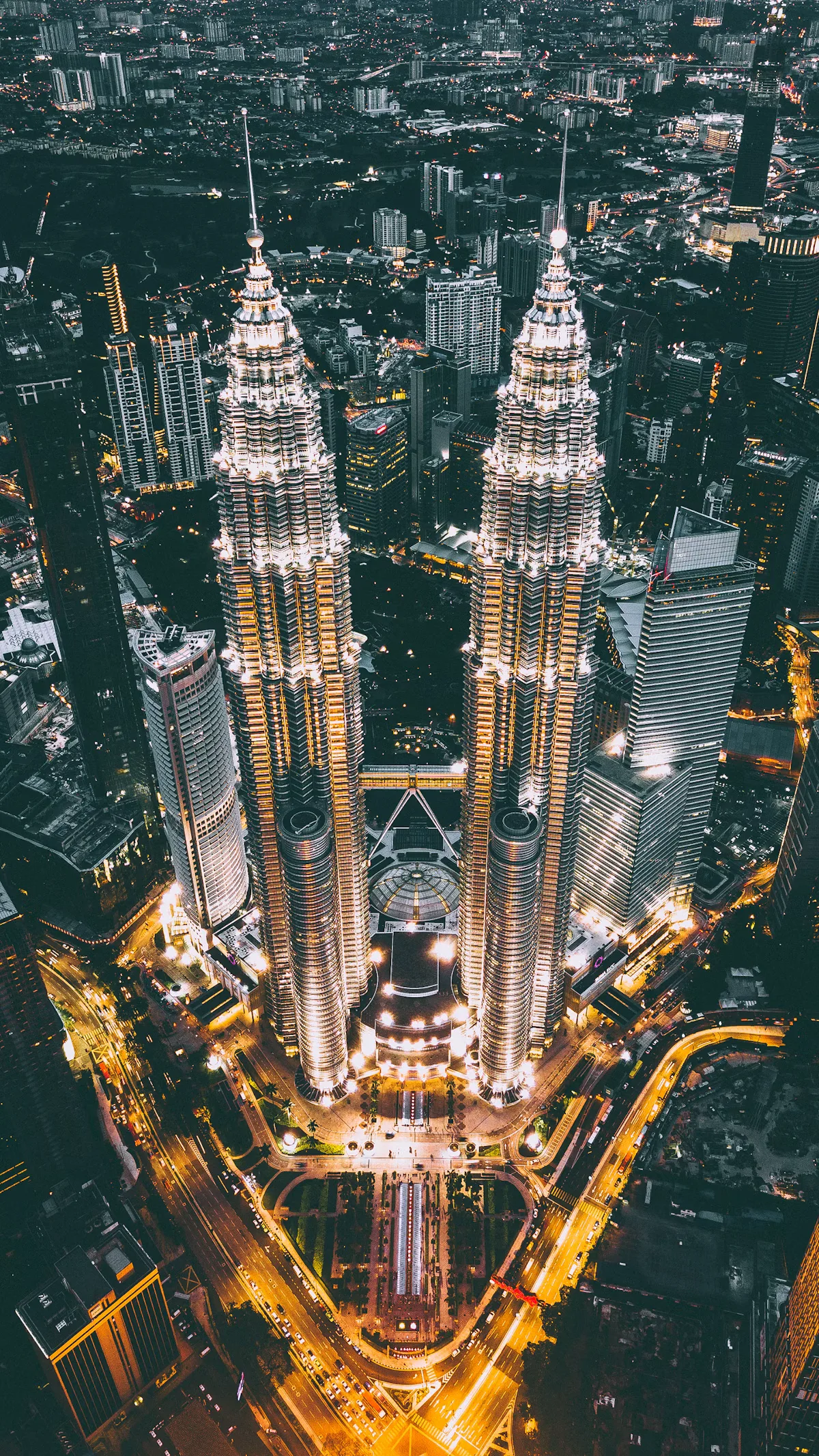
Petronas Twin Towers in Kuala Lumpur, iconic symbol of the country's rapid modernization · Langkawi islands offering pristine beaches and crystal-clear waters
About Malaysia
Malaysia is a Southeast Asian nation split by the South China Sea into Peninsular Malaysia on the Asian mainland and East Malaysia on the island of Borneo. It offers a blend of tropical landscapes, rapid economic development, and deep-rooted cultural diversity. Ancient rainforests exist a short flight from modern skyscrapers, with Kuala Lumpur's Petronas Twin Towers symbolizing the country's modernization. The nation operates as a rapidly developing upper-middle-income economy with a robust manufacturing and services sector. Society is highly multicultural, primarily comprising Malays, Chinese, Indians, and various indigenous groups, with Islam as the official religion while Buddhism, Christianity, and Hinduism are practiced freely. Malay serves as the official language, with English widely spoken in business and education. Tourism plays a massive role in the economy, drawing millions of visitors to attractions ranging from Langkawi's beaches to Penang's cultural heritage and East Malaysia's rainforests and national parks.
Who this destination fits
Highlights worth planning around
Strong fit
- Highly multicultural society creating a vibrant tapestry of customs, beliefs, and daily practices
- World-renowned culinary scene blending Malay, Chinese, and Indian influences
- Well-developed road and rail networks connecting major cities and industrial zones
- Highly accessible air travel anchored by Kuala Lumpur International Airport, a major Southeast Asia transit hub
- Strong education system with high literacy rate and advanced healthcare compared to regional standards
- Diverse attractions from modern skyscrapers to ancient rainforests and pristine islands
- Excellent value for food, public transport, and practical accommodation compared to neighboring destinations
- Wide availability of mobile network coverage and fast wi-fi at most hotels and guesthouses
Tradeoffs
- Severe traffic congestion and air pollution in major cities due to rapid urbanization
- Deforestation and habitat loss in ecologically sensitive areas from palm oil plantation expansion
- Economic inequality between different states and ethnic groups remains a complex issue
- High humidity and significant rainfall year-round due to equatorial tropical climate
- Heavy taxes on alcohol make it a more expensive party destination than neighboring countries
- Snatch theft on motorbikes known to target women in busy urban areas
- Same-sex relationships are banned by federal law and public displays of affection are frowned upon generally
- Drug offenses carry extremely serious consequences including death sentences for specified quantities
Decision factors
Getting around
Malaysia has well-developed road and rail networks connecting major cities and industrial zones. Air travel is highly accessible, anchored by modern facilities like the Kuala Lumpur International Airport, which serves as a major transit hub for Southeast Asia. Major deep-water ports support international trade operations. Public transport systems within major cities are being continuously expanded to combat traffic congestion. Within Kuala Lumpur, the LRT, MRT, and Monorail connect key areas with quick and affordable travel, while buses cover extensive routes. Grab is the most popular ride-sharing service and often gives better value than taxis. Much travel in Peninsular Malaysia is via economical and generally comfortable bus, with two train lines (the west-coast line and east line, or jungle train) also serving longer routes. No boat services connect Peninsular Malaysia with Malaysian Borneo; air travel is required for those destinations.
Cities and regions to explore
Start with the country decision, then choose the city or region that fits your trip.
Trip Budget Calculator for Malaysia
Estimate your travel expenses based on duration, style & group size
Global planning baseline. Flights use a generic estimate.
* Commission may be earned from qualifying partner bookings.