Search results

267 itemsTrip ideas to inspire your plan
Sort by:
Loading filters...
Rio de Janeiro
destination

Rio de Janeiro

destination

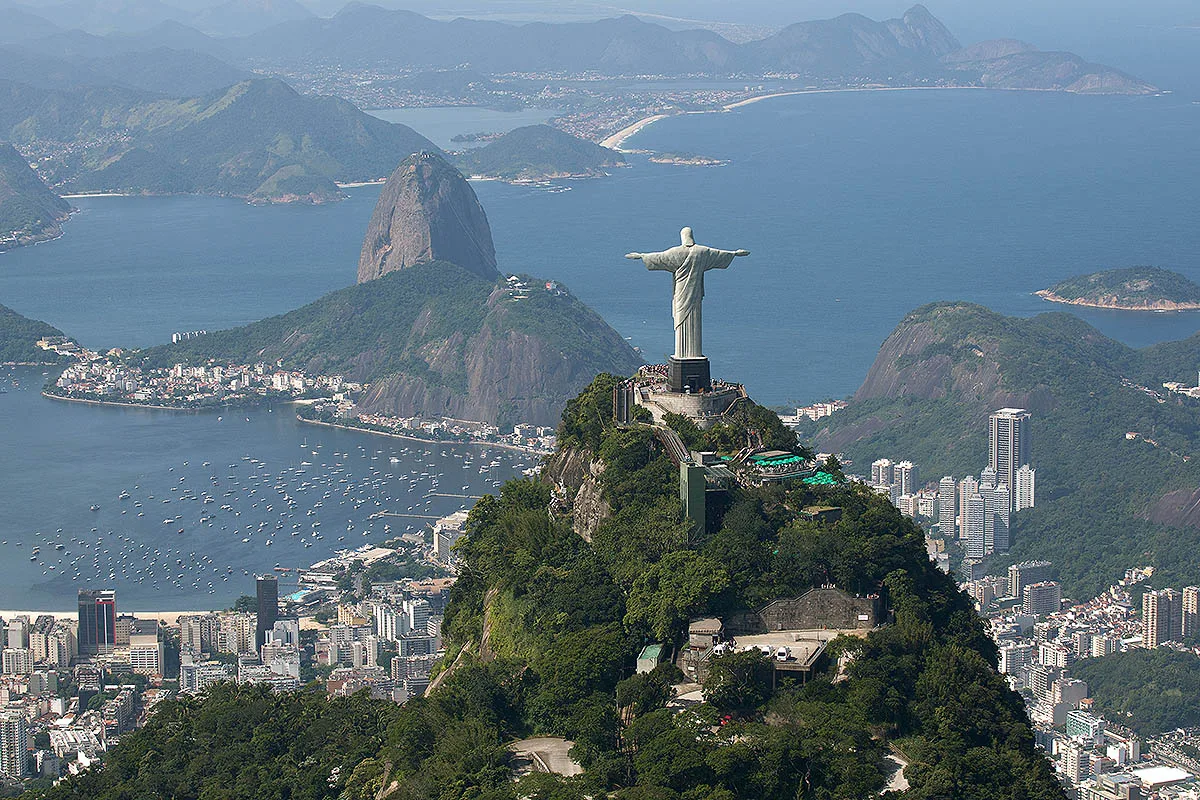
Rio de Janeiro is a Brazilian city on the South Atlantic coast, famous for its breathtaking landscape, laid-back beach culture, and annual carnival. The 'Carioca Landscapes between the Mountain and the Sea' has been inscribed on the UNESCO World Heritage list. The harbor of Rio de Janeiro is comprised of a unique entry from the ocean surrounded by spectacular geographic features including Sugarloaf mountain at 395 meters, Corcovado Peak at 704 meters, and the hills of Tijuca at 1,021 meters. The South Zone holds most of Rio's landmarks and world-famous beaches, including Copacabana and Ipanema, in an area of only 43.87 square kilometers. The city is divided into distinct districts: Zona Sul with upscale neighborhoods and major tourist sites; Centro with historic buildings and the financial district; Zona Norte including Maracana stadium; and Zona Oeste, a rapidly growing suburban area with beaches where most of the 2016 Olympics were hosted. The climate is tropical with a hot, humid, and sometimes rainy summer and a mild, dry winter.
Rome
destination

Rome

destination

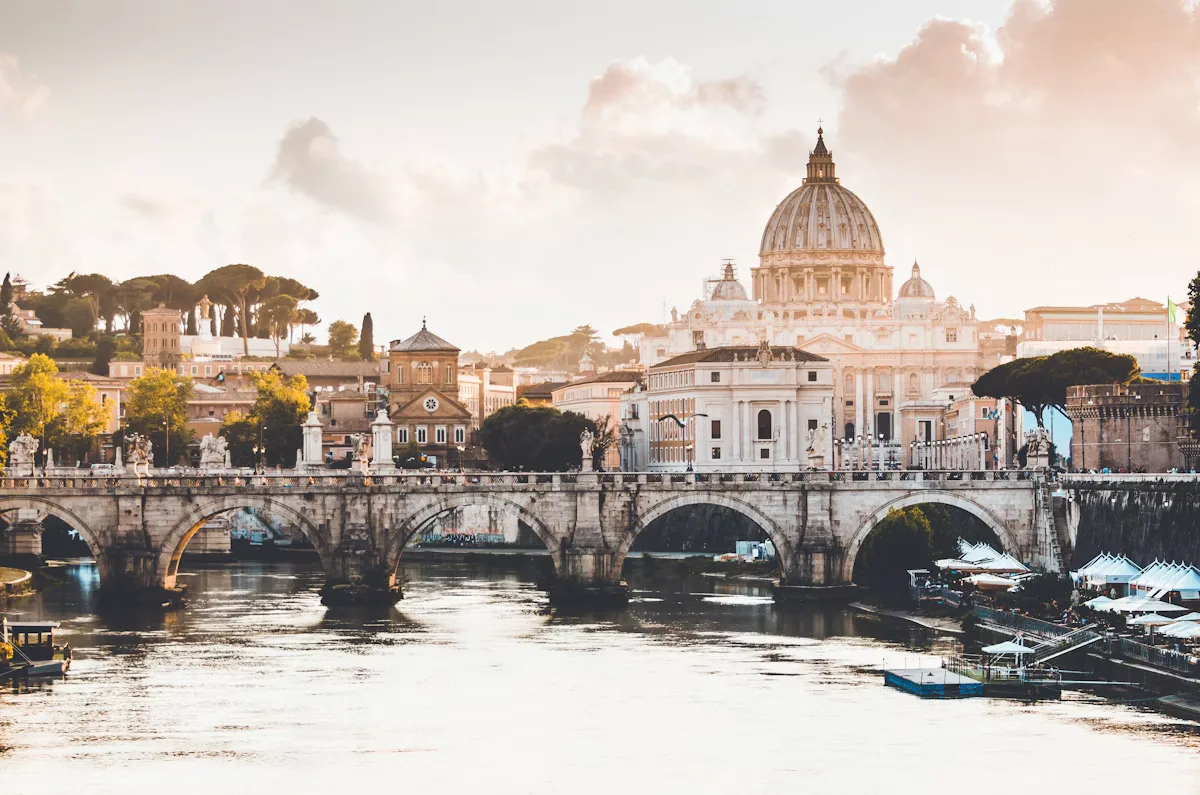
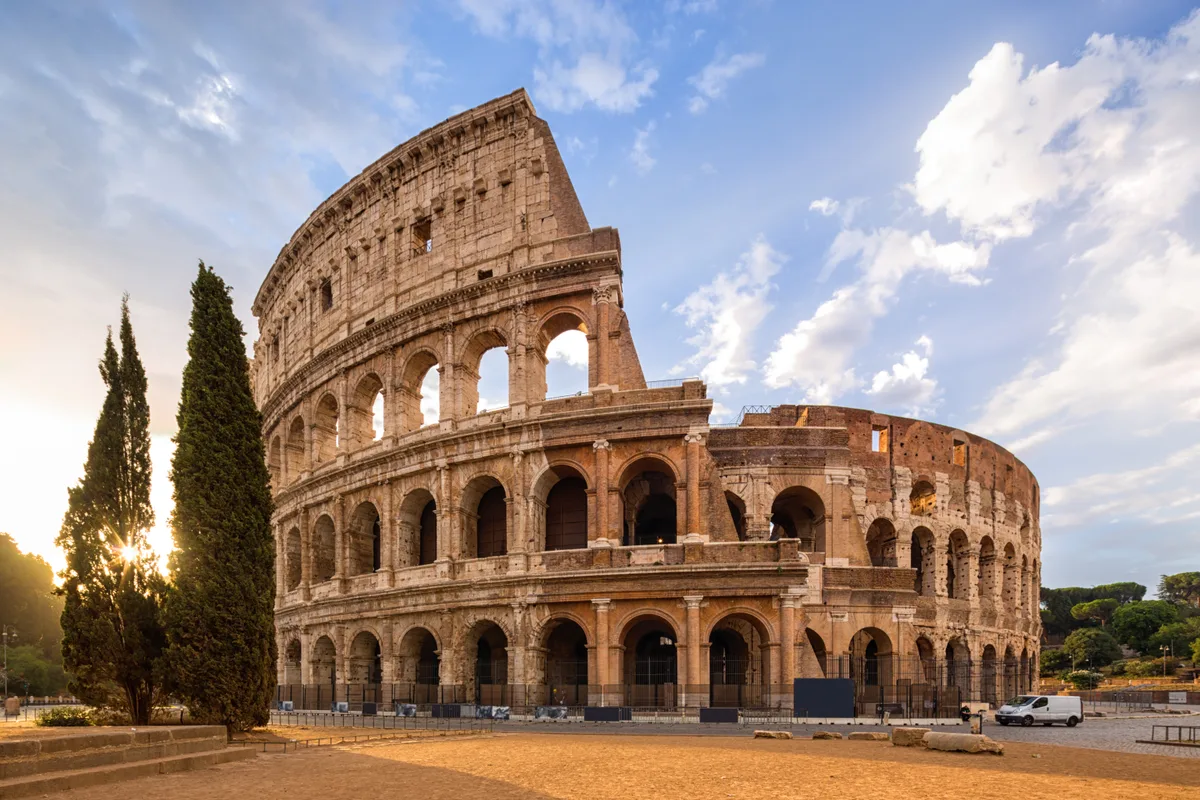
Rome, the capital of Italy and of the Lazio region, is often called the Eternal City. A walk through its streets is a journey through millennia of history, from the founding traditions of the 8th century BCE to the height of the Roman Empire and beyond. The city encompasses two capitals in one: the seat of the Italian government and the independent Vatican City, home to St Peter's Square and the heart of the Catholic world. Its historic centre is a UNESCO World Heritage Site, filled with ancient ruins, Renaissance churches, Baroque fountains, and neoclassical monuments. Rome's artistic heritage is immense, with masterpieces by Caravaggio, Michelangelo, and countless others distributed among museums, churches, and public spaces. The Colosseum, the largest amphitheatre ever built, stands as an enduring symbol of imperial Rome, while the Roman Forum preserves the political and civic heart of the ancient city.

Paris
destination

Paris

destination

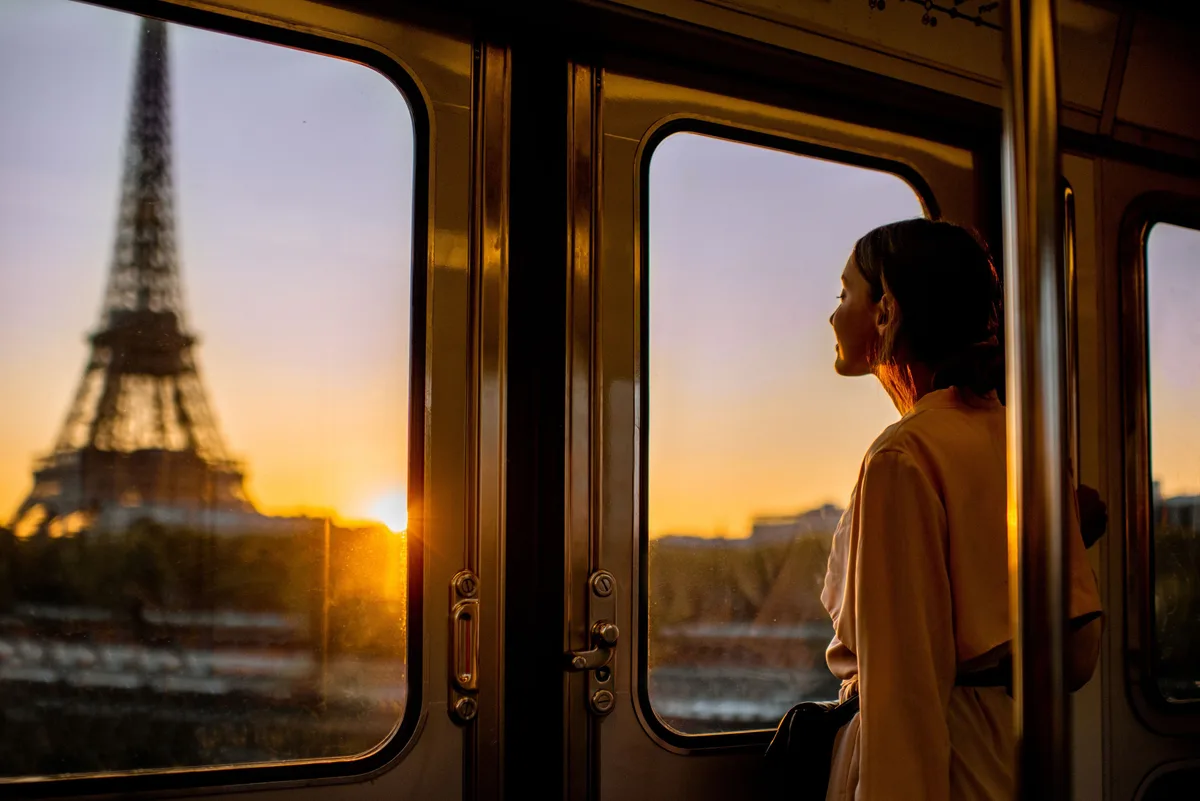
Paris is a global capital of art, culture, and gastronomy, where each neighborhood offers a distinct world to explore, from Montmartre to the Latin Quarter. The city is home to iconic landmarks such as the Eiffel Tower, the Arc de Triomphe, the Champs-Elysees, and Notre-Dame Cathedral, alongside world-renowned museums like the Louvre and the Musee d'Orsay. Paris is also celebrated for its cafe culture, haute cuisine, luxury shopping, and vibrant arts scene, making it a timeless destination for travelers seeking both history and contemporary flair.

Bali
destination

Bali

destination

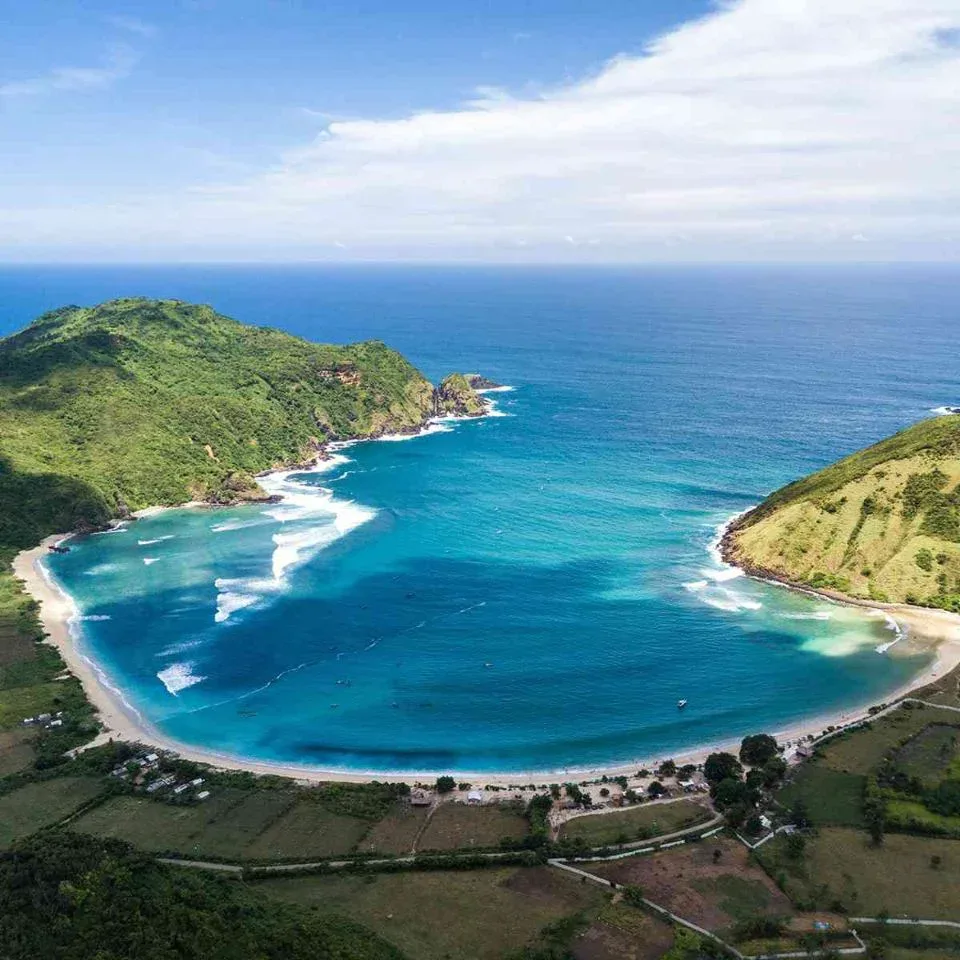
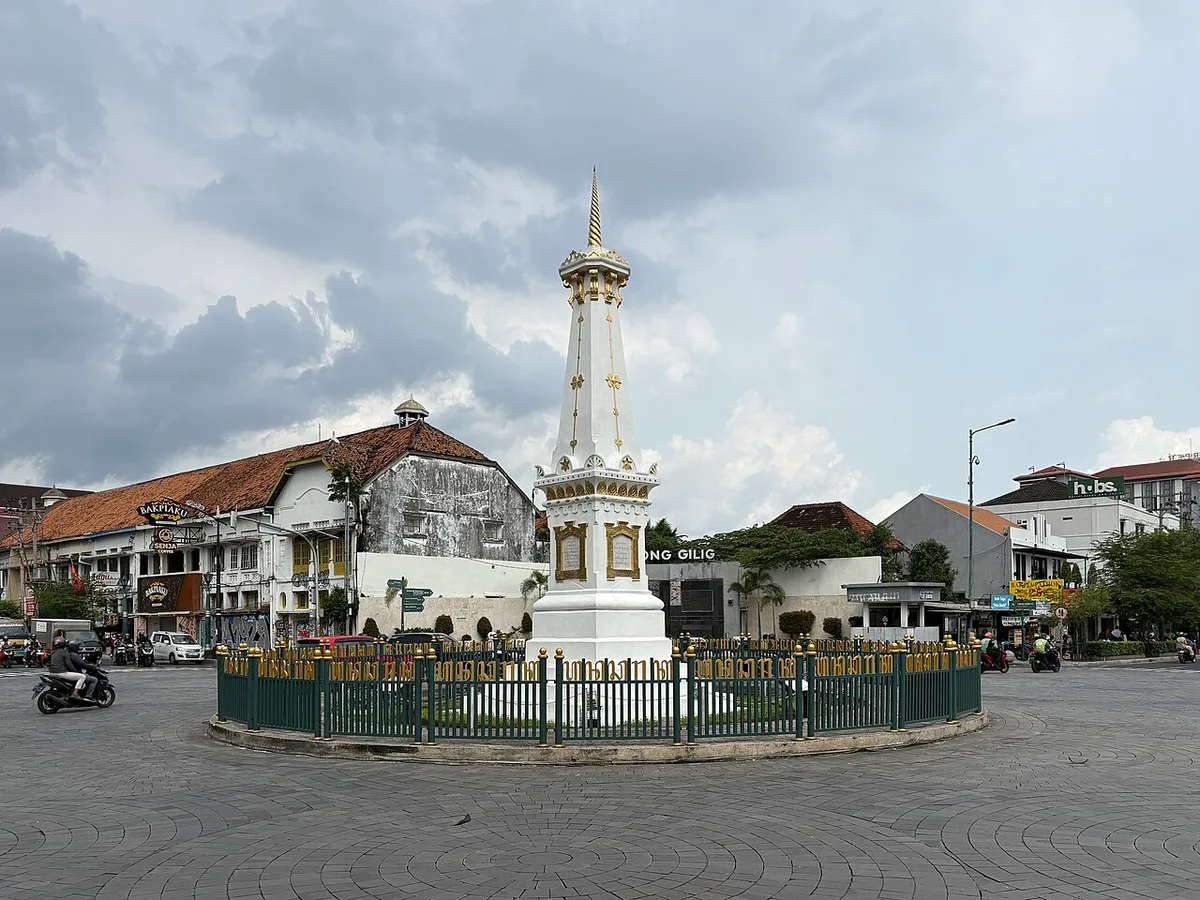
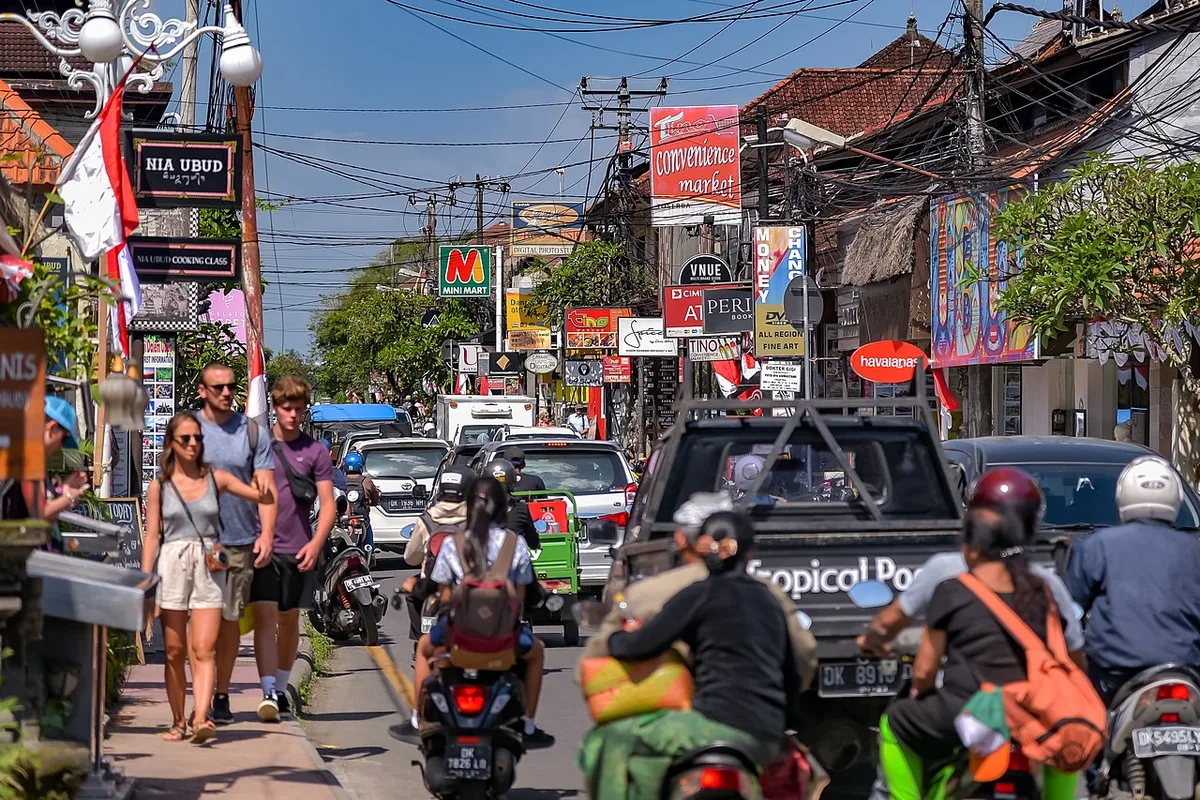
Bali is an Indonesian island province in the Lesser Sunda Islands, often called the "Island of the Gods" for its deeply interwoven spiritual and artistic culture. The landscape ranges from volcanic highlands and terraced rice paddies to rugged coastlines and sandy beaches. Visitors are drawn to its distinctive Hindu-influenced traditions, expressed through temple architecture, dance, painting, and sculpture. The central region around Ubud has long been recognized as the island's cultural heart, with museums, arts and crafts, and forested foothill settings. Sacred water temples such as Tirta Empul remain significant spiritual sites where purification rituals have been practiced for generations. The island's popularity as a destination has brought modern development, particularly in southern areas, alongside enduring traditional communities.

Canada
destination

Canada

destination

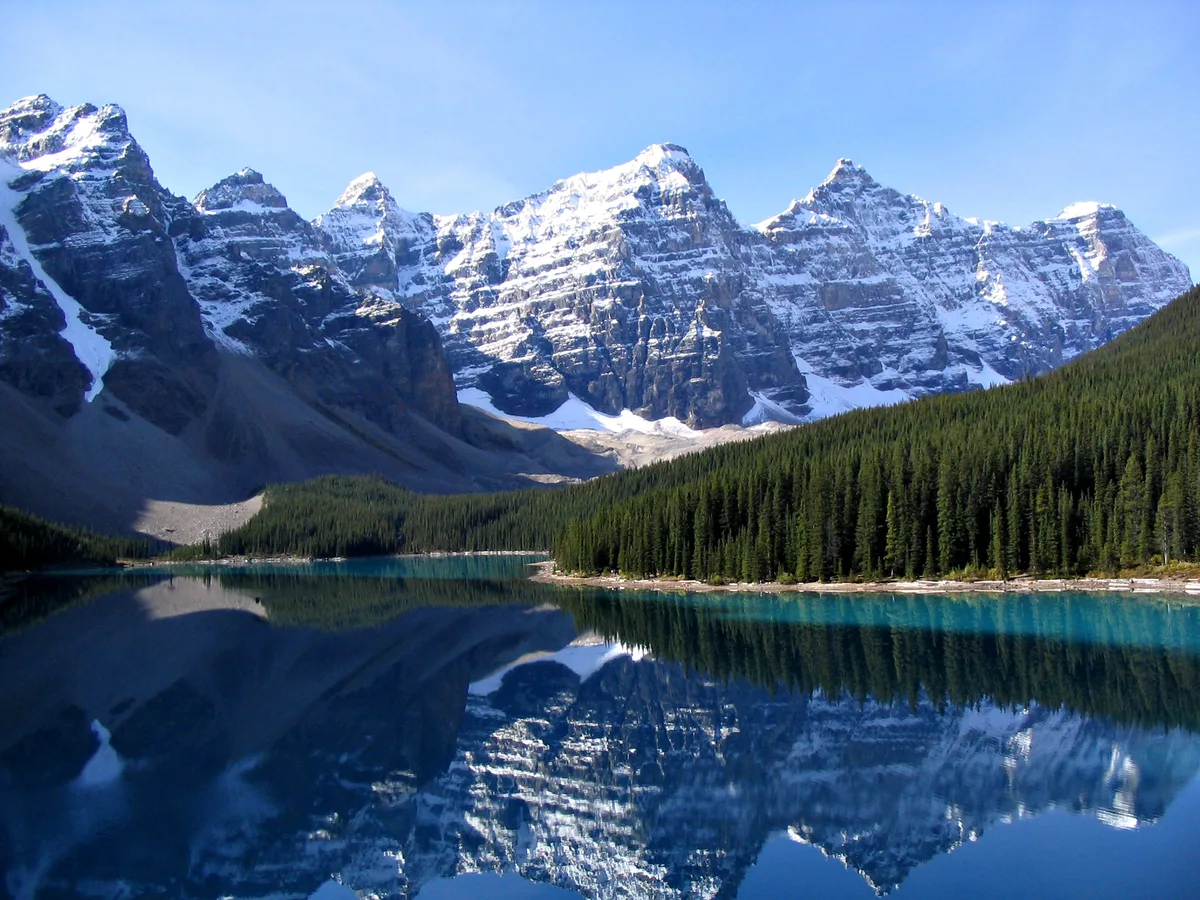
Canada is the world's second-largest country by total area, spanning approximately 9.98 million square kilometers across North America. It stretches from the Atlantic Ocean on the east to the Pacific Ocean on the west and reaches north to the Arctic Ocean. The country encompasses ten provinces and three territories, featuring diverse geography that includes the Western Cordillera with Mount Logan (Canada's highest peak at 5,959 meters), the vast Canadian Shield, the Interior Plains, the St. Lawrence Lowlands, and the Arctic Archipelago. Canada shares the world's longest binational land border with the United States. The nation is officially bilingual in English and French, operates as a parliamentary democracy and constitutional monarchy, and maintains Ottawa as its federal capital while Toronto serves as its most populous city. The country's geography supports significant natural features including the Great Lakes, the Rocky Mountains, extensive forest systems, and the world's longest national coastline at approximately 243,000 kilometers.

Tanzania
destination

Tanzania

destination

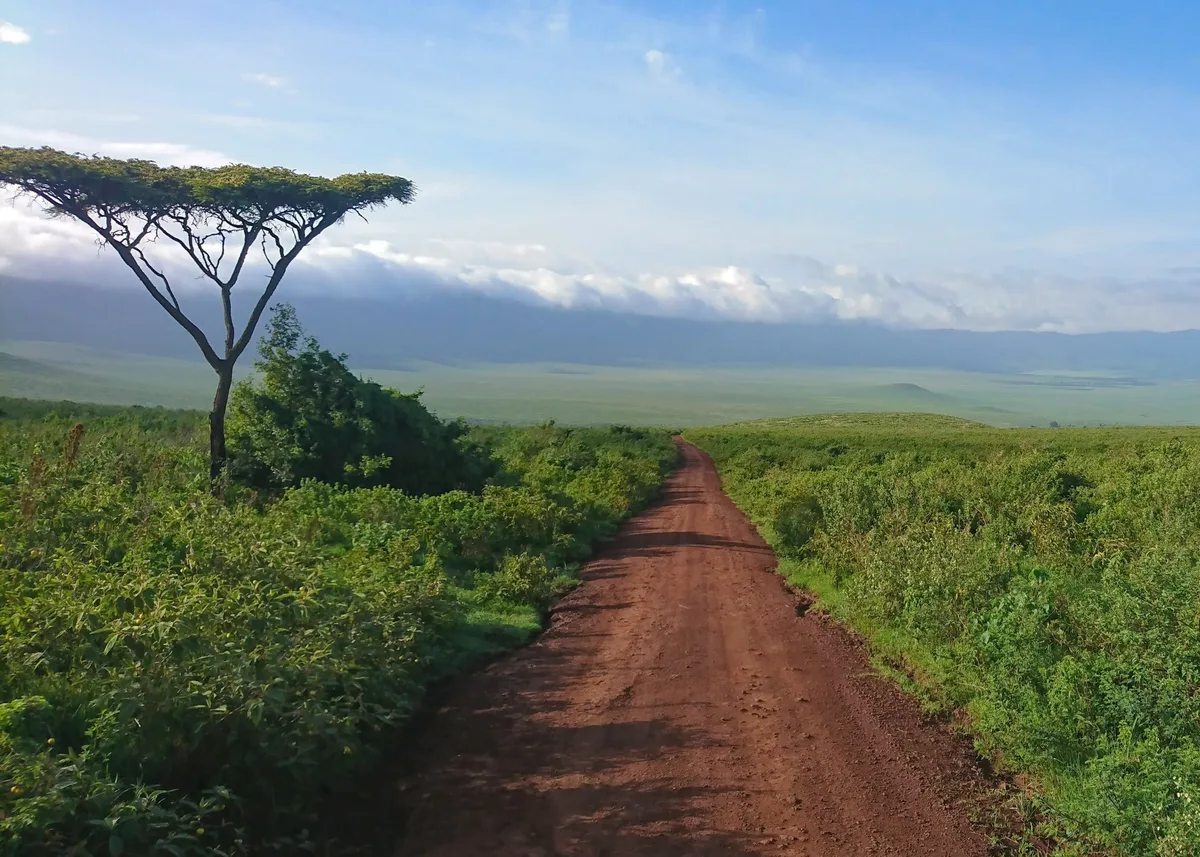
Tanzania is a country in East Africa known for its wildlife, national parks, and the Serengeti. The country is home to Mount Kilimanjaro, Africa's highest peak, and offers a range of safari and outdoor experiences. Travelers can expect a destination focused on nature and wildlife viewing, with the Serengeti being a primary draw for those seeking to observe the Great Migration and diverse animal populations. The country also includes the island of Zanzibar, which offers coastal and cultural experiences distinct from the mainland safari circuit.

Croatia
destination

Croatia

destination

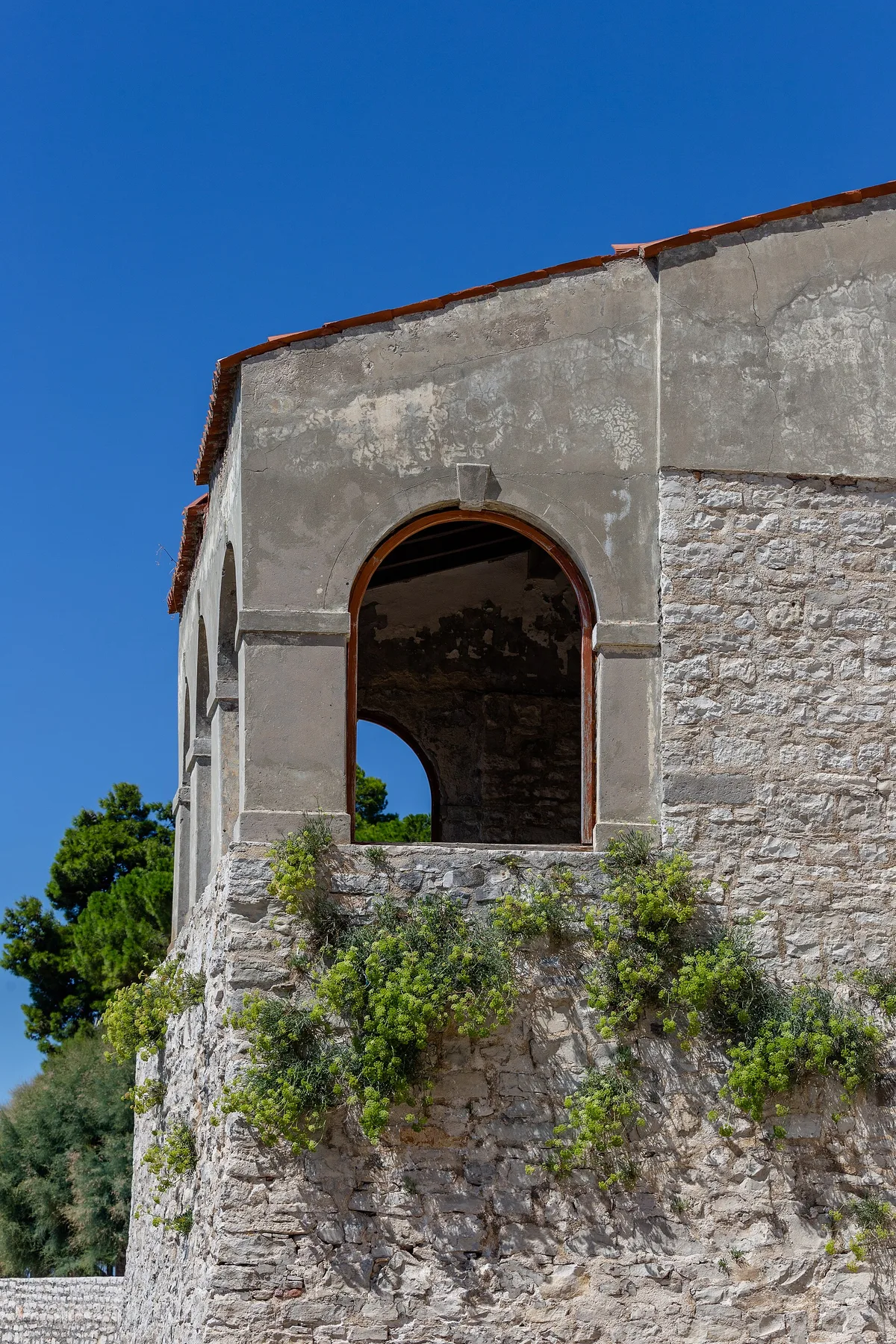
Croatia is a country in Central and Southeastern Europe on the coast of the Adriatic Sea, bordering Slovenia to the northwest, Hungary to the northeast, Serbia to the east, and Bosnia and Herzegovina and Montenegro to the southeast, with a maritime border with Italy to the west. Its capital, largest city, and main cultural and economic center is Zagreb, with major urban centers including Split, Rijeka, and Osijek. The Croatian archipelago contains over 1,000 islands and islets, the largest overseas territory on the Adriatic Sea. The country spans 56,561 square kilometers across twenty counties and four administrative regions, with a population of nearly 3.9 million as of 2026. Croatia is a unitary parliamentary republic, a member of the European Union, and uses the Euro as its currency.

Florianópolis
destination

Florianópolis

destination

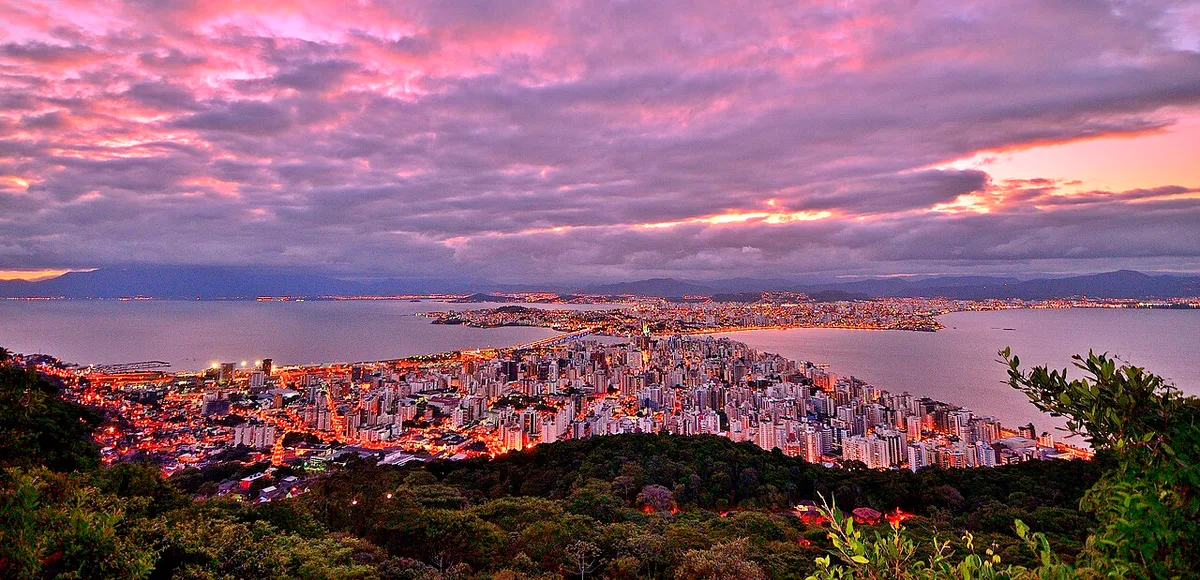
Florianópolis, the capital of Santa Catarina state in southern Brazil, is an island city known for its beaches, surfing culture, and high quality of life. Nicknamed 'Floripa' and the 'Magic Island,' it blends urban amenities with Atlantic Forest landscapes. The city's economy is driven by information technology, tourism, and services, and it has been recognized for having one of Brazil's highest Human Development Index scores. It is a popular destination for domestic travelers and visitors from Argentina, Uruguay, and beyond, offering a mix of beach recreation, nature, and city life.

Florence, Italy
destination

Florence, Italy

destination

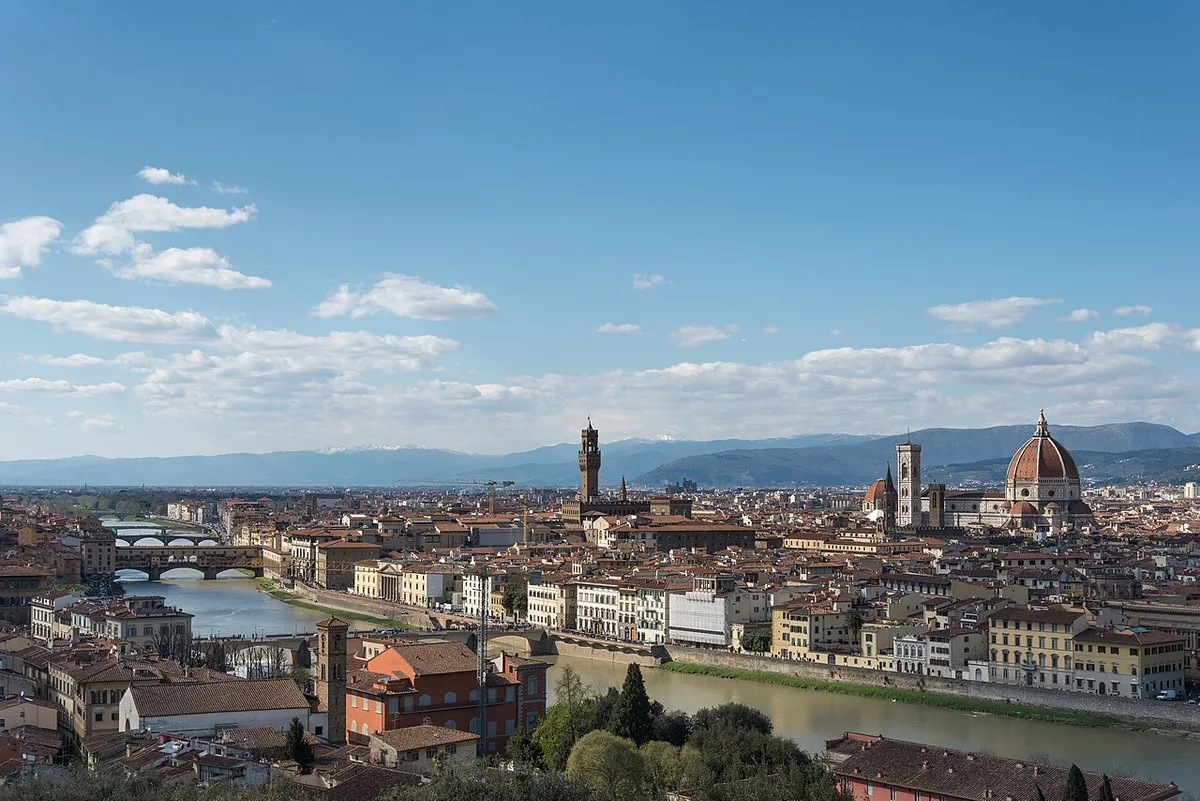
Florence, the capital of Italy's Tuscany region, is widely regarded as the birthplace of the Renaissance and a global capital of art and architecture. The city's historic center, a UNESCO World Heritage Site, is home to iconic landmarks such as the Florence Cathedral with Brunelleschi's dome, the Uffizi Gallery, and Michelangelo's David at the Galleria dell'Accademia. Visitors can explore medieval bridges like Ponte Vecchio, Renaissance palaces, and world-class museums, all within a compact, walkable area. Florence is a classic cultural destination, ideal for travelers interested in art, history, and Italian cuisine, though its popularity means crowds and higher prices, especially during peak season.

Évora
destination

Évora

destination

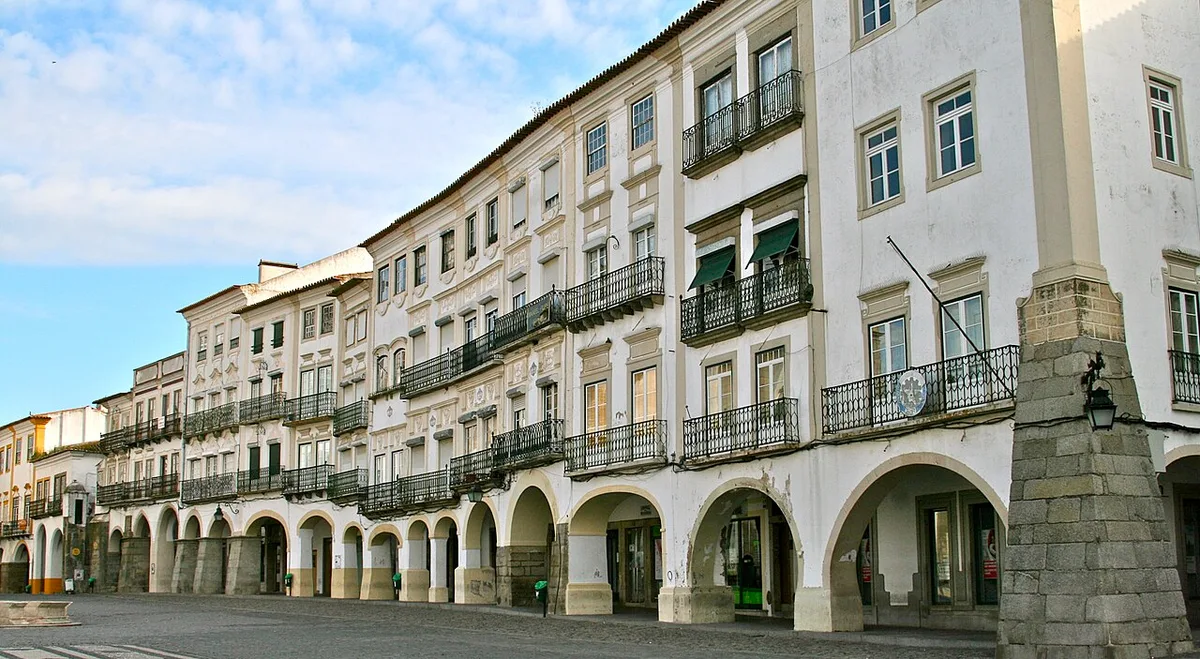
Évora is a historic inland city in Portugal's Alentejo region, known for its well-preserved Roman temple and medieval walls. It is a destination for travelers interested in history, architecture, and a slower pace of life. The city's character is defined by its layered past, from Roman times through the medieval period, which is visible in its monuments and layout. Évora offers a distinct alternative to Portugal's coastal cities, appealing to those who want to explore the country's cultural heartland.

Essaouira
destination

Essaouira

destination

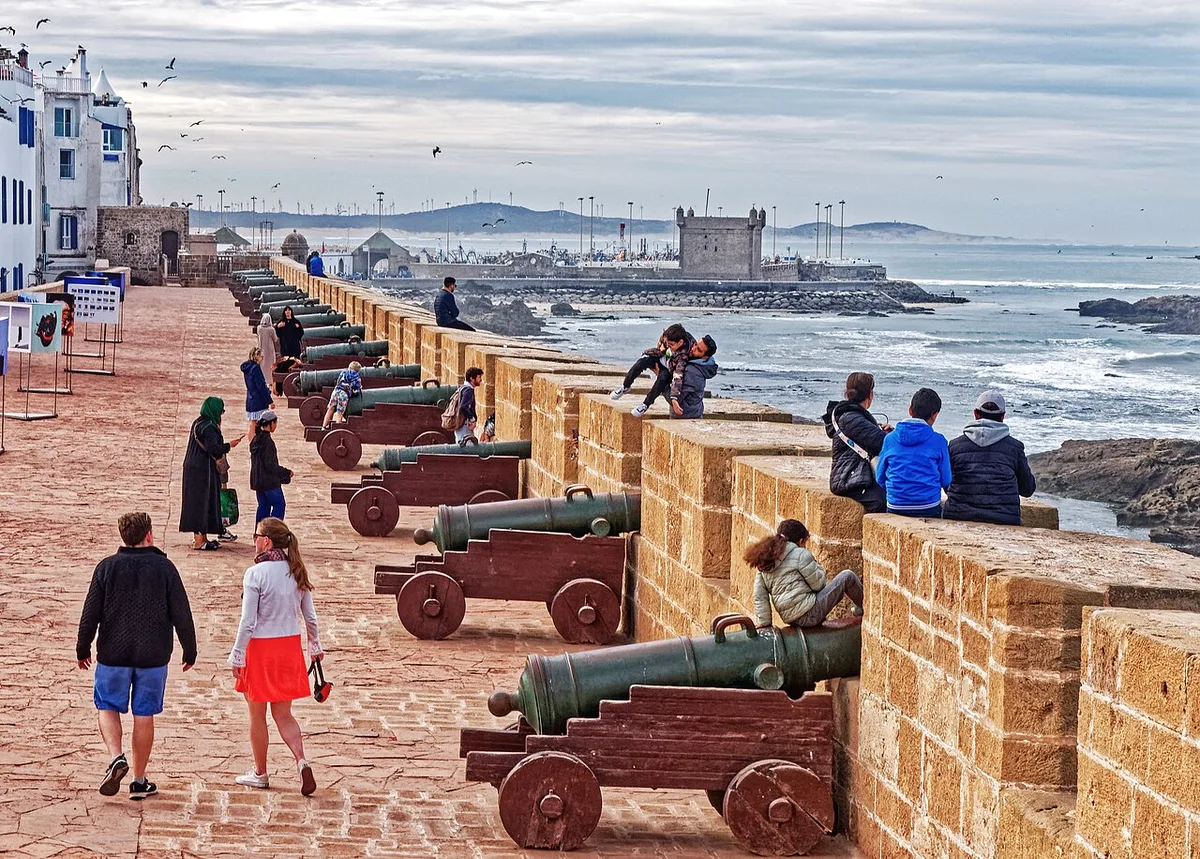
Essaouira is a port city on Morocco's Atlantic coast in the Marrakesh-Safi region, known until the 1960s as Mogador. Founded in 1769 by Sultan Mohammed III, the city was designed with the help of architects including Théodore Cornut and Ahmed al-Inglizi to serve foreign merchants, and it became Morocco's most important commercial port and diplomatic capital between the late 18th and first half of the 19th century. The Medina of Essaouira was designated a UNESCO World Heritage Site in 2001. The city is sheltered by the island of Mogador, making its harbor peaceful despite strong marine winds. Its distinct character comes from its Atlantic setting, historic ramparts, and multicultural heritage shaped by Portuguese, French, and Moroccan influences.

Dar es Salaam
destination

Dar es Salaam

destination

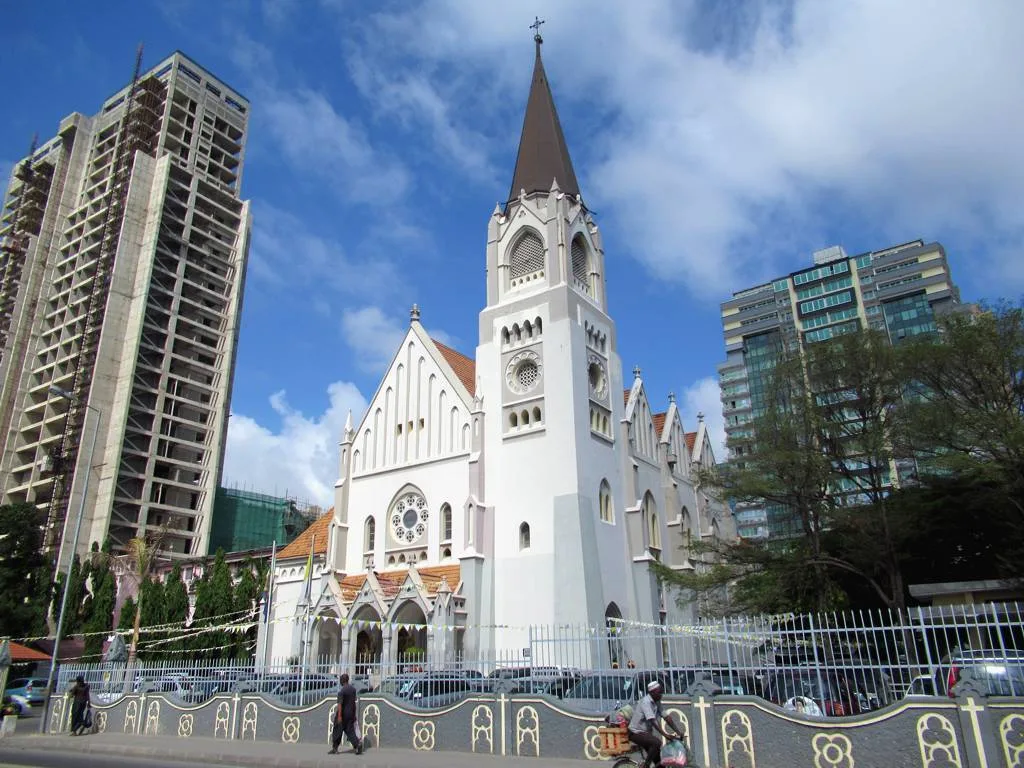
Dar es Salaam is Tanzania's largest city and financial hub, located on the Swahili coast of East Africa. Founded in the mid-19th century, it served as the main administrative and commercial centre of German East Africa, Tanganyika, and Tanzania. The city is known as the 'Abode of Peace' (from Arabic) and is Tanzania's most prominent city for arts, fashion, media, film, television, and finance. It sits on a natural harbour with sandy beaches in some areas and is one of the fastest-growing cities in the world, with a population of over 7 million people.

Addu City
destination

Addu City

destination

Addu City is the second-largest urban area in the Maldives and one of only two places in the country with city status besides the capital, Malé. It comprises the inhabited islands of Addu Atoll, the southernmost atoll of the archipelago, with six districts: Hithadhoo, Maradhoo-Feydhoo, Maradhoo, Feydhoo, Meedhoo, and Hulhudhoo. These divisions are naturally islands but are well connected. The city covers 15 square kilometers, with a population of 35,359 as of 2024. Addu is one of the oldest inhabited atolls in the country, with traces of settlement on Meedhoo dating back to 2000 BC. During World War II, the Royal Navy established a secret naval base on Gan island, later known as RAF Gan, which operated until 1971. Travelers seeking an alternative to the resort-centric image of the Maldives will find a destination with genuine local character, historical depth, and a more grounded sense of everyday Maldivian life.

Abu Dhabi
destination

Abu Dhabi

destination

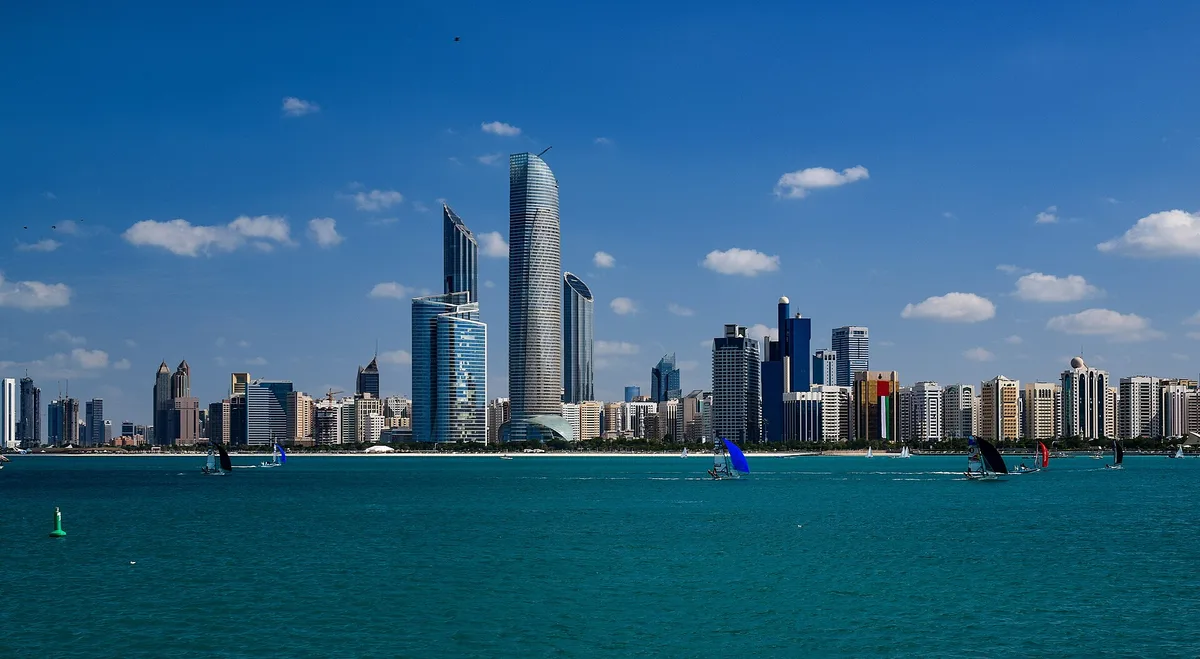
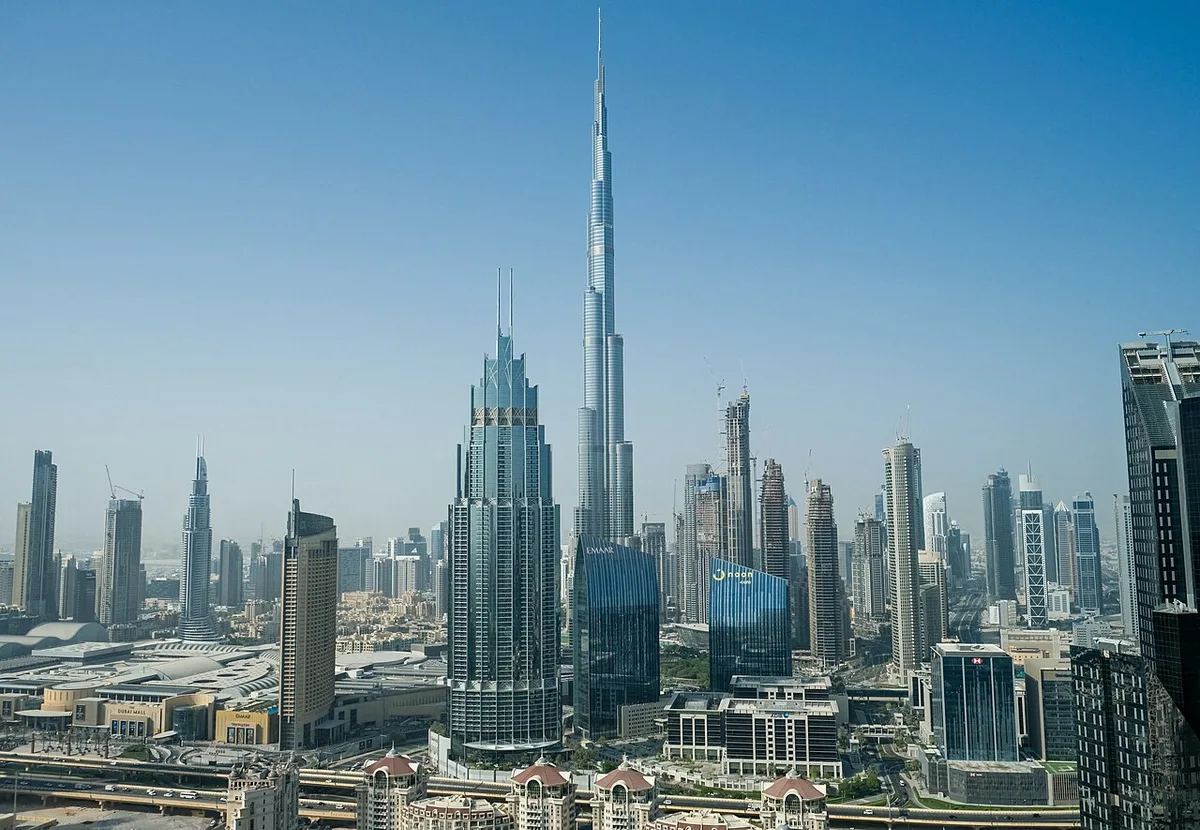
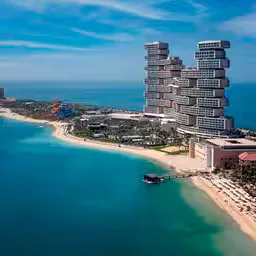
Abu Dhabi is the capital city of the United Arab Emirates, situated on a T-shaped island extending into the Persian Gulf from the central-western coast. As the UAE's second-most populous city after Dubai, it serves as the seat of the federal government and the Emirate of Abu Dhabi. The city is a major centre of politics, industry, culture, and commerce, with a rapid development history tied to substantial oil and gas reserves. It is home to landmarks such as the Sheikh Zayed Grand Mosque, Louvre Abu Dhabi, and Ferrari World, and hosts the Abu Dhabi Investment Authority, one of the world's largest sovereign wealth funds.

Aarhus
destination

Aarhus

destination

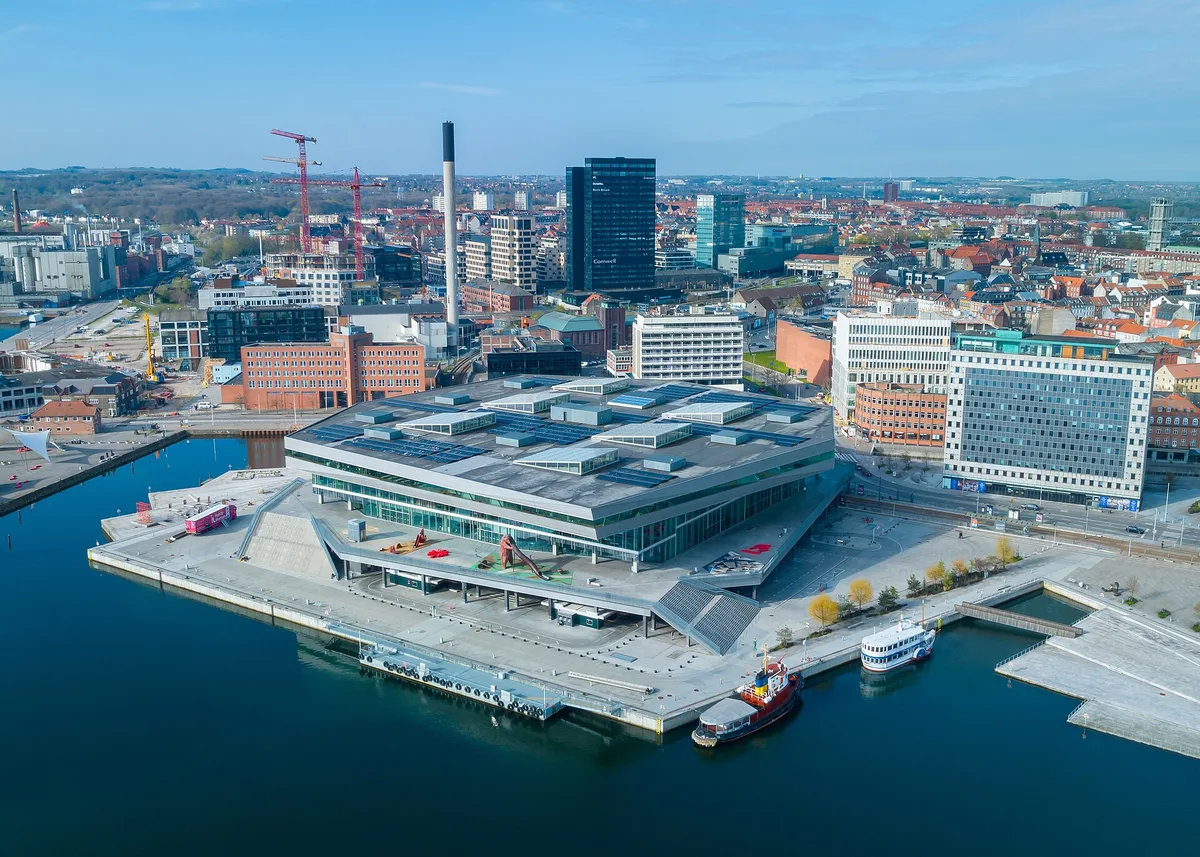
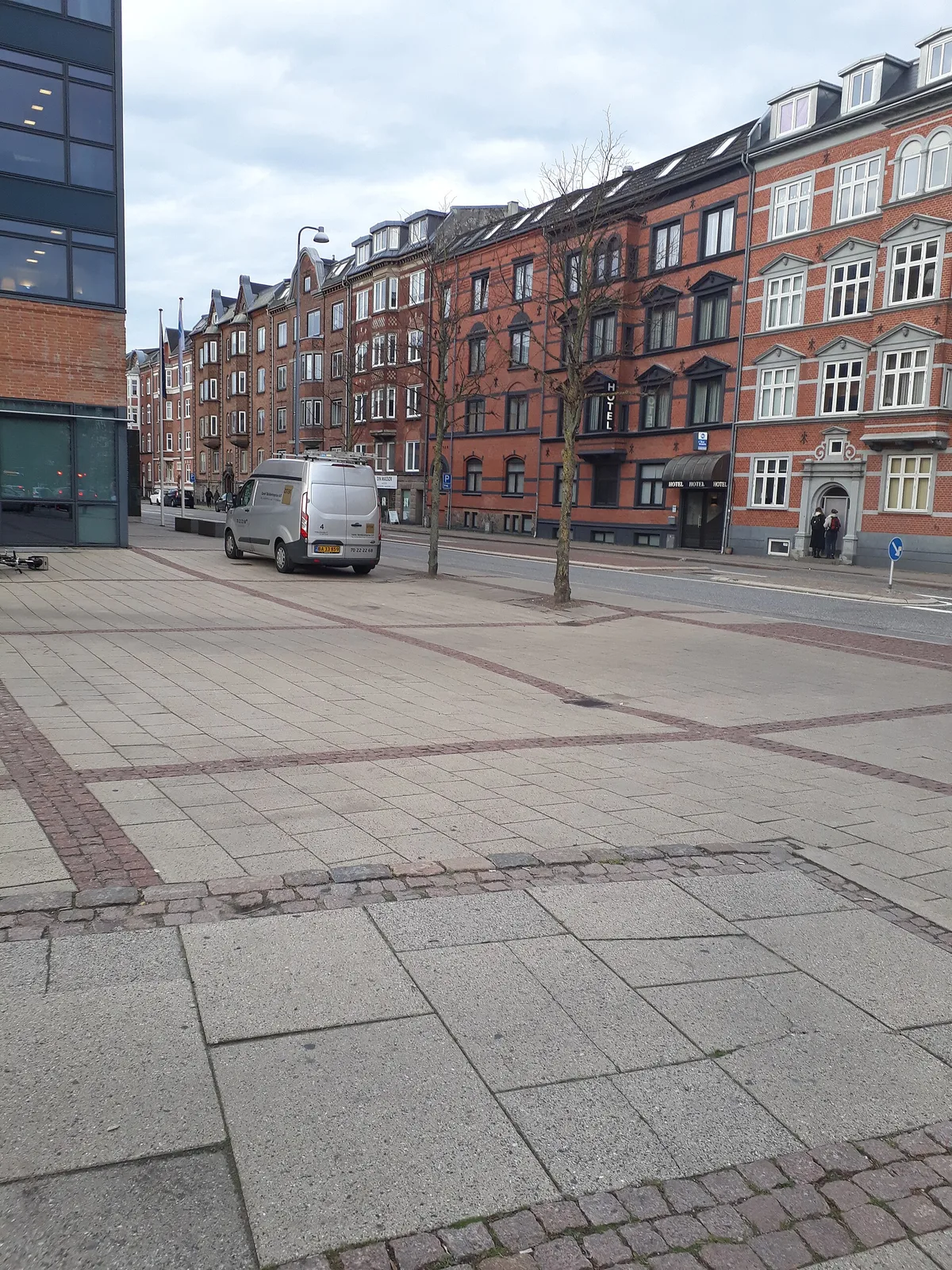
Aarhus is Denmark's second-largest city, located on the eastern shore of Jutland along the Kattegat sea, roughly 187 km northwest of Copenhagen. Known as the 'City of Smiles' (Smilets By), it is a university city with the youngest demographics in Denmark and home to Scandinavia's largest university, Aarhus University. The city blends its Viking-era heritage with a vibrant cultural scene, featuring major institutions like the open-air museum Den Gamle By, the ARoS Aarhus Kunstmuseum art museum, the Moesgård Museum, and the gender museum KØN. Its historic landmarks include Aarhus Cathedral, the longest in Denmark at 93 meters, and the Church of Our Lady, originally built in 1060 as the oldest stone church in Scandinavia. Commercially, it serves as the country's principal container port and hosts headquarters of major Danish companies such as Vestas, Arla Foods, Salling Group, and Jysk.

Aalborg
destination

Aalborg

destination

Aalborg (also spelled Ålborg) is Denmark's fourth-largest city, located in the North Denmark Region at the narrowest point of the Limfjord. Known locally as 'Double A' or the 'Paris of the North,' it blends a medieval core of half-timbered merchant mansions with a modern, knowledge-based identity anchored by Aalborg University. The city is a cultural hub with theatres, a symphony orchestra, opera company, and museums including the Aalborg Historical Museum and the Aalborg Museum of Modern Art. Its position on the Limfjord made it an important harbour in the Middle Ages and later a major industrial centre, with historic ties to grain, cement, and liquor exports. Today it is a city in transition from a working-class industrial past to a knowledge-based community, home to companies such as Siemens Gamesa Renewable Energy, Alfa Laval, and Aalborg Portland.

Mardin
destination

Mardin

destination

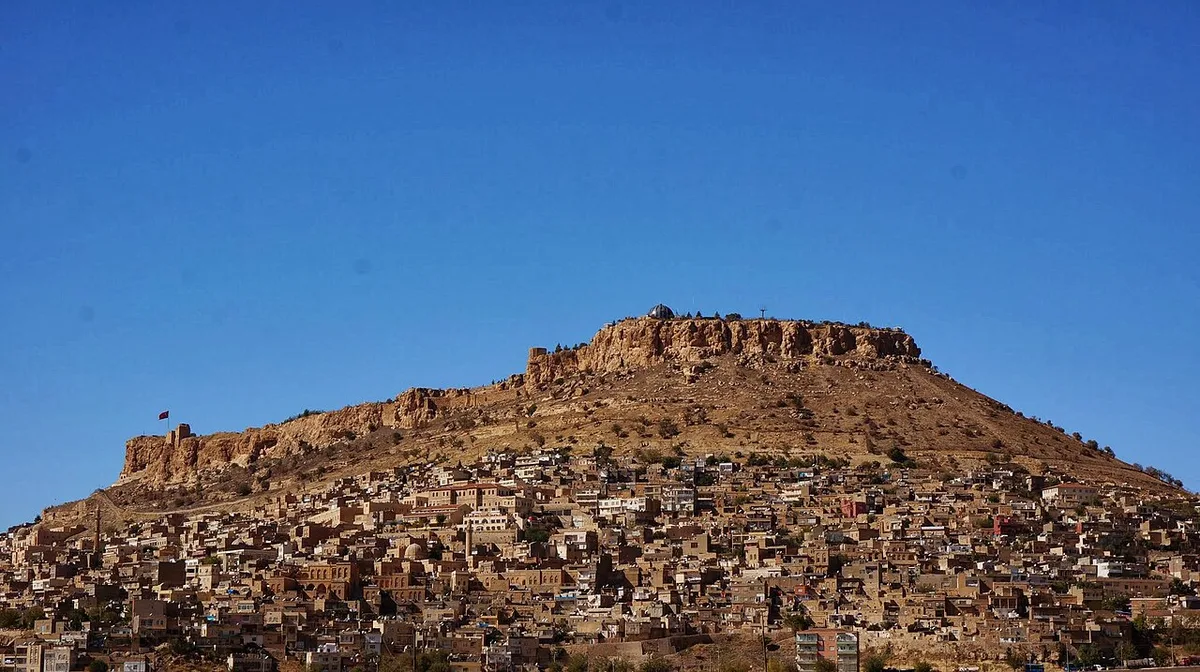
Mardin is a historic city in southeastern Turkey, known for its distinctive Artuqid architecture and its strategic position on a rocky hill overlooking the Mesopotamian plain. The old city is built on the southern slope of a long hill topped by a rocky ridge, with the historic citadel at the top. The city has a mixed population of Kurds, Arabs, Mhallami, and Assyrians, and its history spans from the Neo-Assyrian period through the Artuqid dynasty, Ottoman rule, and into the modern Turkish Republic. Mardin was placed on Turkey's Tentative List for UNESCO World Heritage nomination in February 2000.

Manila, Philippines
destination

Manila, Philippines

destination

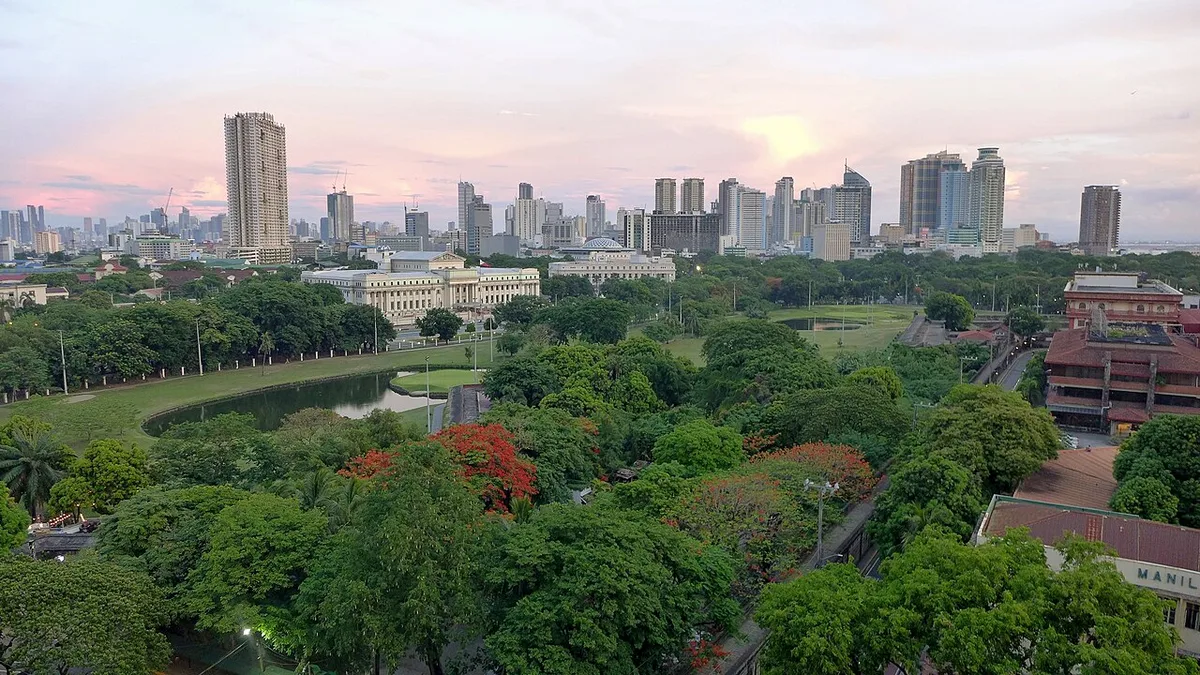
Manila is the capital of the Philippines and the gateway through which most of the country's international visitors arrive. In practice, 'Manila' means Metro Manila, sixteen cities stitched into one megacity of around 13 million people, of which the City of Manila proper (Intramuros, Binondo, Rizal Park) is just one piece. It is a bustling metropolis filled with commercial business districts, diverse neighborhoods, and historical sites. Manila is not a postcard city; it's a texture city. You come for the layers: a Spanish fortress where the national hero spent his last night, a Chinatown that's been frying lumpia since 1594, brutalist landmarks from the Marcos era, a basement-level speakeasy scene, and a food culture that the Michelin Guide finally got around to certifying in 2026. It is still loud, still traffic-choked, still chaotic, but it is also the most misread city in Southeast Asia. With 48 well-planned hours instead of a resentful layover, it will repay you with better food, stranger history, and warmer people than almost any stop on your itinerary.

Malmö
destination

Malmö

destination

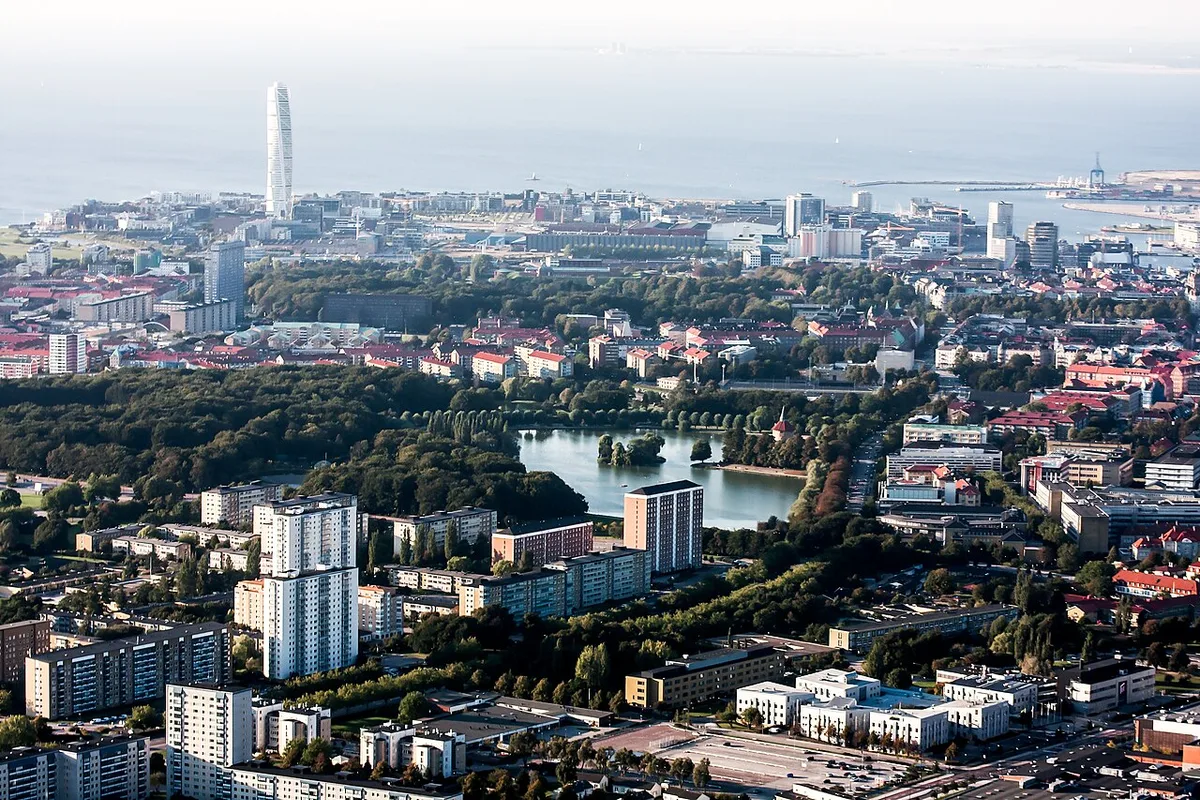
Malmö is Sweden's third-largest city, located on the Öresund strait in the southwestern part of the country. It is the largest city in the historical province of Scania and serves as the seat of Skåne County. The city received its city privileges in 1353 and has a municipal population of 368,135 as of 2025. Malmö is known for its historic buildings, parks, and as a commercial center for western Scania. It is also home to Malmö University and several higher education facilities. The city has undergone significant transformation in the 21st century, with many small and medium-sized companies in biotech, logistics, IT, construction, and real estate markets. Malmö is the site of Sweden's only fixed direct link to continental Europe, the Öresund Bridge, completed in 2000, which connects Sweden to Denmark and carries both road and rail traffic.

Malé
destination

Malé

destination

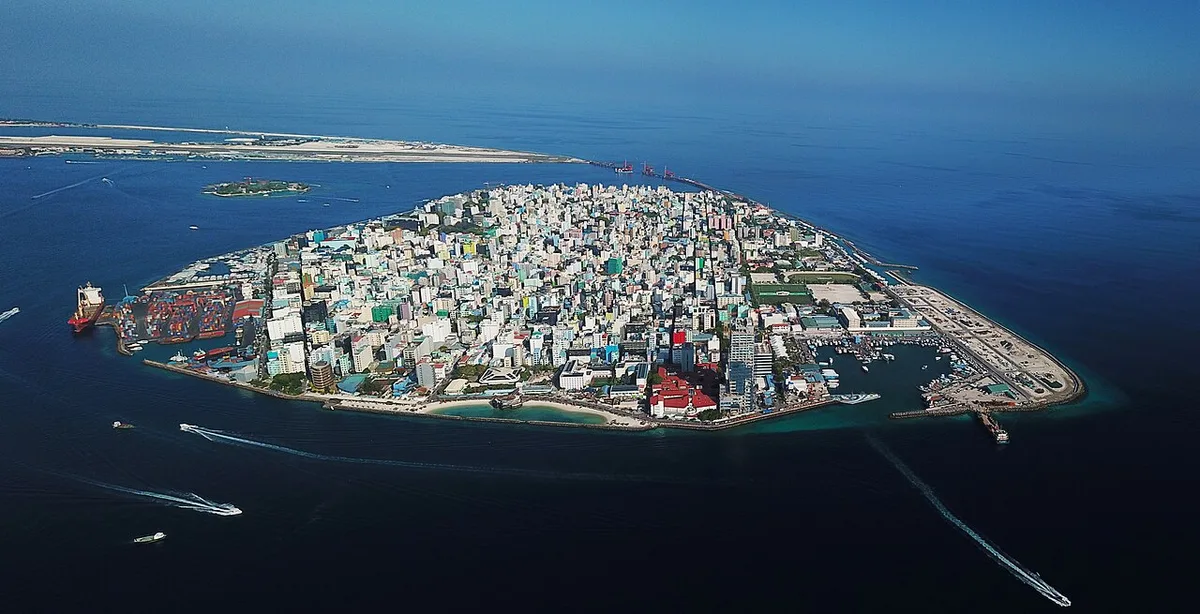
Malé is the capital and most populous city of the Maldives, located on the southern edge of North Malé Atoll (Kaafu Atoll). With a 2022 population of 211,908 within an administrative area of 8.30 square kilometres, it ranks among the most densely populated cities in the world. The city comprises a central island plus six others: Hulhulé, Hulhumalé, Villimalé, Gulhifalhu, Thilafushi, and Giraavarufalhu, administered by the Malé City Council. The central island is heavily urbanised, with built-up areas covering essentially its entire landmass. A commercial harbour on the central island serves as the heart of the country's commercial activities, while Velana International Airport is located on Hulhulé. Historically, Malé was the King's Island, where ancient royal dynasties ruled and the palace stood; it was formerly a walled city with fortifications and gates. Islam has shaped the city's identity since 1153 CE, visible in landmarks such as the 17th-century Hukuru Miskiy (Friday Mosque), built from coral stone and among the oldest mosques in the country. The Royal Palace (Gan'duvaru) and forts were destroyed during remodelling after the monarchy was abolished in 1968, but the Friday Mosque and the National Museum building remain. The island has been considerably expanded through land reclamation in recent decades.

Alexandria
destination

Alexandria

destination

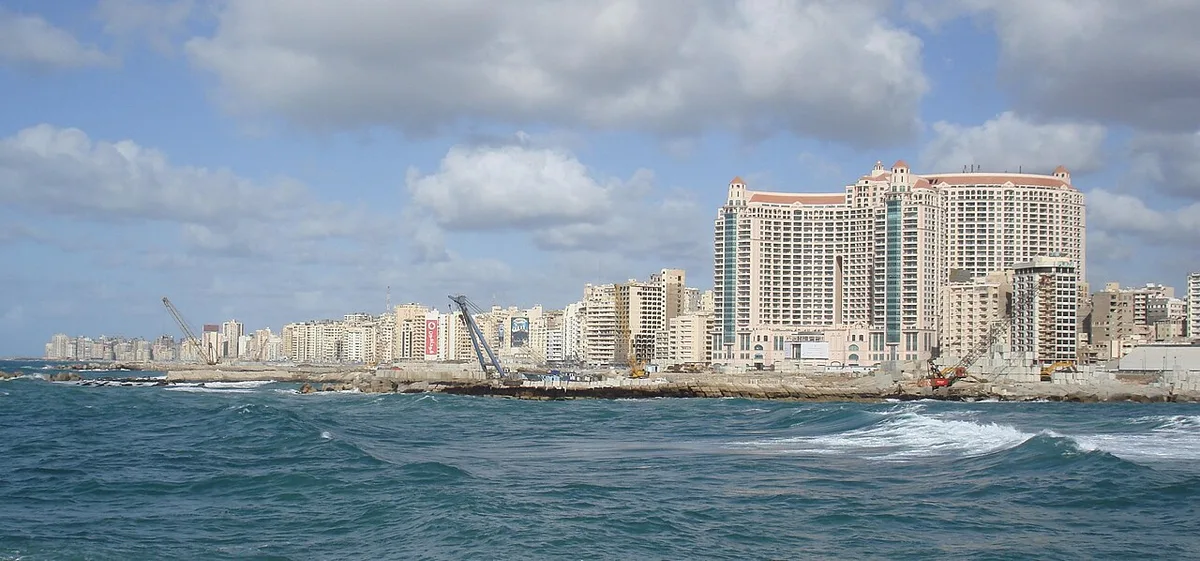
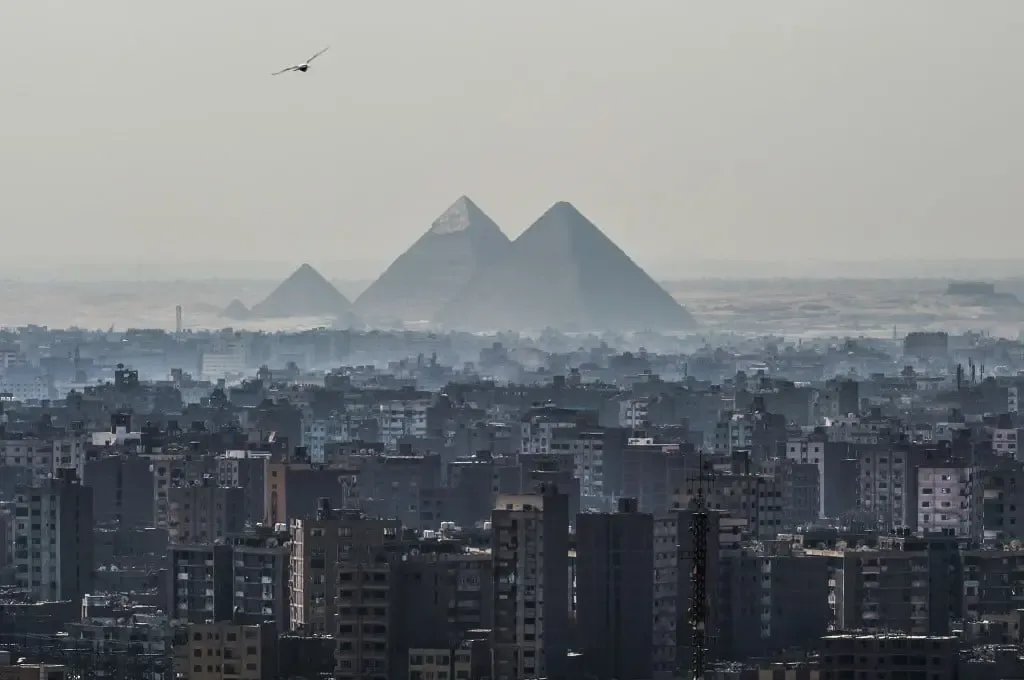
Alexandria is Egypt's second-largest city and its principal seaport, stretching along the Mediterranean coast at the western edge of the Nile Delta. Founded in 331 BC by Alexander the Great, it was once the capital of Greco-Roman Egypt and a leading center of science, culture, and scholarship, home to the legendary Lighthouse of Alexandria and the Great Library. Today, it remains a major industrial and financial hub, nicknamed the 'Bride of the Mediterranean' and 'Pearl of the Mediterranean Coast.' Travelers can explore landmarks like the Bibliotheca Alexandrina, the Citadel of Qaitbay, and the Catacombs of Kom El Shoqafa, while experiencing a city that blends ancient history with a modern, bustling port atmosphere. The city hosts cultural events such as the annual Alexandria Mediterranean Film Festival and offers a mix of historical depth, coastal charm, and urban energy, though some areas show signs of wear and require maintenance.

Ålesund
destination

Ålesund

destination

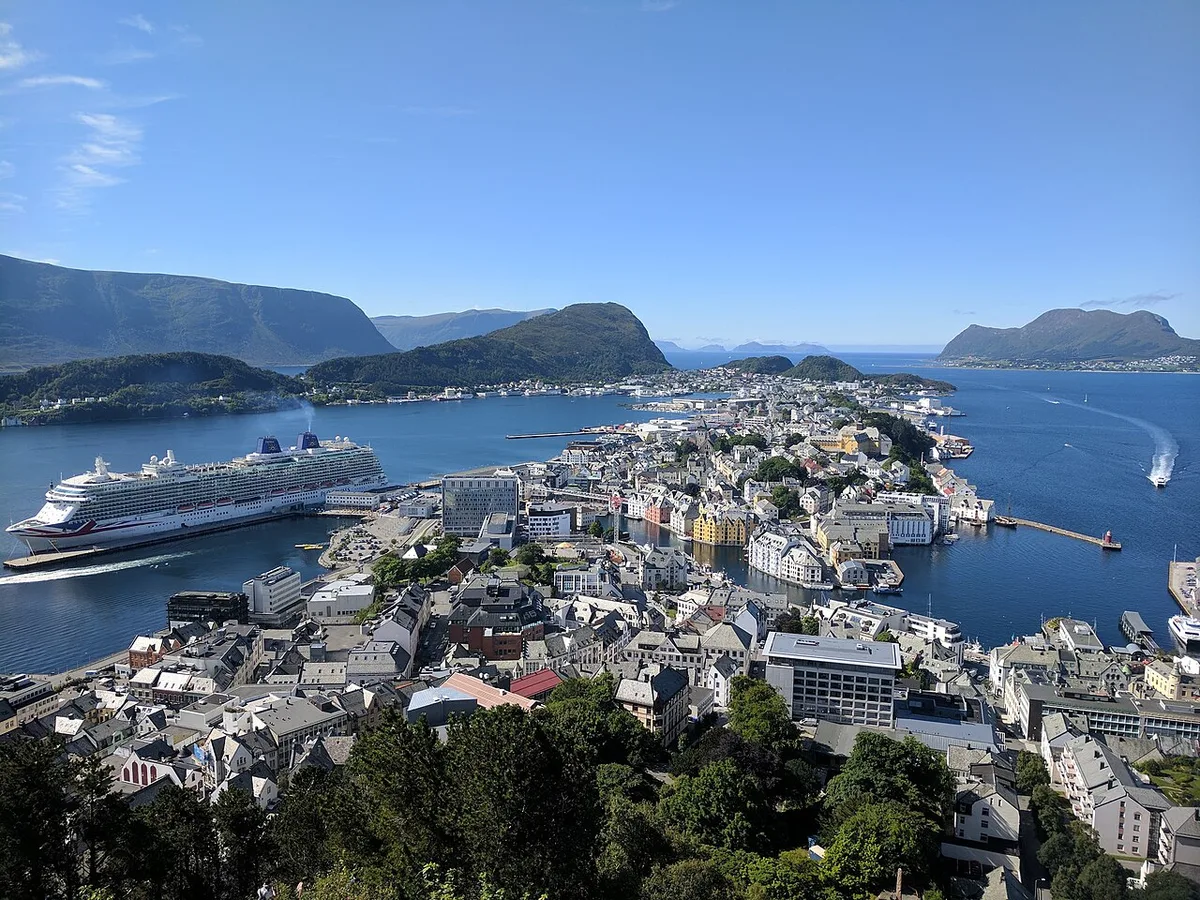
Ålesund is a town in Møre og Romsdal county, Norway, and the administrative centre of Ålesund Municipality. The town centre lies on the islands of Hessa, Aspøya, and Nørve, with newer developments on Uksenøya and parts of the urban area extending onto the island of Sula in neighbouring Sula Municipality. Ålesund is known for its unusually consistent architecture, with most buildings constructed between 1904 and 1907 in the Jugendstil (Art Nouveau) style after a devastating fire in 1904. The town is the main headquarters for the Norwegian Coastal Administration and hosts the Norwegian Centre of Art Nouveau Architecture, Jugendstilsenteret. It is also home to a sub-division of the Norwegian University of Science and Technology (NTNU).

Akureyri
destination

Akureyri

destination

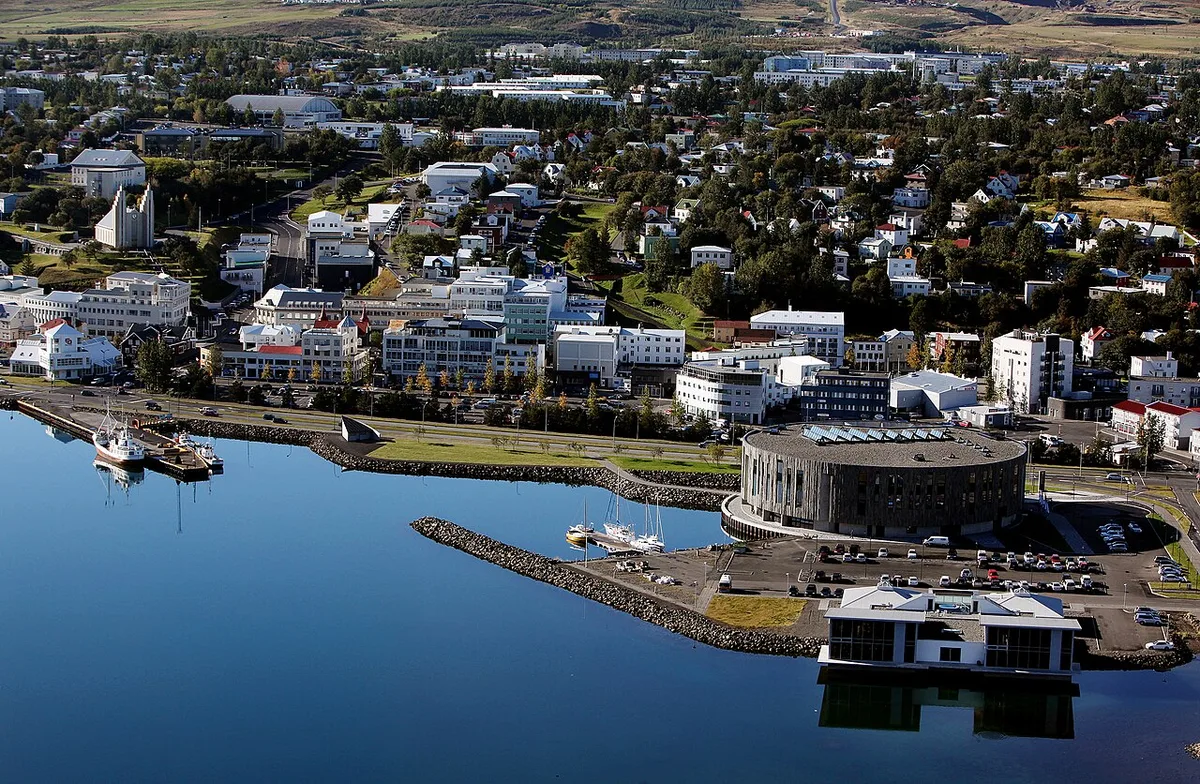
Akureyri is a town in northern Iceland, the country's fifth most populous municipality and the largest outside the Capital Region. Nicknamed the 'Capital of North Iceland,' it sits at the head of Eyjafjörður fjord, surrounded by mountains, and is an important port and fishing centre. The area was settled in the 9th century and received its municipal charter in 1786. Its relatively mild climate and ice-free harbour have shaped its history. The municipality includes the neighbourhood at the head of Eyjafjörður and two islands: Hrísey and Grímsey.

Sydney
destination

Sydney

destination

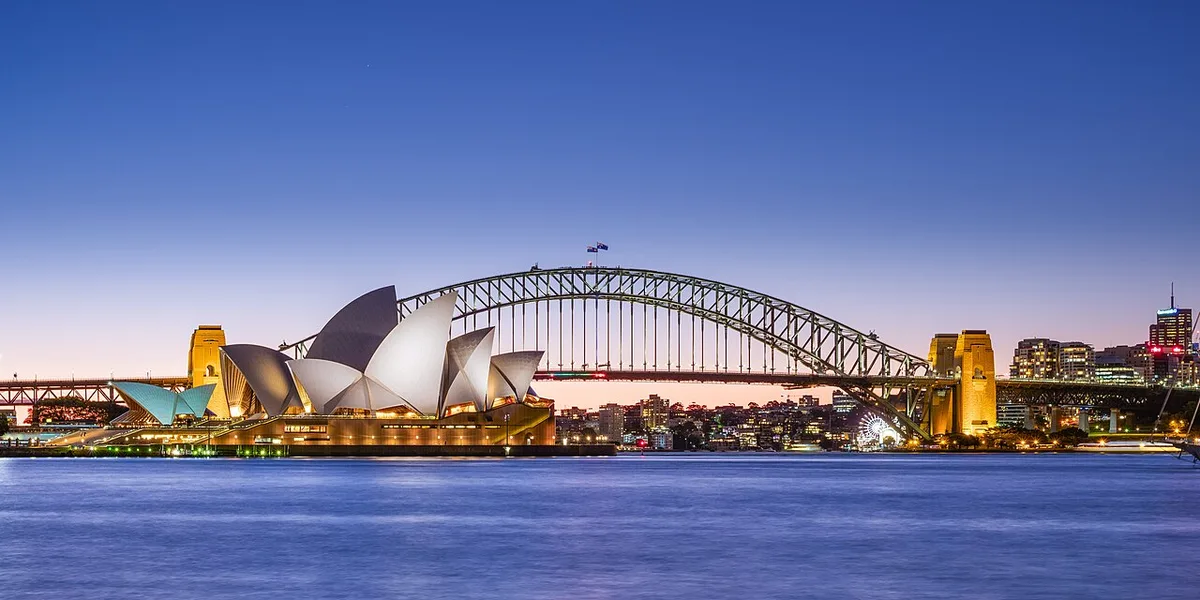
Sydney, known by its Aboriginal name Warrane, is Australia's Harbour City, defined by golden ocean beaches, world-famous architecture, and rich First Nations heritage. The city is anchored by iconic landmarks like the Sydney Opera House and Sydney Harbour Bridge, and offers a mix of urban energy and natural beauty, from the coastal walks of Bondi to the ferries crossing its natural harbour. Aboriginal culture is vibrant across the city, with the Gadigal people as the traditional custodians of central Sydney and the broader Eora Nation.

Seville
destination

Seville

destination

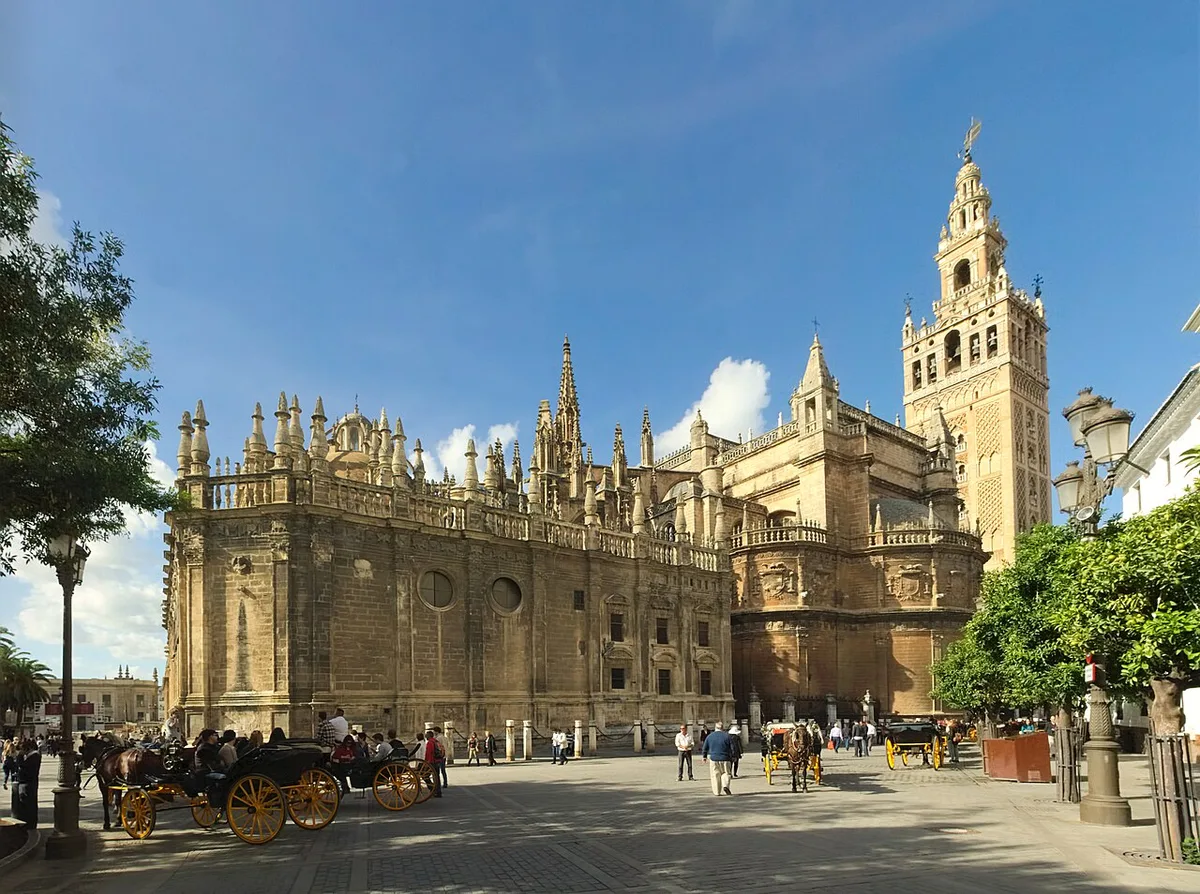
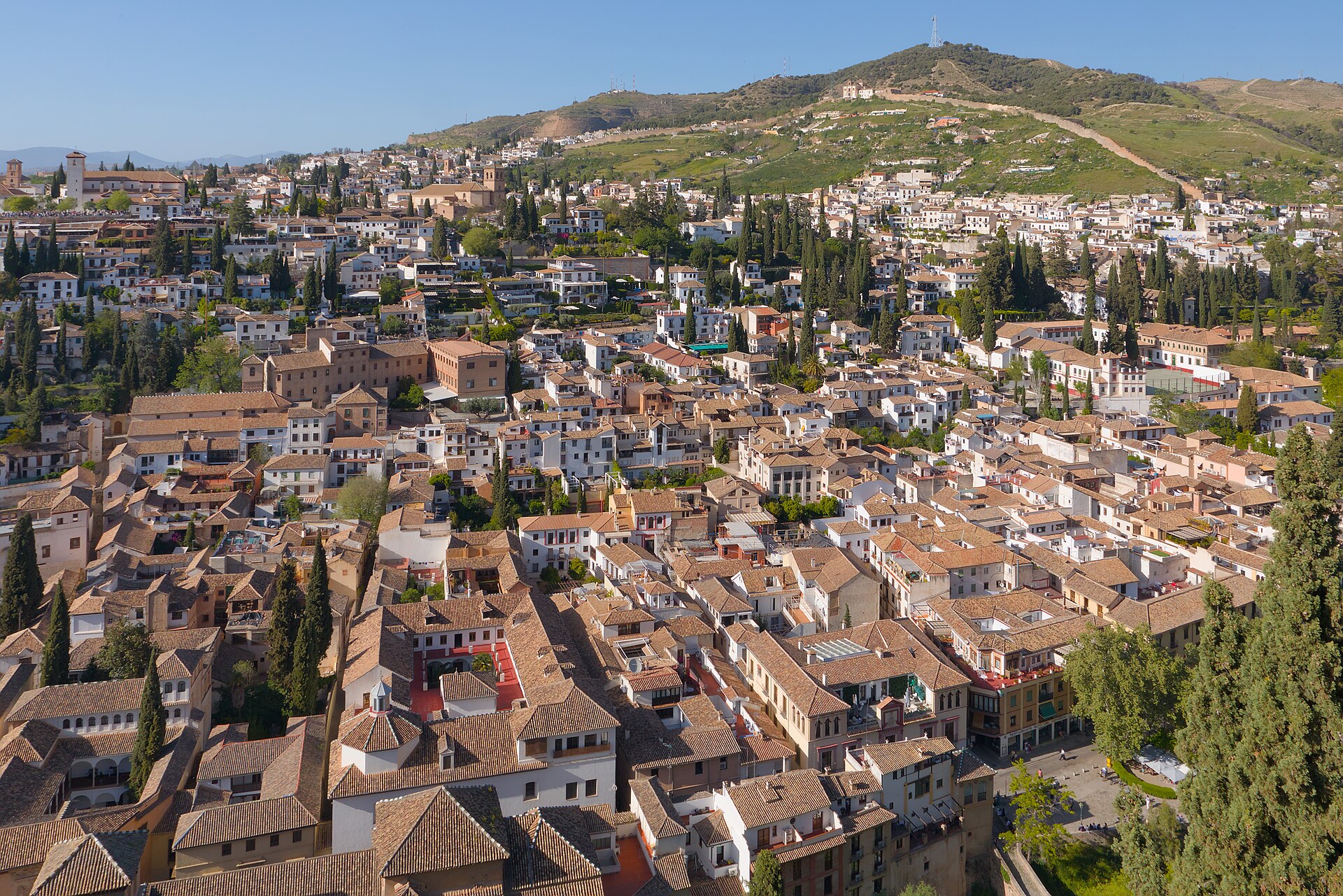
Seville stands as the vibrant heart of Andalusia, a city whose architecture and culture reflect more than two millennia of layered history. The Muslim and Christian periods have left enduring marks on its streets, palaces, and plazas, while North African influences remain visible in local traditions and building styles. Visitors encounter a relaxed daytime rhythm that shifts into lively evenings along the Guadalquivir river, with tapas and flamenco as central cultural expressions. The compact historic center rewards walking exploration, and even brief stays offer meaningful exposure to the city's distinctive heritage.

San Sebastián
destination

San Sebastián

destination

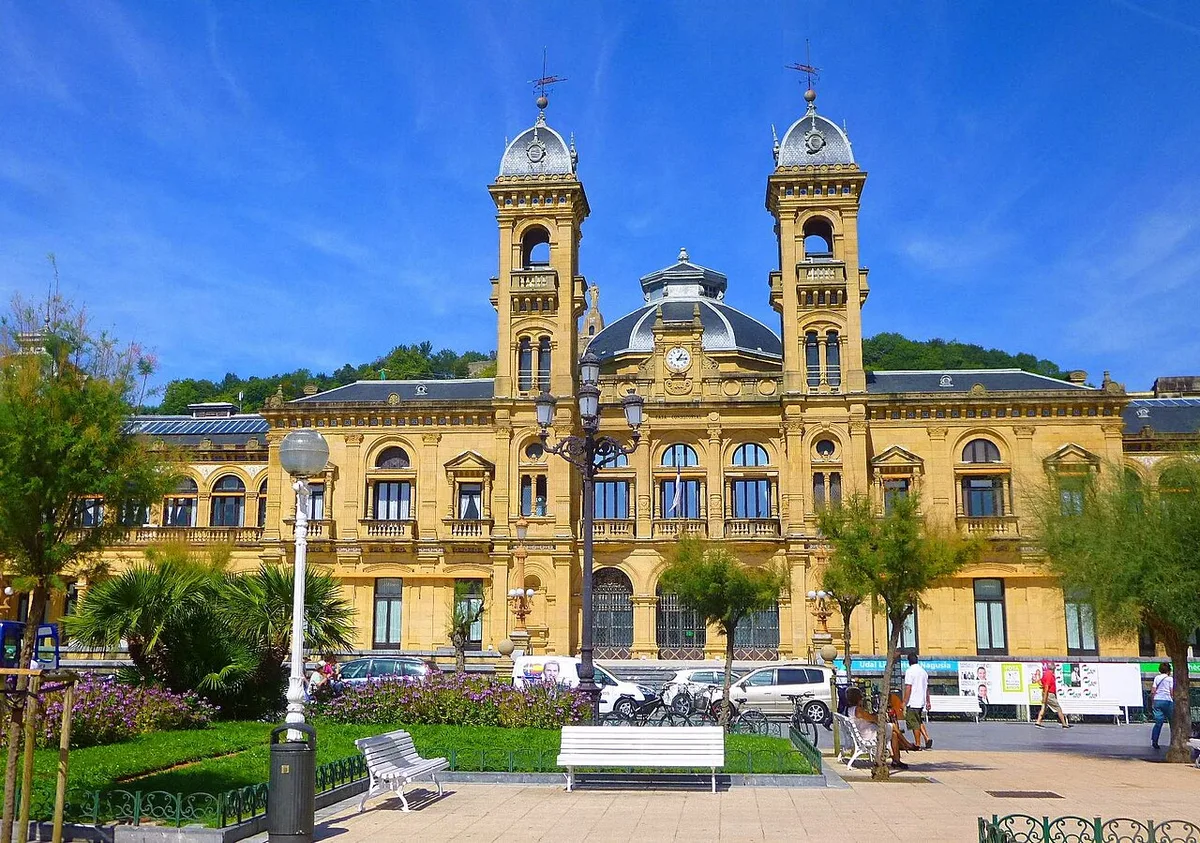
San Sebastián (Donostia in Basque) is a compact coastal city in Spain's Basque Country, set between the Cantabrian Mountains and the Atlantic. It is renowned for La Concha, a crescent-shaped urban beach regularly ranked among Europe's finest; a legendary pintxos scene with extraordinary density and quality of bars; a charming old quarter rebuilt after an 1813 fire; and striking public art including Eduardo Chillida's Peine del Viento sculptures. The city has attracted travellers since the Spanish royal court made it a summer retreat in the 1880s, and its chefs have placed classic Basque cuisine at the forefront of world gastronomy.

Rome
destination

Rome

destination

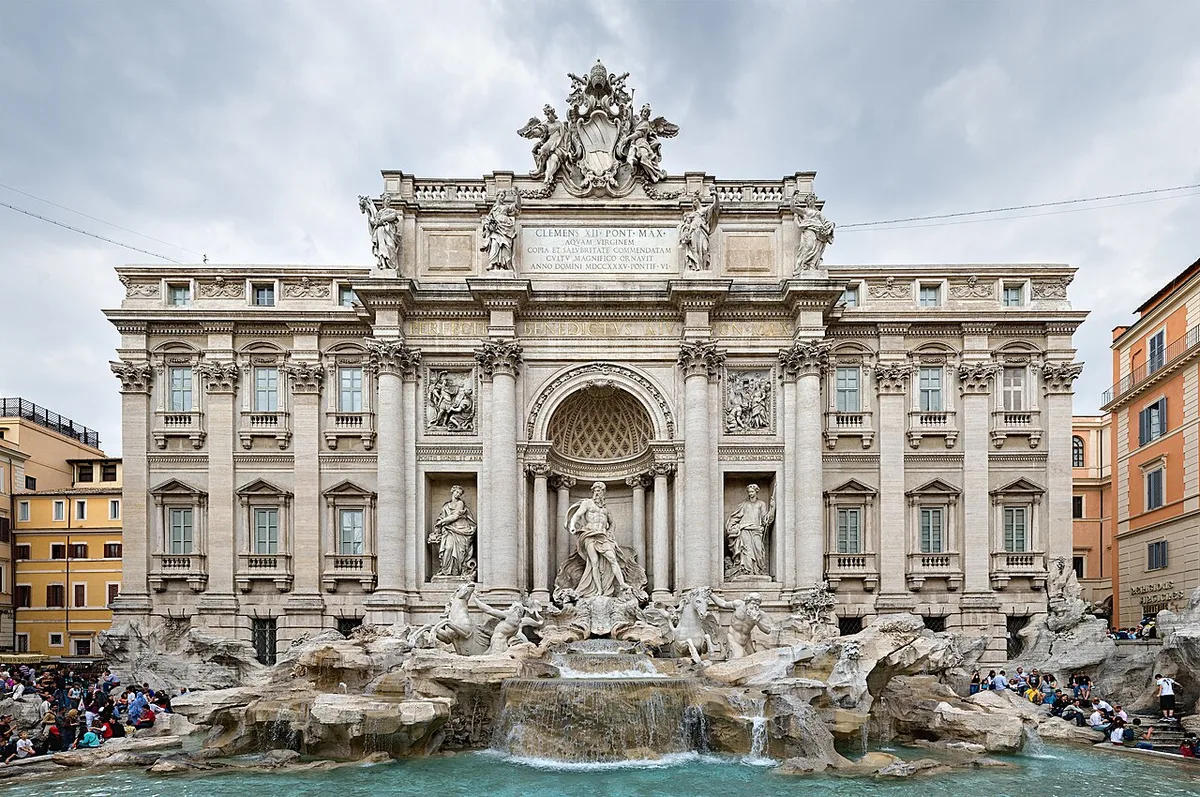
Rome is a city where ancient history and modern life intertwine, offering a journey through millennia of art, architecture, and culture. As the capital of Italy, it is a living museum with iconic landmarks like the Colosseum and the Roman Forum, alongside vibrant piazzas and world-class cuisine. The city is a classic gateway for travelers seeking to immerse themselves in the layers of Western civilization, from the Roman Empire to the Renaissance and beyond.

Madrid, Spain
destination

Madrid, Spain

destination

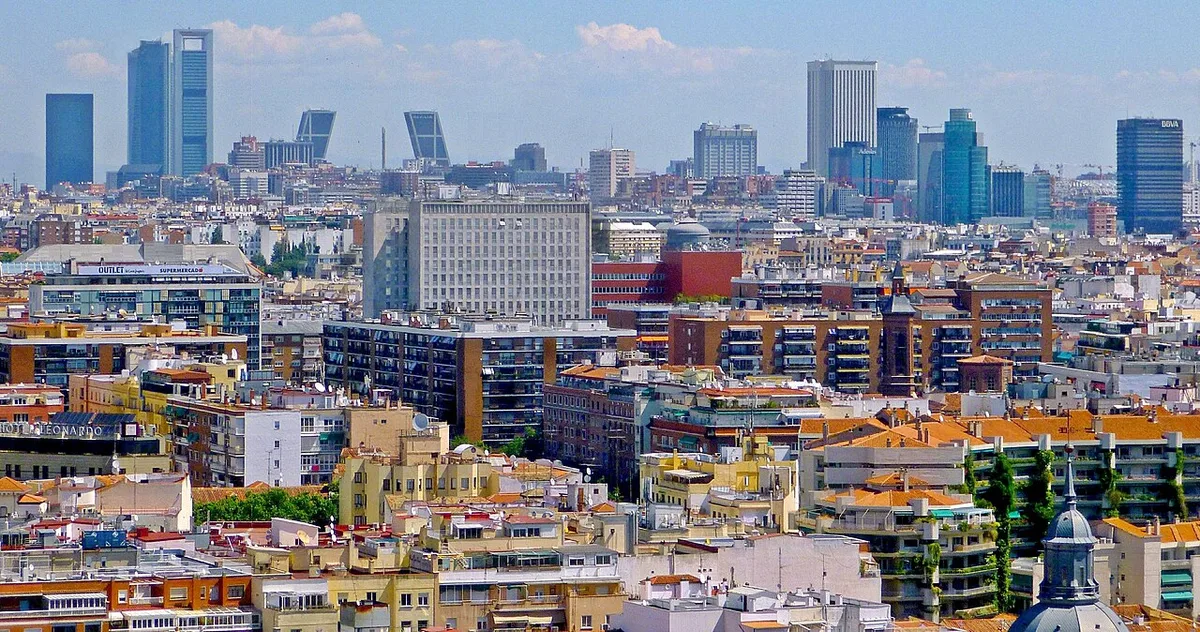
Madrid stands as a major European cultural capital, anchored by world-class art institutions, historic royal architecture, and extensive green spaces. The Prado Museum ranks among the continent's foremost art collections, while the Royal Palace counts as one of Europe's largest. El Retiro Park, recognized as a UNESCO World Heritage Site, sits alongside Casa de Campo, Spain's largest green space. The city's food culture spans century-old tapas taverns to Michelin-starred dining and rooftop cocktail bars. Madrid maintains a strong performance calendar, with the source describing it as one of Europe's busiest capitals for shows and cultural activities. Summer brings music festivals and terrace culture, though travelers should prepare for significant heat during these months. The metro and public transport network provides essential connectivity across neighborhoods and attractions.

Maastricht
destination

Maastricht

destination

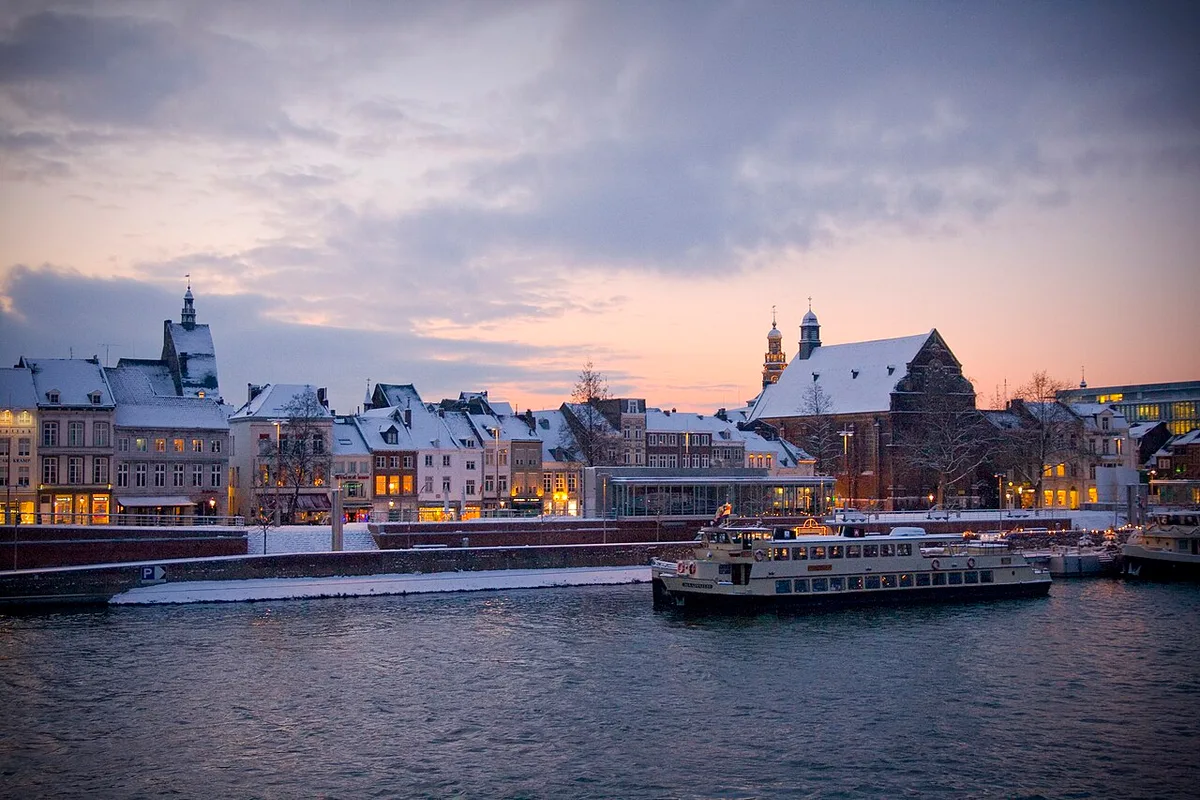
Maastricht is one of the oldest towns in the Netherlands, located on the Meuse river near the Belgian border and serving as the capital of the Limburg region. The city is known for its rich history, beautiful architecture, and vibrant culture, where past and present merge seamlessly. Visitors can explore centuries-old churches, lively squares like the Vrijthof, and a well-developed network of historical caves and tunnels. The city combines culture, creativity, and hospitality, offering something for everyone, whether you come for art, delicious food, or just to relax.

Lyon
destination

Lyon

destination

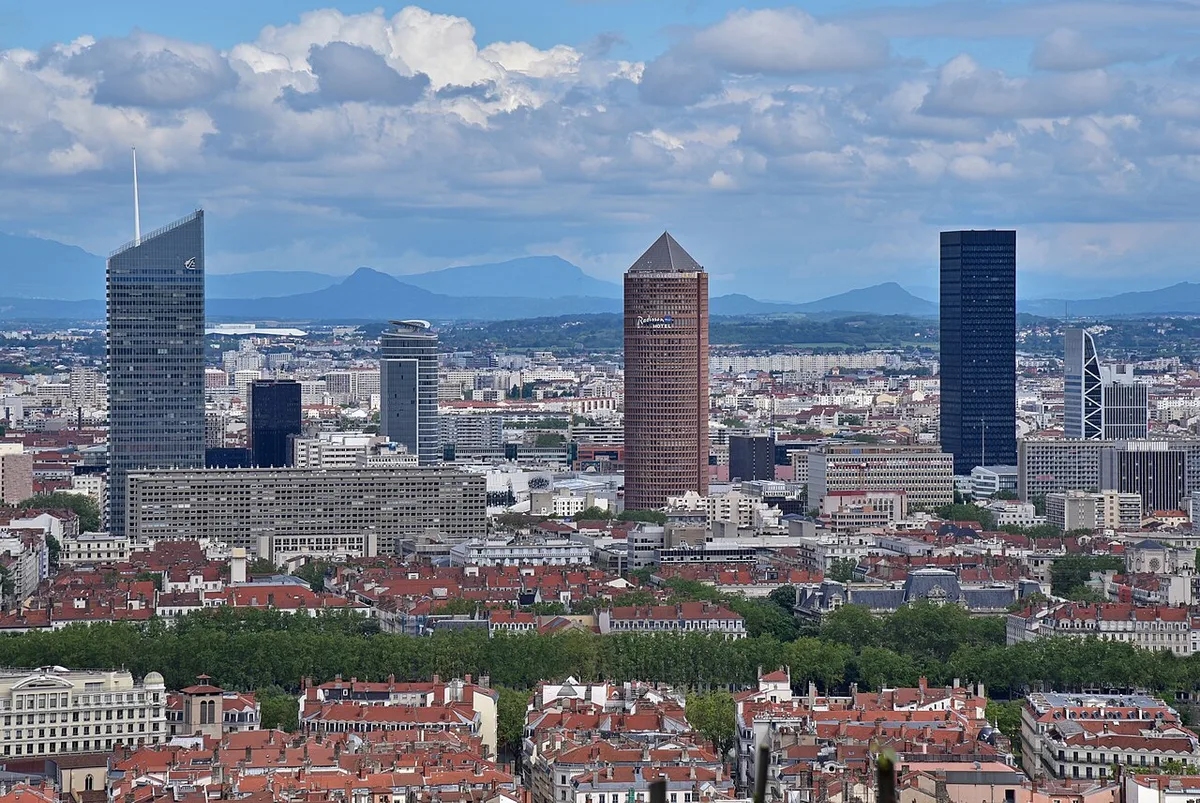
Lyon is an underestimated French city where 2,000 years of layered history meet one of Europe's most serious food cultures. Founded as a Roman settlement, the city preserves its past across distinct districts: Gallo-Roman theatres on Fourviere hill, Renaissance traboules in Vieux Lyon, the elegant Presqu'ile between the Rhone and Saone rivers, and the contemporary architecture of the Confluence district. UNESCO recognized this continuity by inscribing 500 hectares of the city on its World Heritage List. Lyon's gastronomic reputation, long associated with chef Paul Bocuse, rests on a density of restaurants that range from traditional bouchons to ambitious modern kitchens. The city also claims significance as the birthplace of cinematography through the Lumiere brothers. For travelers, Lyon offers a compact, walkable scale with strong rail connections and an international airport, making it a practical alternative or complement to Paris.

Lucerne
destination

Lucerne

destination

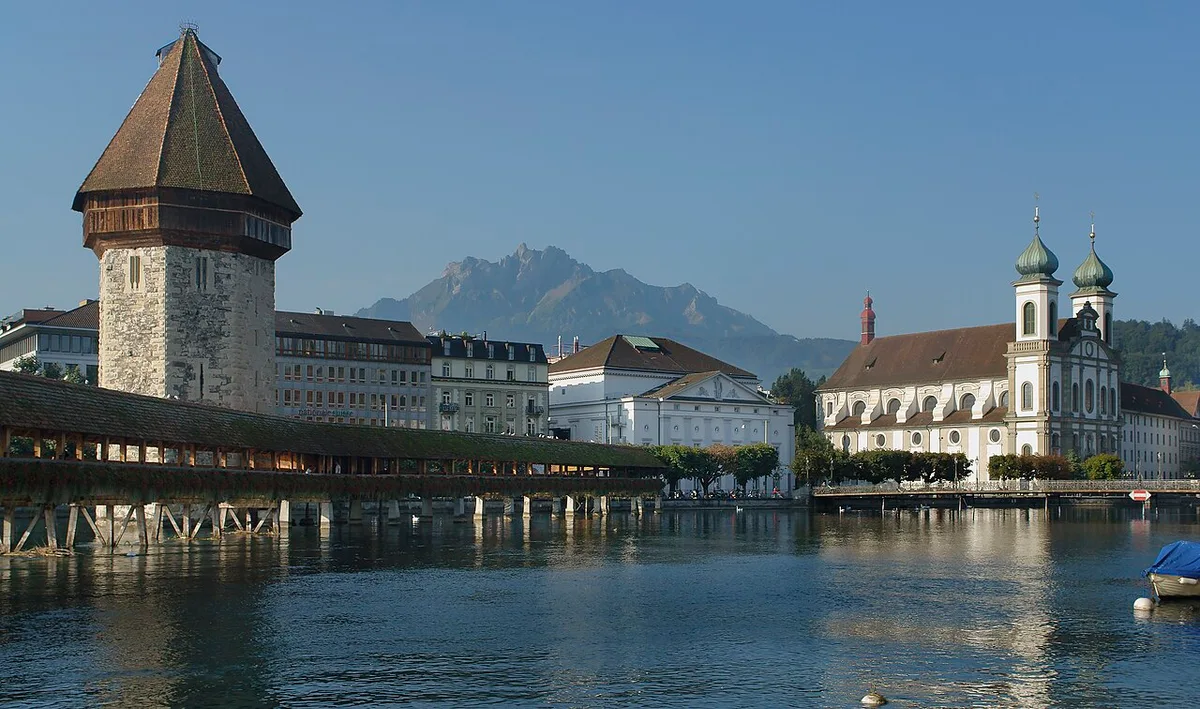
Lucerne is a city in central Switzerland, capital of the canton of Lucerne, located on the shores of Lake Lucerne (Vierwaldstättersee) and the river Reuss, within sight of Mounts Pilatus and Rigi in the Swiss Alps. It is the most populous city in Central Switzerland, with a population of approximately 82,000, and serves as a nexus of economics, transport, culture, and media in the region. The city's urban area consists of 19 municipalities with an overall population of about 220,000. Lucerne has long been a destination for tourists, owing to its lakeside location and mountain views. A key landmark is the Chapel Bridge (Kapellbrücke), a wooden bridge first erected in the 14th century. The official language is German, though the main spoken language is the local Alemannic Swiss German dialect, Lucerne German.

Kyoto
destination

Kyoto

destination

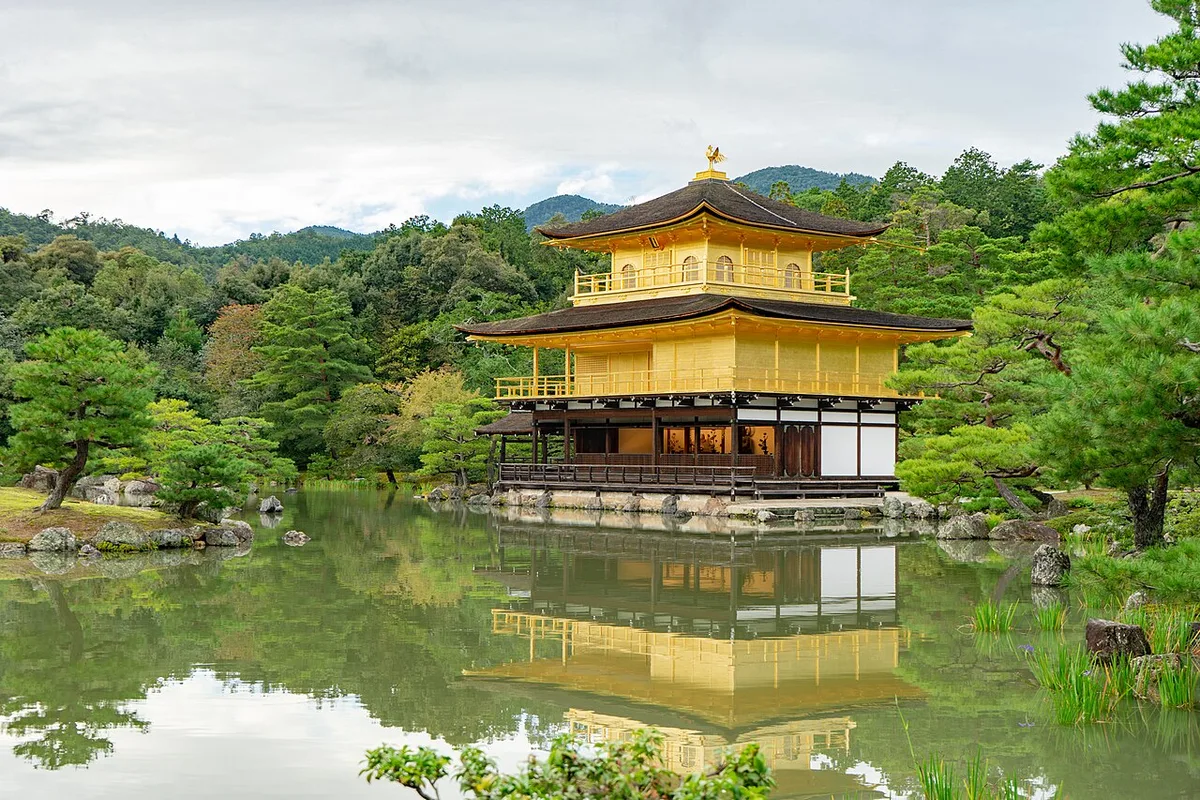
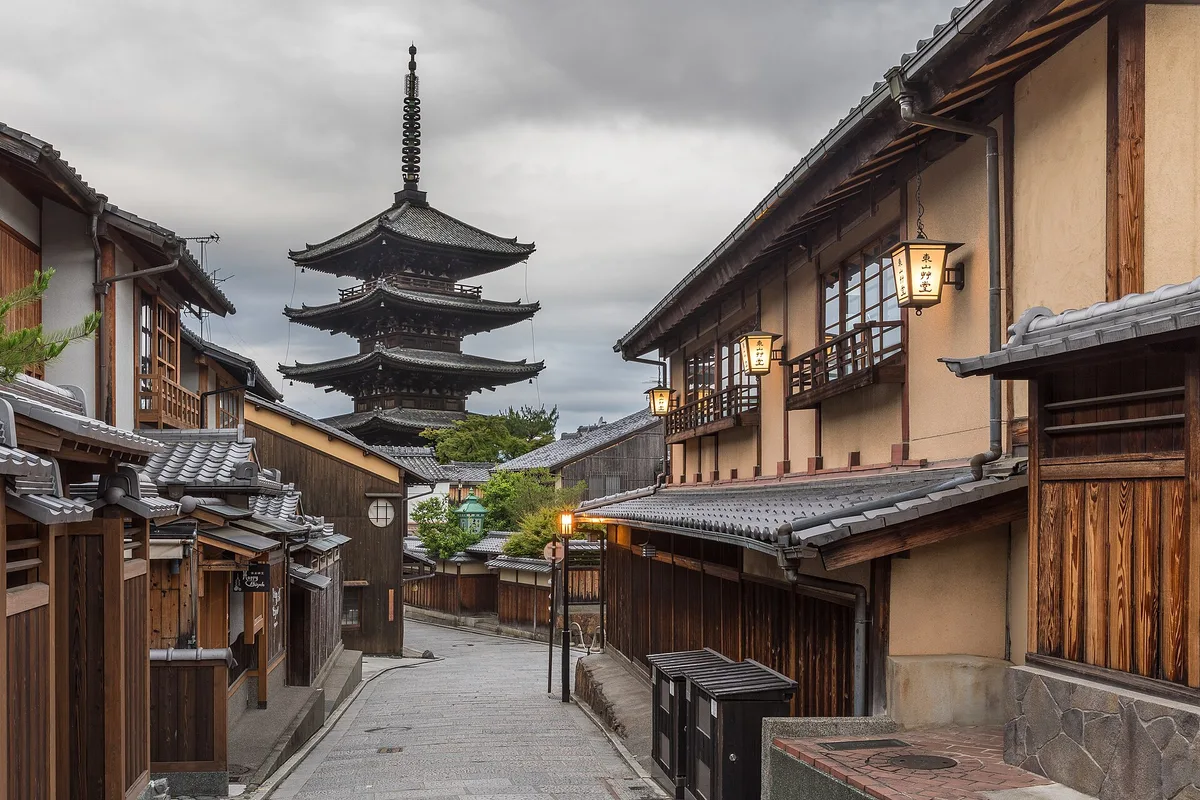
Kyoto served as Japan's imperial capital from 794 to 1869, a span of more than a millennium that shaped its identity as the country's cultural heart. The city is home to 17 UNESCO World Heritage Sites and is known for its profound serenity, timeless allure, and living traditions. Its emphasis on cleanliness, simplicity, and beauty stems from practices integrated into daily life and displayed in Kyoto-style hospitality. Beyond world-famous landmarks, visitors can explore lesser-known areas including the Keihoku, Takao, Ohara, Nishikyo, Yamashina, and Fushimi districts, each with distinct character. Kyoto's food scene reflects deep culinary traditions, from obanzai home-style dishes using local ingredients to seasonal wagashi sweets, Kyoto yasai vegetables, and long-established pickle shops. The city experiences four distinct seasons, each bringing different festivals and scenery.

Krems an der Donau
destination

Krems an der Donau

destination

Krems an der Donau is a riverside town in the Danube's Wachau Valley tourist region of Lower Austria. It is known for its world-class wine production, historic town centers, and proximity to the Danube. The city is an underestimated historic destination, offering a blend of medieval architecture, cultural institutions, and outdoor activities along the river and through vineyards.

Kanazawa
destination

Kanazawa

destination

Kanazawa is a compact, walkable city on Japan's northern coast that offers traditional Japanese culture without the heavy crowds found in better-known destinations. It flourished as a castle town under the Maeda clan, and its Edo-period townscapes, samurai and geisha districts, and traditional crafts still define the city today. Visitors can explore preserved historic neighborhoods, the famous Kenrokuen Garden, and a lively seafood market, all within a relaxed, culture-first atmosphere. It is a strategic stop for travelers connecting Tokyo, Kyoto, and the Japanese Alps, and it works well as a base for day trips to Shirakawa-go and the Noto Peninsula.

İzmir
destination

İzmir

destination

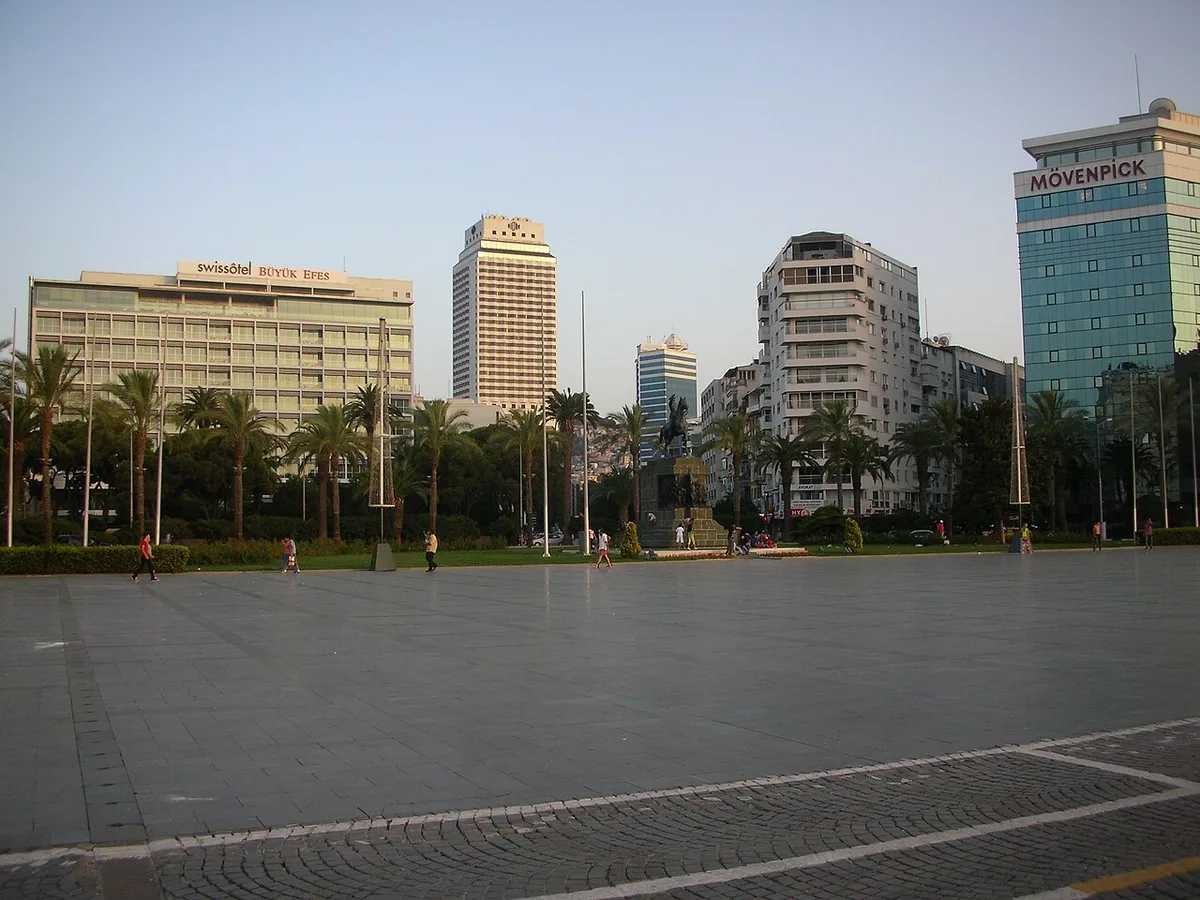
İzmir, on Turkey's western Aegean coast, blends modern life with seaside ease. Known for palm-lined promenades, open-air cafés, and a welcoming atmosphere, it offers a refreshing alternative to Istanbul's intensity, vibrant yet laid-back, with a cosmopolitan feel shaped by centuries of trade and culture. The city is also an excellent base for exploring nearby treasures like Ephesus, Çeşme, and Alaçatı.

Hanoi
destination

Hanoi

destination

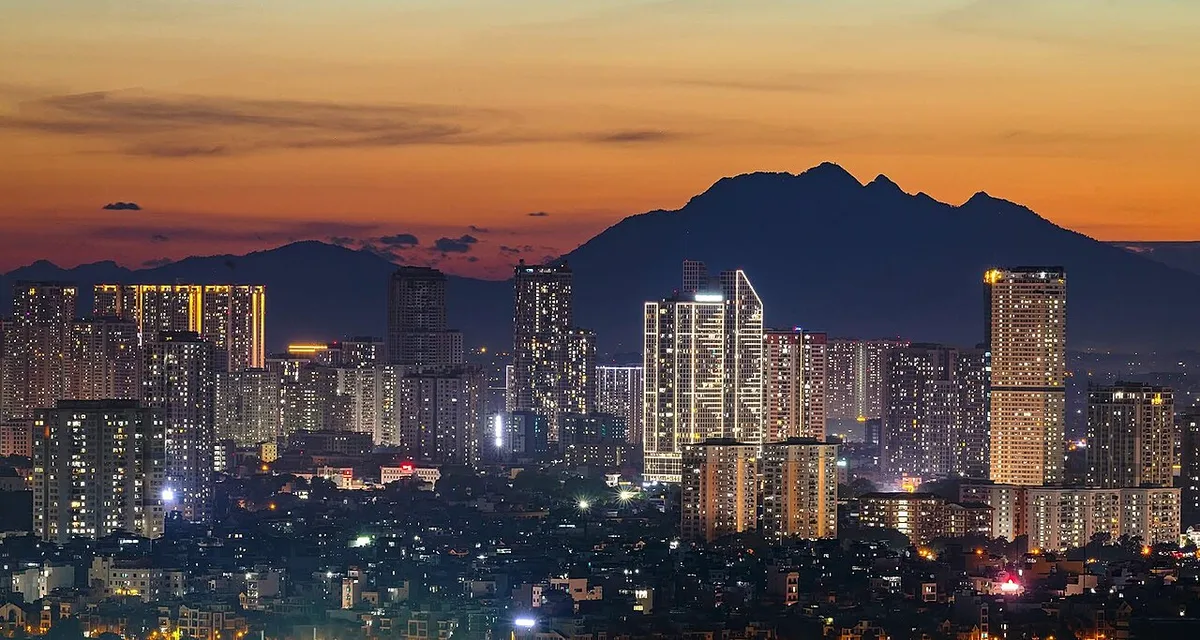
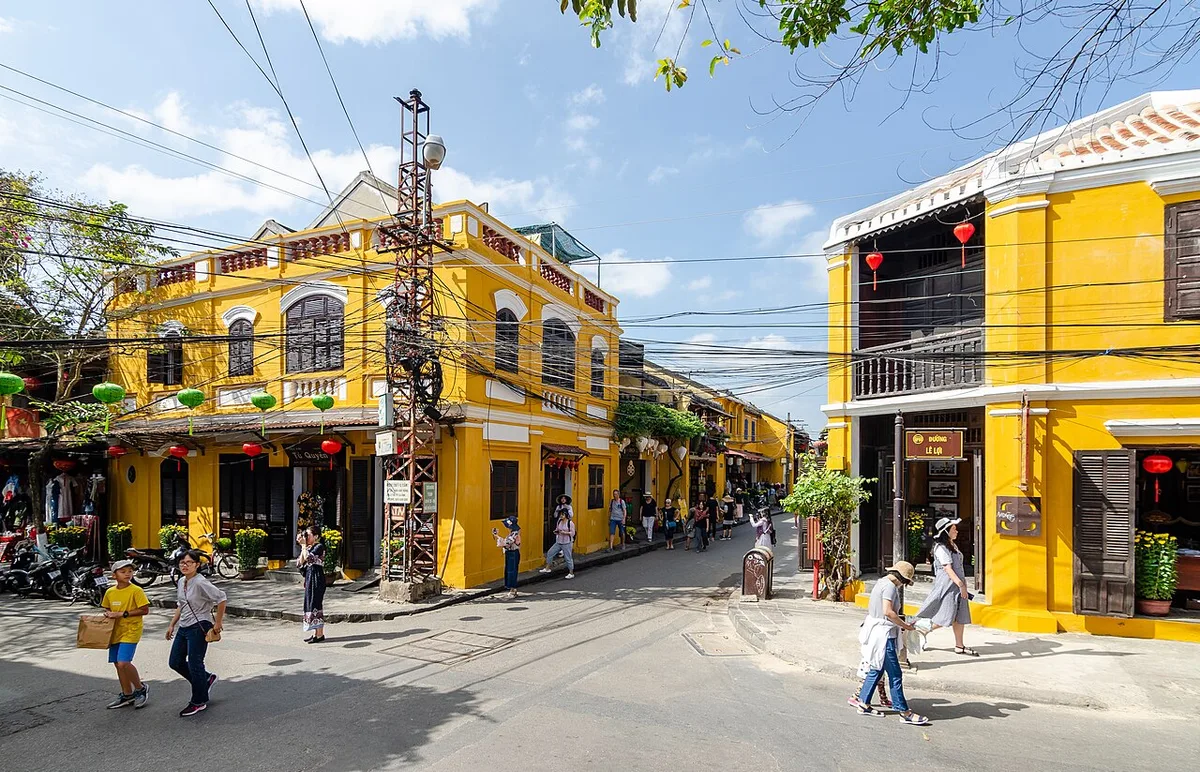
Hanoi, the capital of Vietnam, blends ancient history with modern life. Visitors can explore the Old Quarter's 36 traditional guild streets, walk around Hoan Kiem Lake, and visit landmarks like the Temple of Literature, Vietnam's first national university founded in 1070. The city offers rich cultural experiences with museums, colonial architecture, and a vibrant street food scene. Known for its chaotic yet charming atmosphere, Hanoi's daily life unfolds on sidewalks amid a constant flow of scooters.

Bologna, Italy
destination

Bologna, Italy

destination

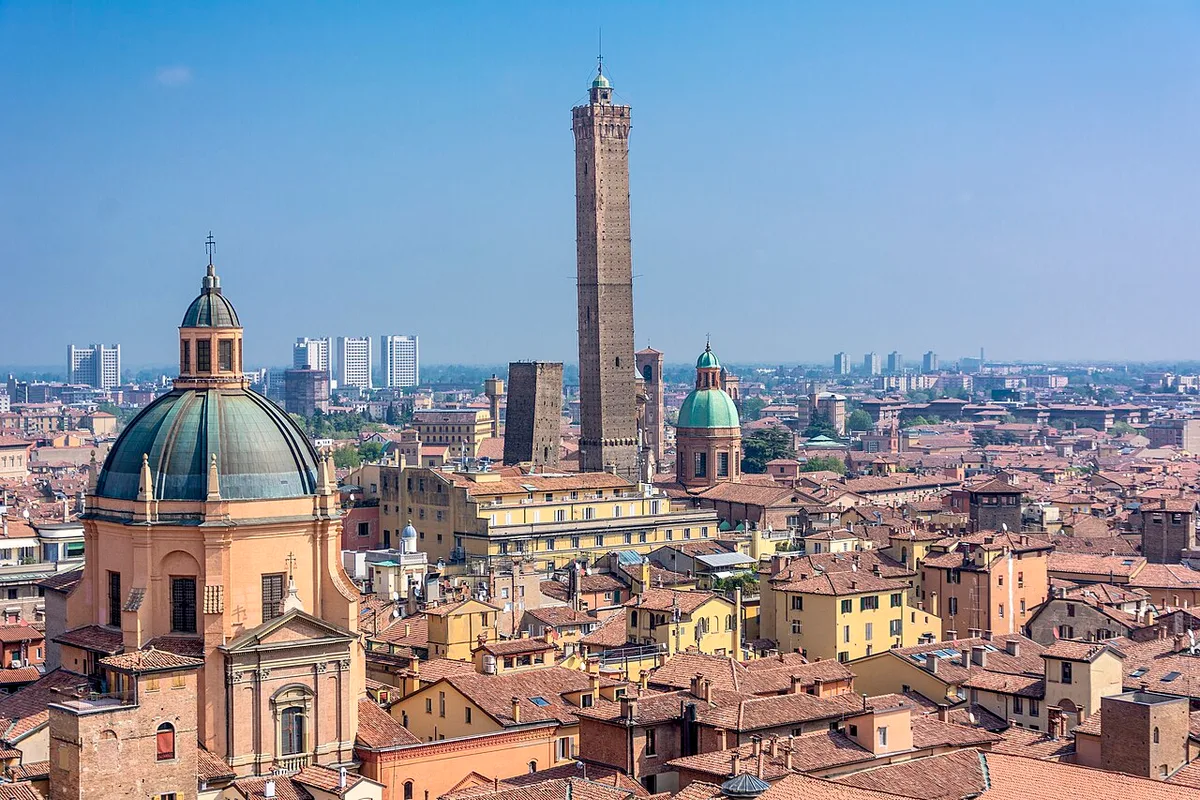
Bologna is a city in the Emilia-Romagna region of northern Italy, known for its traditional cuisine, historic university, and medieval architecture. Often called 'La Grassa' (The Fat) for its rich food culture, it offers travelers a lived-in feel with landmarks like Piazza Maggiore, the Two Towers, and the Basilica di San Petronio. It serves as a practical base for exploring northern Italy, with high-speed rail connections to Florence, Milan, Venice, and Rome.

New Orleans
destination

New Orleans

destination

New Orleans is a distinctive cultural city known for its music, cuisine, and historic neighborhoods like the French Quarter. Travelers should expect a vibrant atmosphere with a mix of history, live music, and unique local traditions. The city is a hub for festivals and offers a range of experiences from exploring museums and cemeteries to enjoying Creole and Cajun food. It is a destination that appeals to those interested in culture, history, and immersive urban experiences.

Salento
destination

Salento

destination

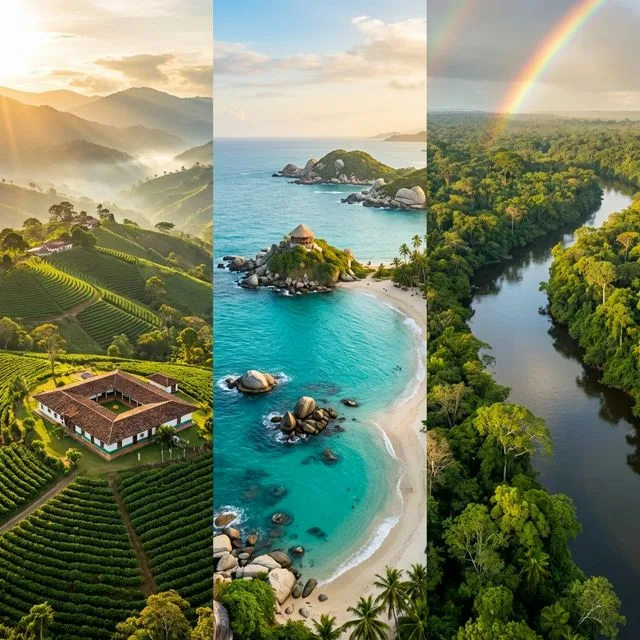
Salento is a charming and tranquil town nestled in the hills of Colombia's Zona Cafetera (Coffee Region) in the Quindío department. It is known for its cobbled streets, colorful colonial architecture, and as a gateway to the stunning Valle de Cocora, home to Colombia's national tree, the towering wax palm. The town offers a peaceful escape during the week but becomes a lively hub on weekends and holidays when visitors from nearby cities like Armenia and Pereira arrive to enjoy its scenic beauty and local culture. Salento serves as an excellent base for exploring coffee farms, hiking through cloud forests, and experiencing authentic Colombian coffee culture.

Mumbai
destination

Mumbai

destination

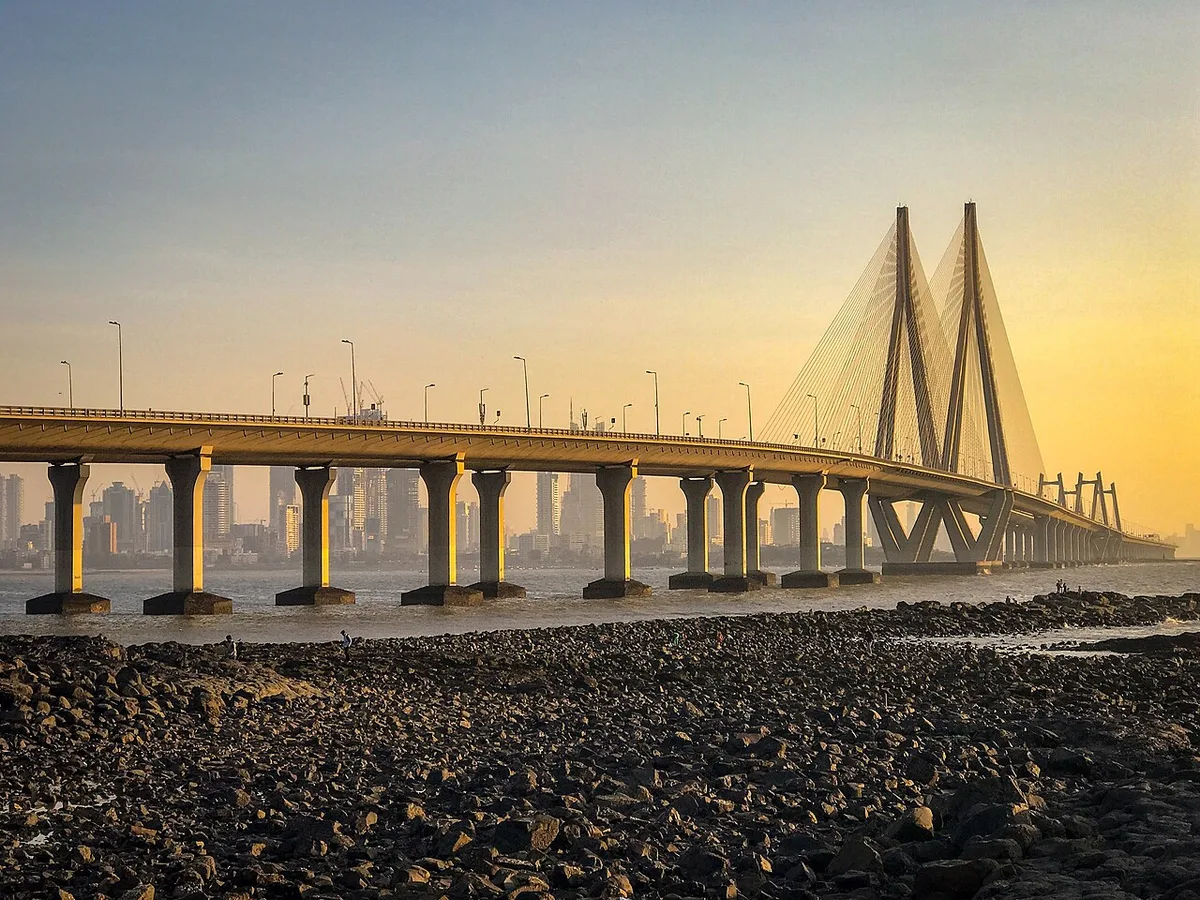
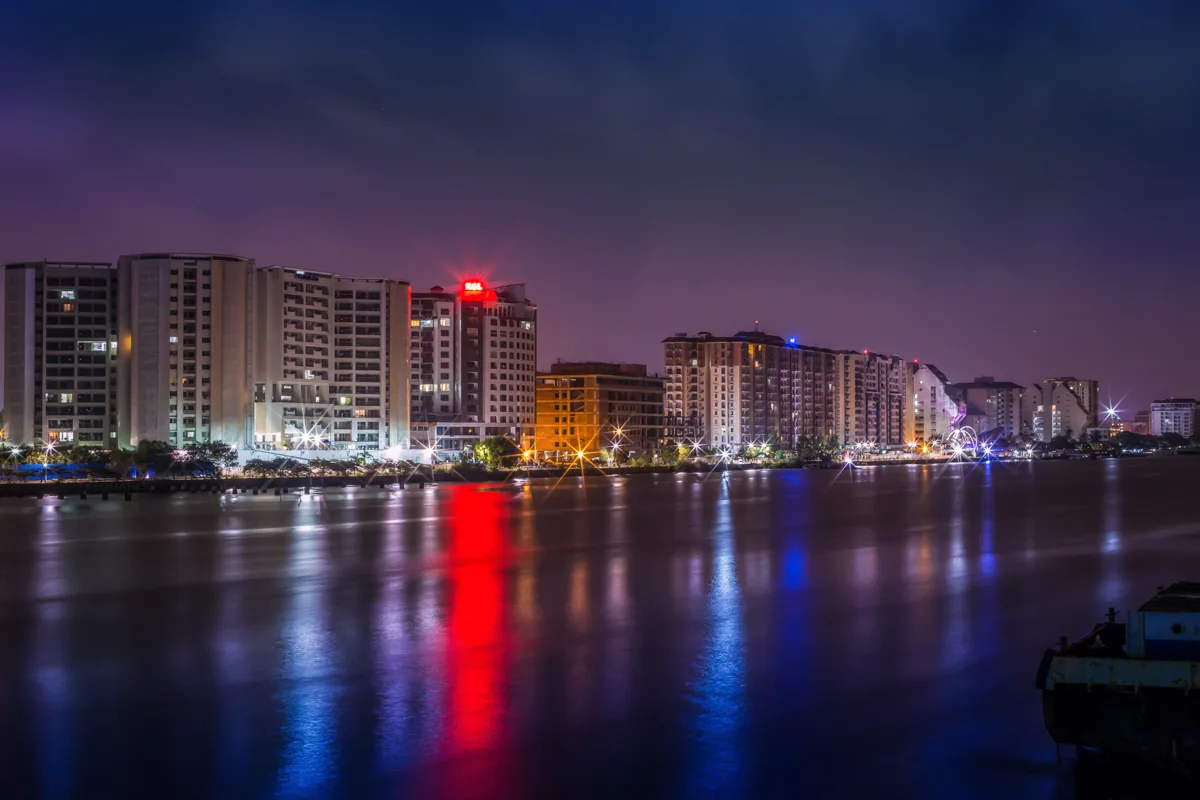
Mumbai, India's 'city of dreams,' is a bustling metropolis and commercial hub rising from seven islands on the Arabian Sea. It is a melting pot of diversity, home to multiple UNESCO World Heritage Sites, colonial architecture, and modern skyscrapers. The city is known for its vibrant street food, Bollywood film industry, and iconic landmarks like the Gateway of India and Marine Drive. Visitors can explore historic temples, art galleries, and beaches, experiencing a seamless fusion of cultures and a dynamic urban energy.

Fukuoka
destination

Fukuoka

destination

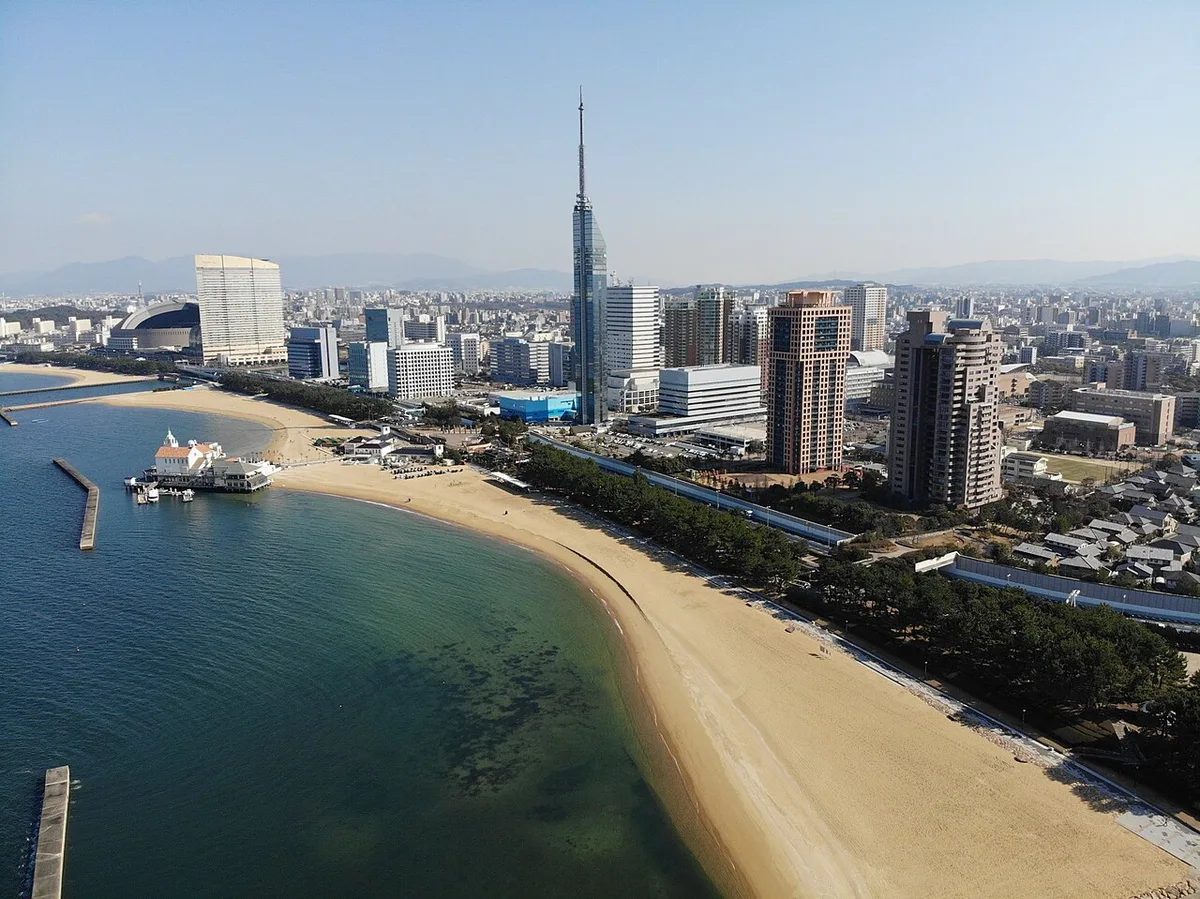
Fukuoka is a major city on Japan's Kyushu island, known for its vibrant food culture, historic temples, and modern urban energy. It serves as a gateway to the region and offers a distinct blend of traditional and contemporary Japanese experiences. Travelers can explore bustling street food stalls, serene shrines, and a lively waterfront, all within a compact and navigable city. The city is also a hub for innovation and design, with a creative scene that extends from local crafts to modern architecture.

Santa Fe
destination

Santa Fe

destination

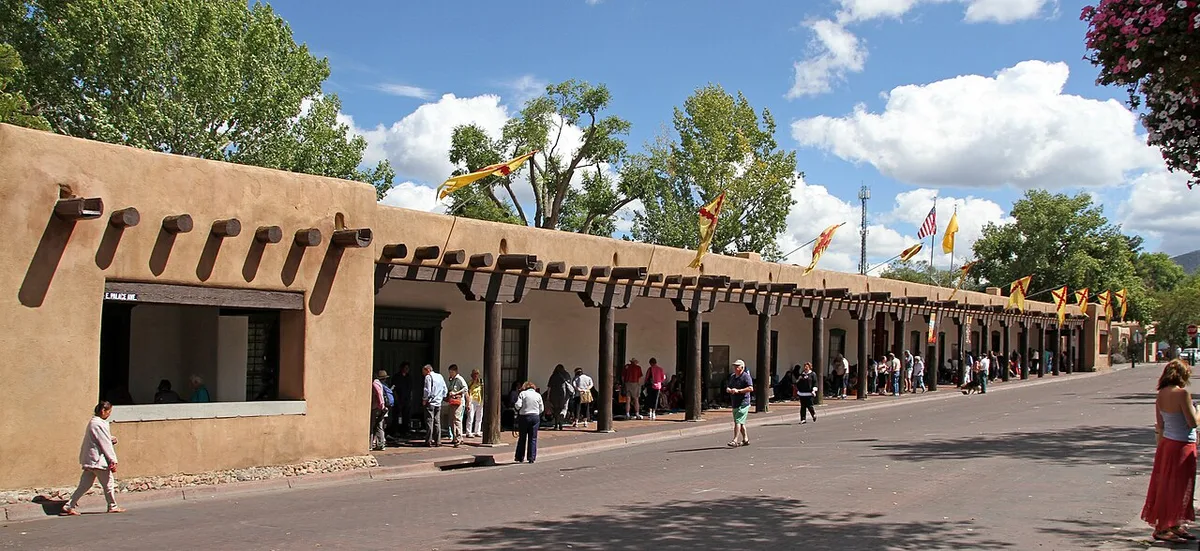
Santa Fe, the capital of New Mexico, is a high-desert city renowned for its distinctive Pueblo-style architecture, vibrant arts scene, and deep multicultural heritage. Travelers come for its galleries, museums, historic plaza, and the unique blend of Native American, Spanish, and Anglo influences that shape its character. The city's identity is rooted in its role as a different kind of arts and desert destination, offering a more intimate and culturally rich experience than many other southwestern cities.

Chicago
destination

Chicago

destination

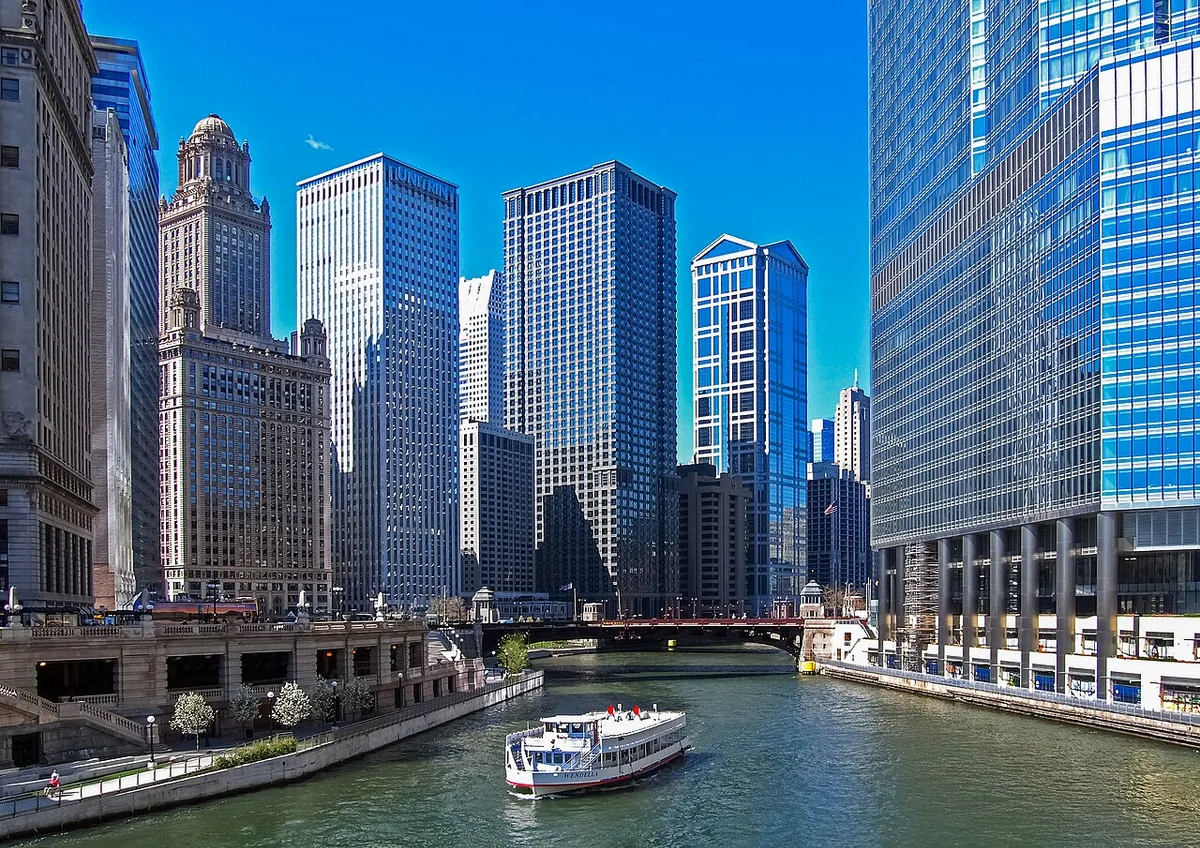
Chicago is a major city in the United States, known for its significant architecture and a distinctive food scene. The city is often characterized as an underestimated destination for both architecture enthusiasts and food lovers. Travelers can expect a dense urban environment with a strong culinary culture, ranging from deep-dish pizza and Chicago-style hot dogs to a growing fine-dining scene. The city's architectural heritage is a central draw, with a skyline that includes iconic skyscrapers and a history of innovative building design. Chicago offers a mix of world-class museums, vibrant neighborhoods, and lakefront attractions, making it a compelling destination for those interested in culture, history, and gastronomy.

India
destination

India

destination

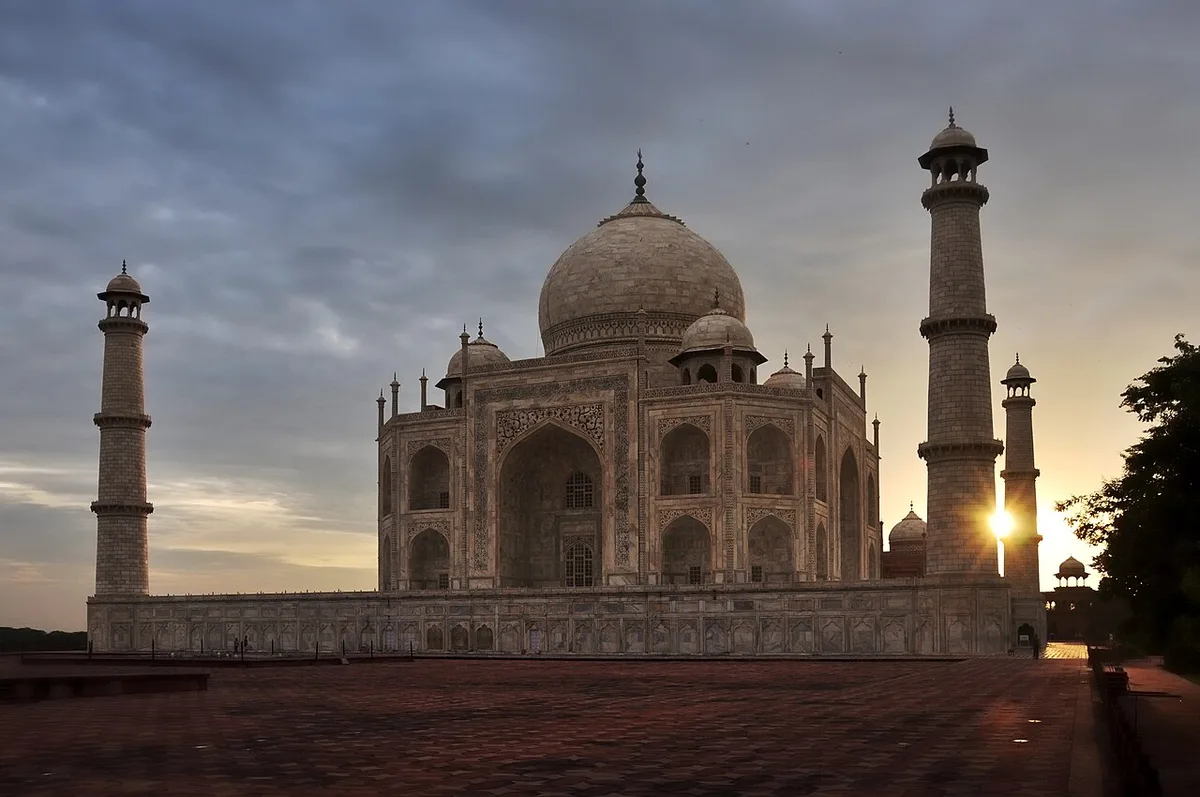
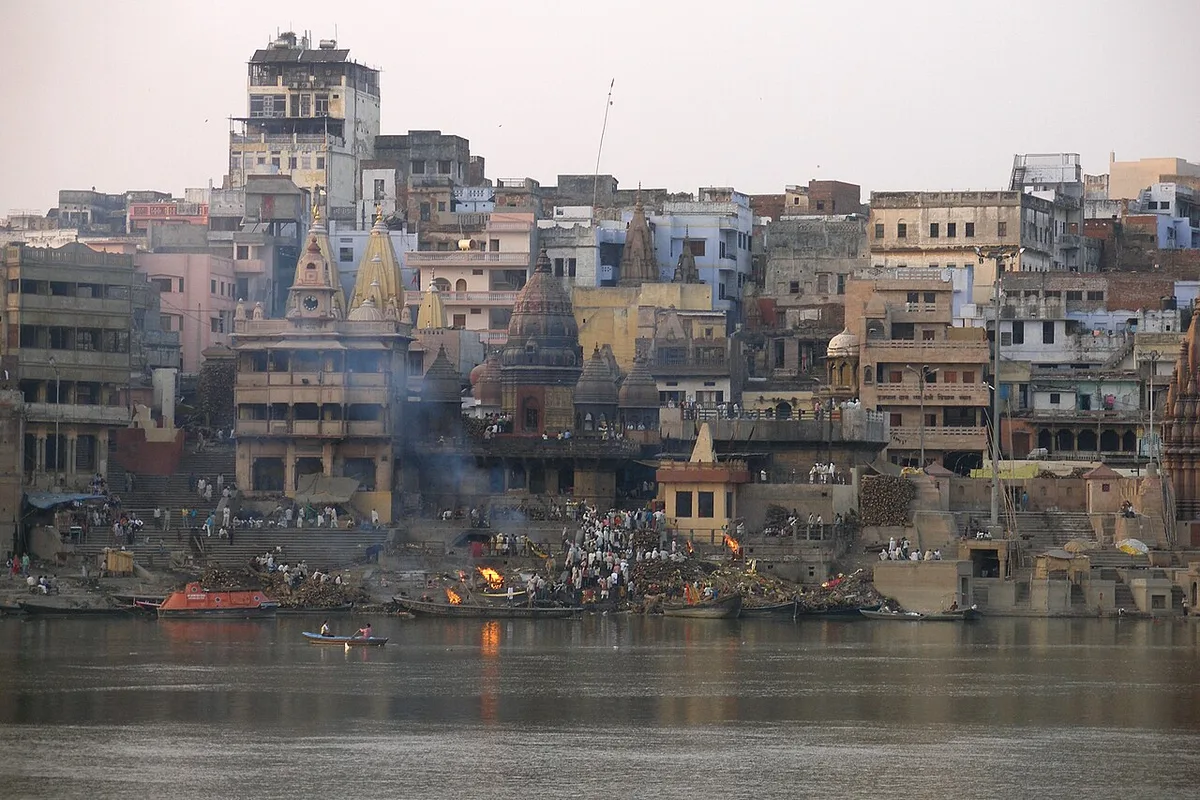
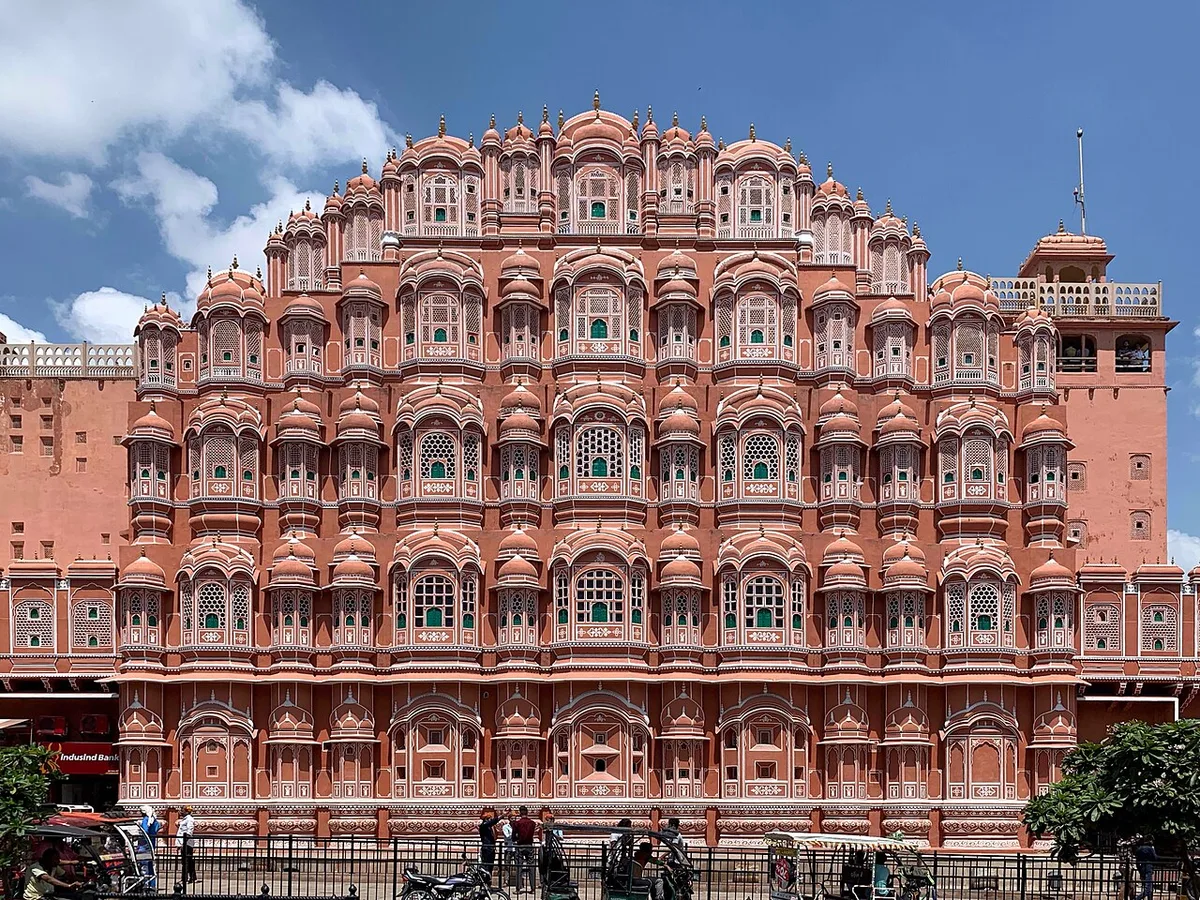
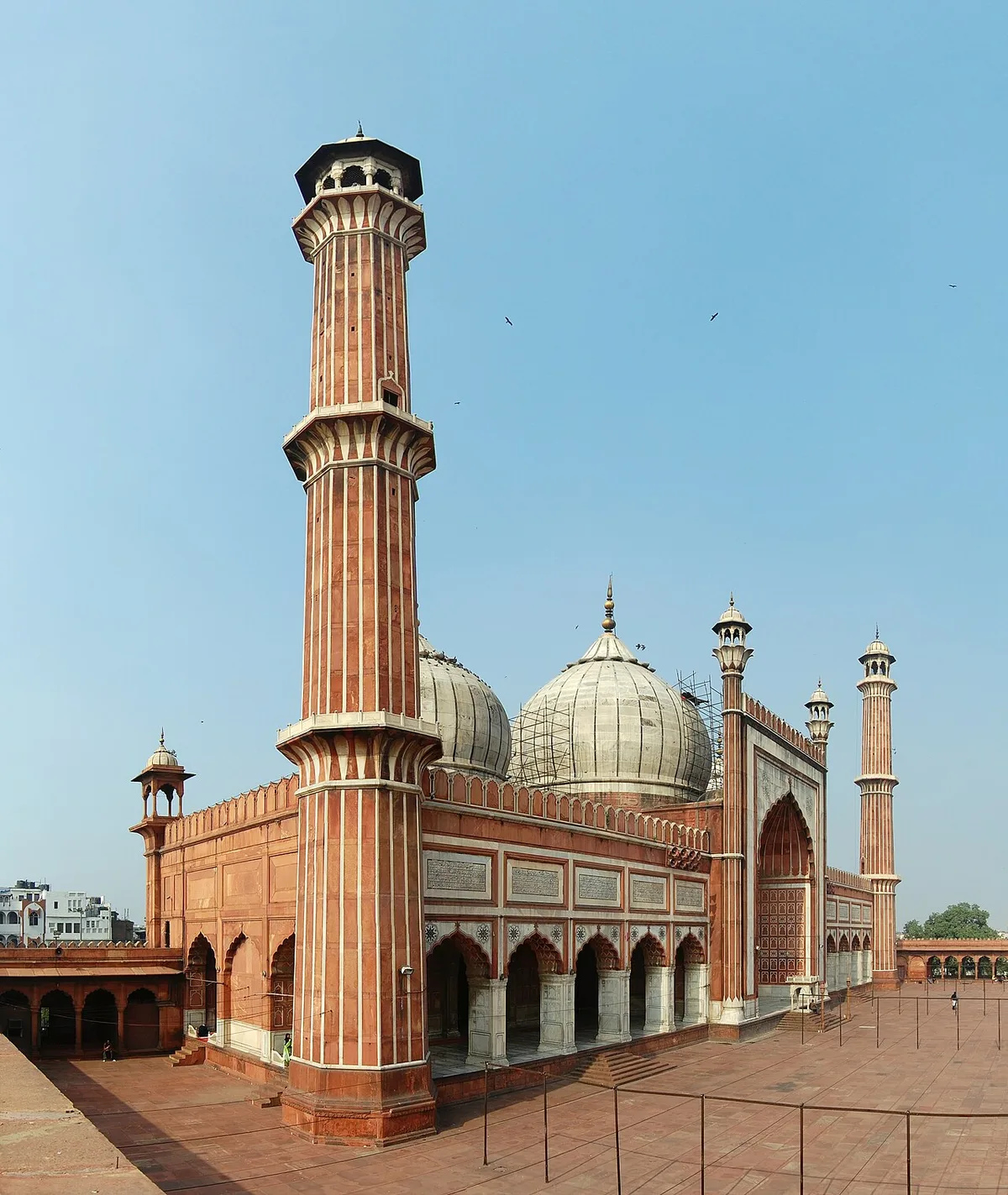
India offers a vast and varied travel landscape, from the Himalayan peaks and desert forts of the north to tropical beaches and backwaters in the south. The country is home to numerous UNESCO World Heritage Sites, including the Taj Mahal in Agra, the Red Fort in Delhi, and the Victorian and Art Deco Ensemble in Mumbai. Travelers can explore historic cities like Varanasi, a major spiritual center, and Amritsar, home to the Golden Temple. India's diverse regions each offer distinct experiences, from the houseboats of Srinagar's Dal Lake to the rock-cut caves of Bhubaneswar and the colonial architecture of Puducherry's French Quarter.

Iceland
destination

Iceland

destination

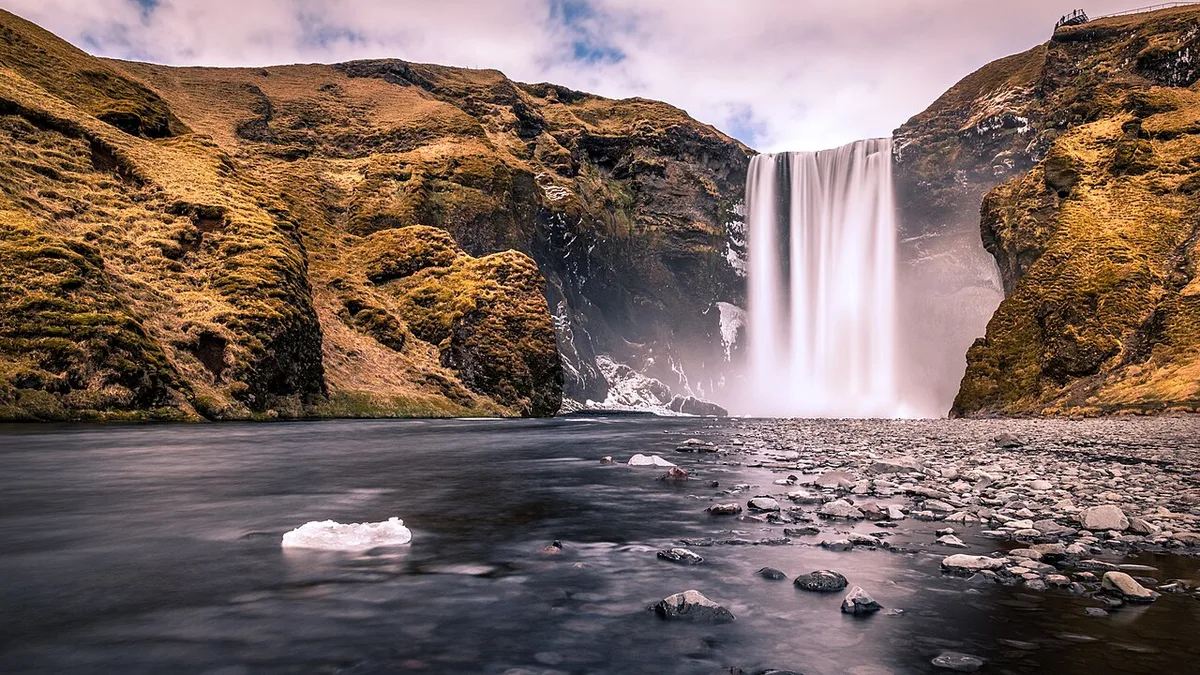
Iceland offers dramatic natural landscapes across eight distinct regions, from the geothermal fields and lava flows of the Reykjanes Peninsula near the airport to the waterfalls, glaciers, and black-sand beaches of the South. The Capital Region around Reykjavík combines culture, design, and cafés within minutes of wild coastlines. The Westfjords provide remote fjords, sea cliffs, and solitude, while Snæfellsnes is often described as a "mini Iceland" with cliffs, lava fields, and fishing villages. North Iceland features geothermal baths and whale watching; the Eastfjords offer slow travel along quiet coastal towns. The Golden Circle route (Þingvellir, Geysir, Gullfoss) is recommended for first-time visitors.

Japan
destination

Japan

destination

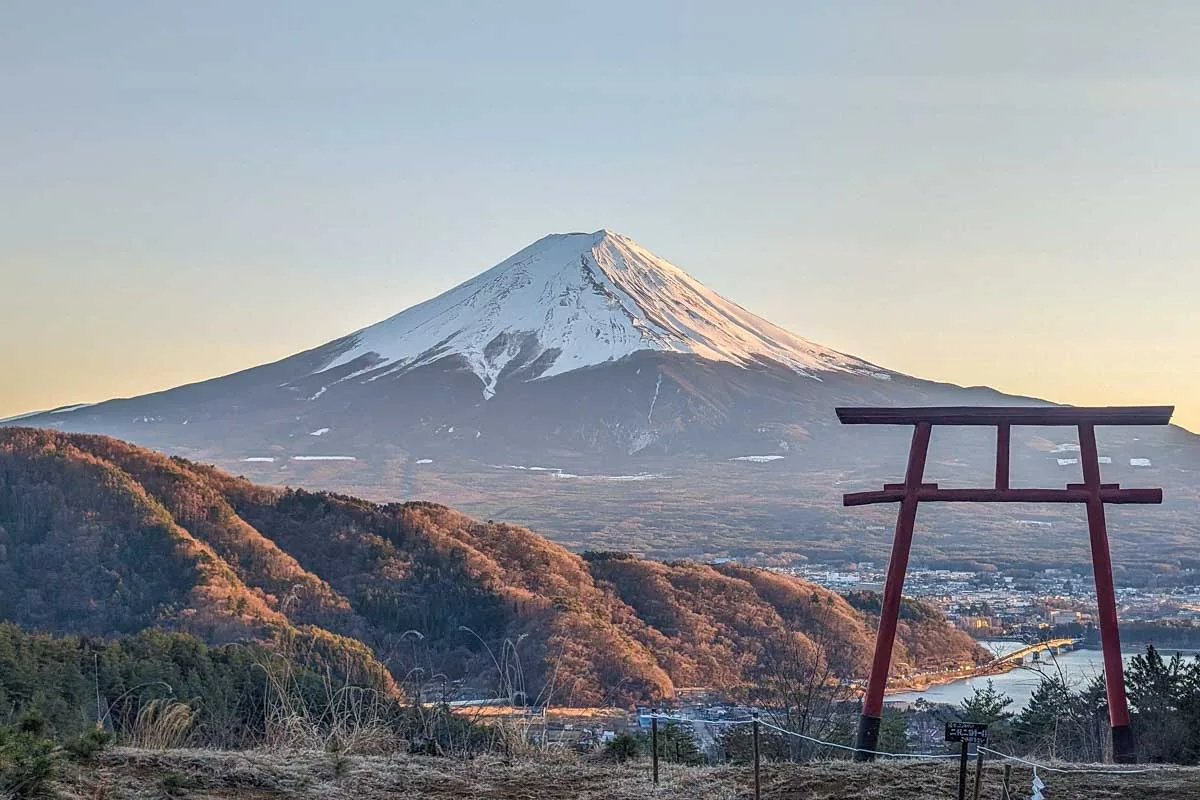
Japan offers a rich tapestry of seasonal and cultural experiences for travelers. In April, the hanami cherry blossom season paints parks across the country in soft pink, with Fukuoka providing a serene alternative to Tokyo's crowds-parks like Maizuru and Nishi frame views of Hakata Bay. September brings crisp, cooler temperatures ideal for exploring cities and countryside, with vibrant fall foliage beginning in higher elevations. Cultural highlights include Kyoto's temples, Okinawa's beaches, sake tasting, and local markets, all set against a backdrop of refined cuisine blending tradition and innovation, such as ramen and fresh seafood.

United States
destination

United States

destination

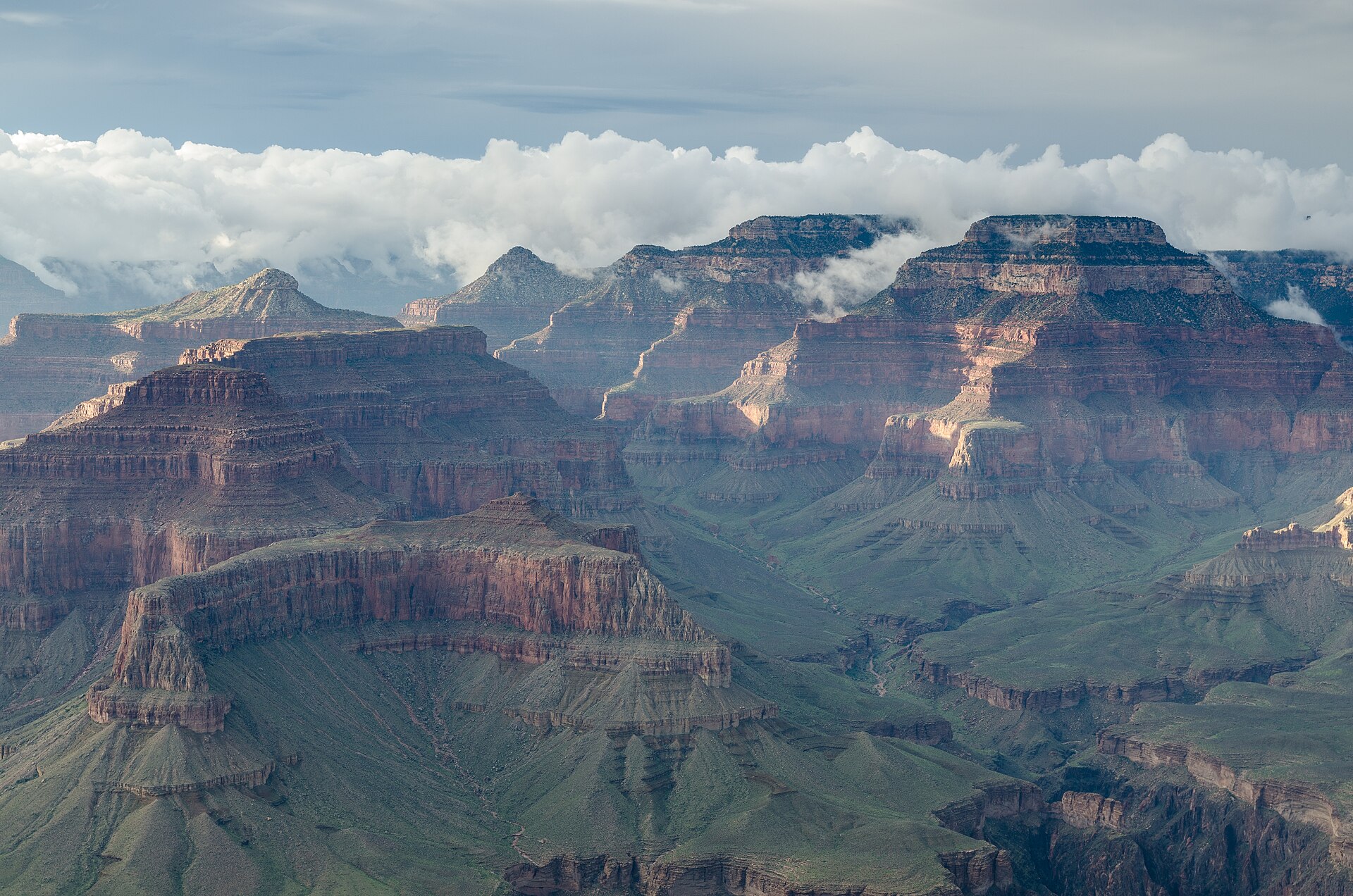
The United States is a vast and diverse travel destination spanning multiple regions, including iconic mainland cities like New York, Los Angeles, Chicago, Miami, Las Vegas, Orlando, Seattle, Boston, Denver, and Dallas, as well as tropical destinations such as Honolulu in Hawaii. Travel platforms like KAYAK and Google Travel prominently feature these destinations for booking flights, hotels, and rental cars, offering extensive options for exploring the country's varied landscapes, cultural hubs, and urban experiences.

Moshi, Tanzania
destination

Moshi, Tanzania

destination

Moshi is a city in Tanzania, best known as a primary base for treks up Mount Kilimanjaro. It offers a distinct alternative to the more commonly used gateway towns, appealing to travelers seeking a quieter, more local atmosphere before or after their climb. The city is also the seat of the Roman Catholic Diocese of Moshi and is served by Moshi Airport. As an editorial reference point, Moshi is characterized as a different kind of Kilimanjaro base, emphasizing its role as a staging point rather than a major tourist hub in its own right.

San José, Costa Rica
destination

San José, Costa Rica

destination

San José is the capital of Costa Rica and of the province of San José, as well as a canton. As the nation's capital, it serves as the primary gateway for travelers entering the country, typically via Juan Santamaría International Airport (SJO). The city functions as a central hub from which visitors can access the country's diverse natural attractions, including volcanoes, cloud forests, and beaches. San José itself offers a mix of urban experiences, including museums, theaters, and parks, reflecting its role as the political and cultural heart of Costa Rica. Travelers should expect a bustling Central American capital that balances its role as a transit point with its own distinct urban character.

Vík í Mýrdal
destination

Vík í Mýrdal

destination

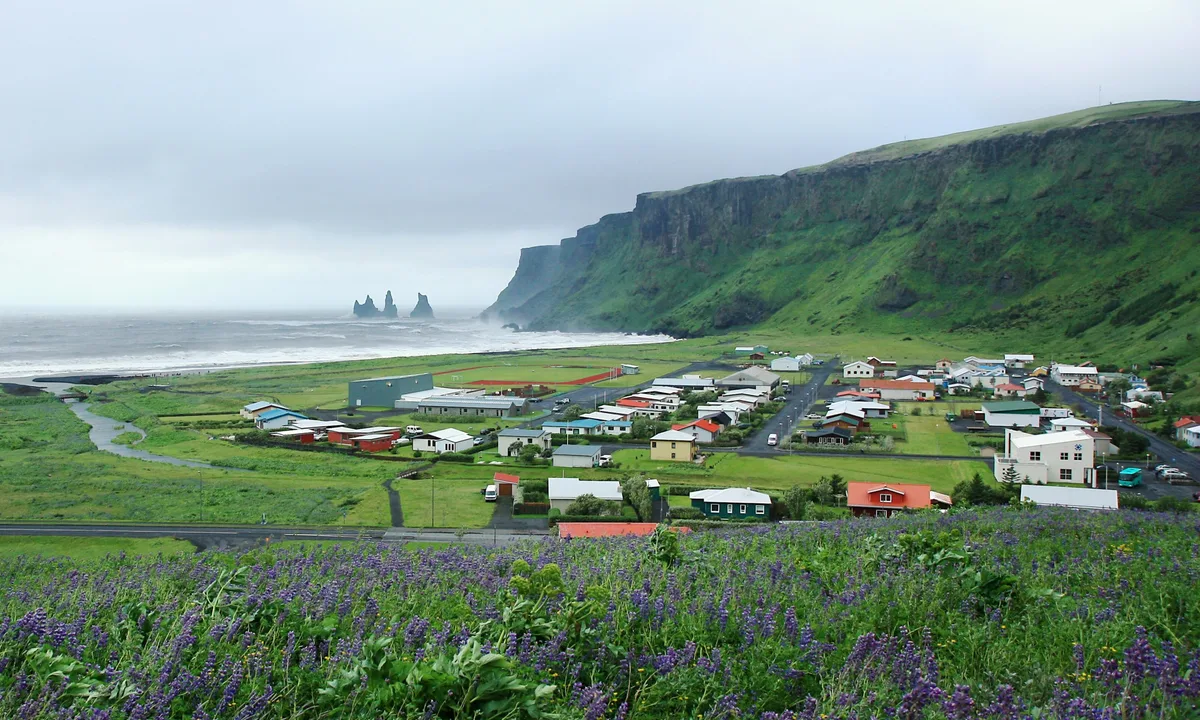
Vík í Mýrdal, often called simply Vík, is Iceland's southernmost village, located on the main ring road about 180 km (110 mi) southeast of Reykjavík. It is a small but important service center and staging post for travelers exploring the South Coast, known for its dramatic black sand beaches, basalt sea stacks, and proximity to natural wonders like Reynisfjara and Dyrhólaey. The village is also notable for its location near the Katla volcano and Mýrdalsjökull glacier, and for being Iceland's only seaside village without a harbor.

Vietnam
destination

Vietnam

destination

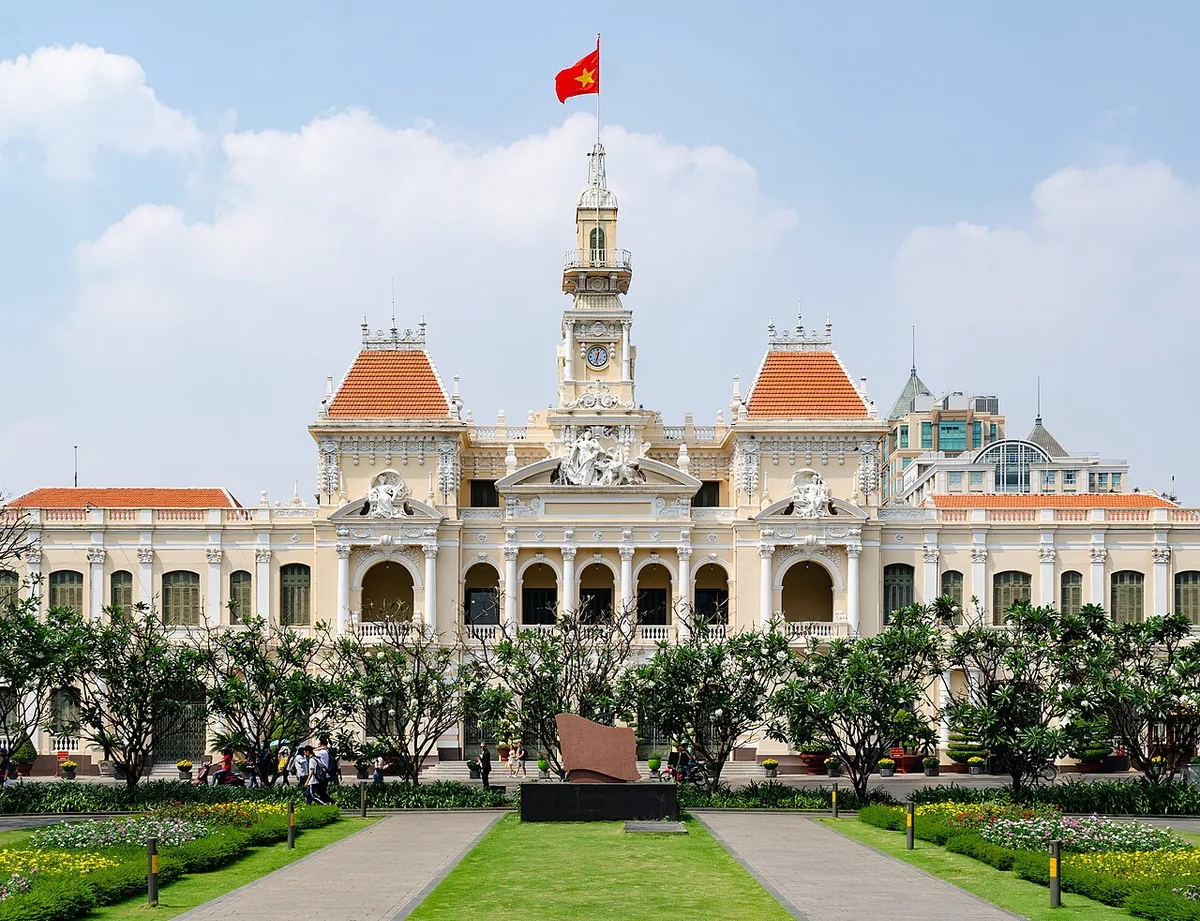
Vietnam is a land of extraordinary beauty and endless adventures, offering travelers a chance to explore rich culture, stunning landscapes, and unforgettable cuisine. From its dramatic limestone mountains in the north to pristine beaches in the south, it is a bucket-list destination. The country boasts UNESCO World Heritage sites like Ha Long Bay and Hoi An, vibrant cities such as Hanoi and Ho Chi Minh City, and natural wonders including the Phong Nha-Ke Bang National Park cave systems. Visitors can immerse themselves in ancient history, vibrant festivals, and legendary local dishes while enjoying warm hospitality and favorable visa policies.

Puerto Viejo
destination

Puerto Viejo

destination

Puerto Viejo de Talamanca is a laid-back Caribbean town on Costa Rica's southern coast, known for its Afro-Caribbean culture, jungle-backed beaches, and world-class surf. It offers a distinctly different vibe from the rest of the country, blending reggae rhythms, spicy Caribbean cuisine, and a bohemian, backpacker-friendly atmosphere. The town serves as a base for exploring nearby Cahuita National Park, the Gandoca-Manzanillo Wildlife Refuge, and the indigenous BriBri territory. Travelers come for the consistent surf breaks, the relaxed pace of life, and the opportunity to experience a side of Costa Rica that feels far removed from the typical tourist trail.

Fuvahmulah
destination

Fuvahmulah

destination

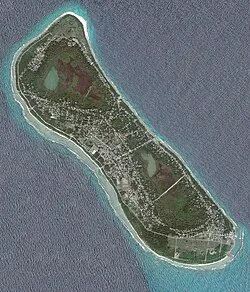
Fuvahmulah is a single-island atoll in the Maldives' Gnaviyani Atoll, roughly 494 km south of Malé. Unlike typical resort islands, it is a naturally formed island with freshwater lakes, wetlands, and dense tropical vegetation, including the largest jambul grove in the Maldives and the only place in the country where the common moorhen is natively found. Historically difficult to reach due to ocean swells and a lack of lagoon, the island opened up with a harbour in the early 2000s and a domestic airport in 2011. It is the third most populous island in the Maldives, with a distinctive local Dhivehi dialect and landmarks such as the Gen Miskit mosque, believed to be the oldest in the country.

Seyðisfjörður
destination

Seyðisfjörður

destination

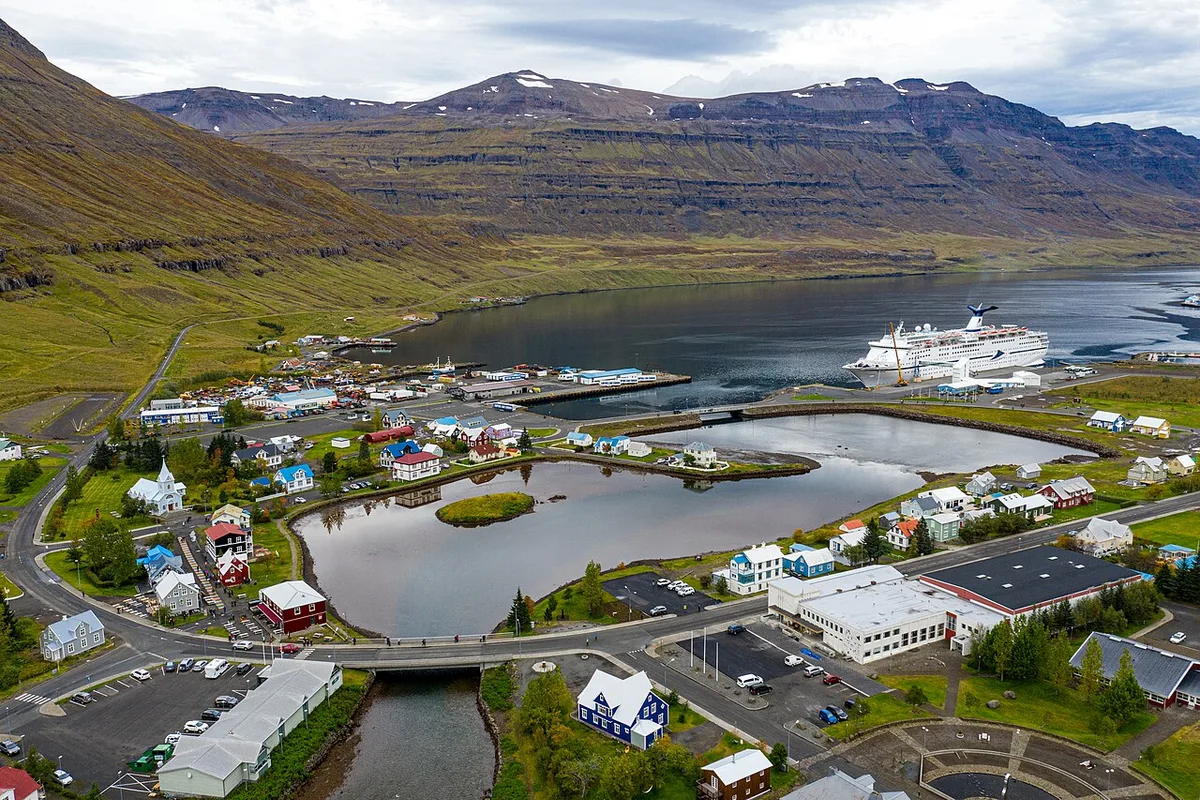
Seyðisfjörður is a small town in Iceland's Eastern Region, nestled at the innermost point of the fjord of the same name. Known for its old wooden buildings, vibrant artistic culture, and dramatic mountain scenery, it serves as the Icelandic port for the Norröna car ferry, connecting to mainland Europe via the Faroe Islands and Denmark. The town is surrounded by mountains, with Mt. Bjólfur (1085 m) to the west and Strandartindur (1010 m) to the east, and is accessible via a road over the Fjarðarheiði mountain pass (600 m elevation), 27 km from the Ring Road and Egilsstaðir.

Húsavík
destination

Húsavík

destination

Húsavík is a small town on the northeast coast of Iceland, set on the shores of Skjálfandi bay. It is widely recognized as a centre for whale watching in Iceland, with whales of different species frequently entering the bay. The town's most famous landmark is the wooden church Húsavíkurkirkja, built in 1907. Húsavík gained international attention as the setting of the 2020 Netflix film 'Eurovision Song Contest: The Story of Fire Saga', which led to a reported significant jump in tourism following the film's release. The town's economy is derived from tourism, fishing, retail, and small industries. Nearby attractions include the Mývatn region, Jökulsárgljúfur National Park with the canyon Ásbyrgi, and the waterfalls Dettifoss, Hafragilsfoss, and Selfoss.

Reykjavík
destination

Reykjavík

destination

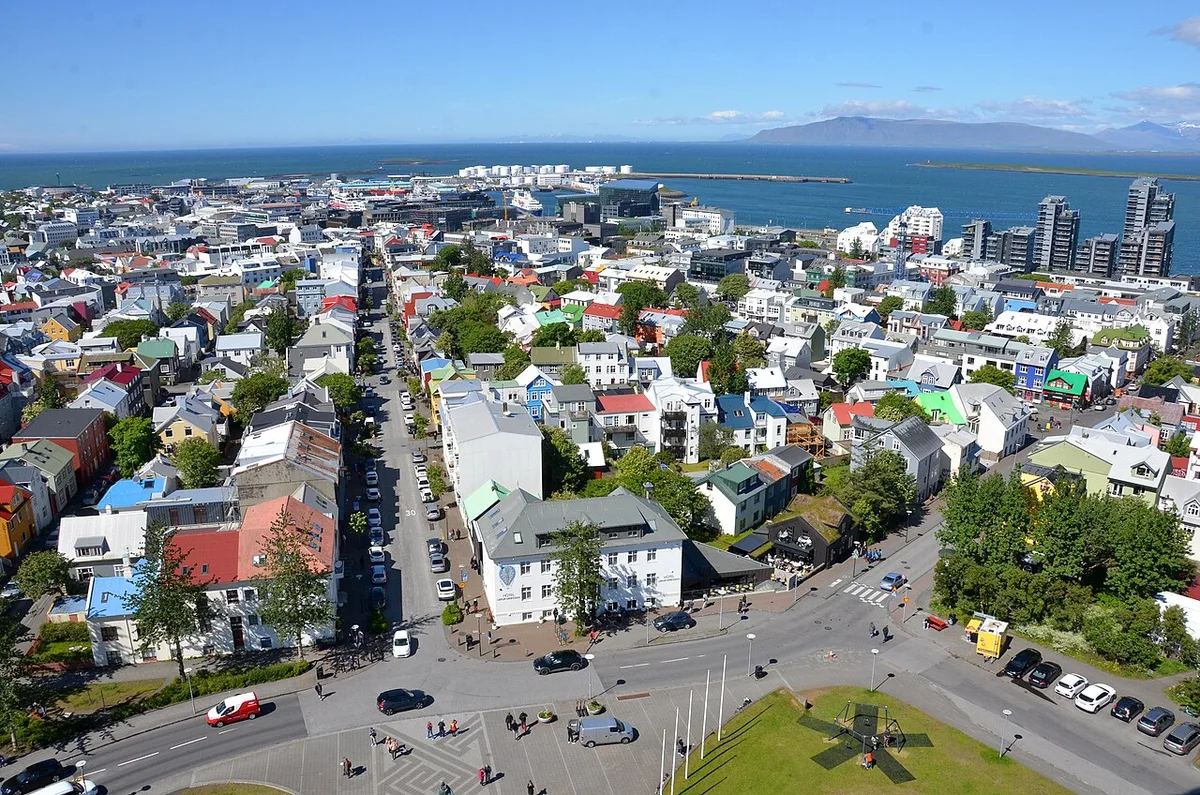
Reykjavík is the capital and largest city of Iceland, located on the southern shore of Faxaflói bay in southwest Iceland. As the world's northernmost capital of a sovereign state, it serves as the cultural, economic, and governmental center of the country. The city is consistently ranked among the cleanest, safest, and most environmentally friendly cities globally, making it a popular base for exploring Iceland's natural attractions. Its compact, walkable center features colorful houses, vibrant dining, and shopping, while its nickname, 'The City of Sagas,' reflects Iceland's rich literary heritage. Reykjavík's modern development, rapid post-WWII expansion, and unique blend of small-town charm and urban energy create a distinct Nordic gateway experience.

Tortuguero
destination

Tortuguero

destination

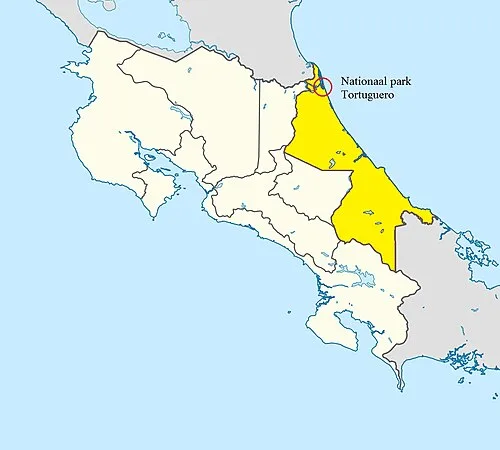
Tortuguero is a village on Costa Rica's northern Caribbean coast, best known as the gateway to Tortuguero National Park. The park protects a network of canals, lagoons, and rainforest that supports remarkable biodiversity, including nesting sea turtles. The village itself is small and car-free, connected by waterways and footpaths, making it a distinct destination for travelers seeking a remote, nature-focused experience. Its identity is deeply tied to the surrounding national park and conservation area, which are managed for environmental protection.

La Fortuna
destination

La Fortuna

destination

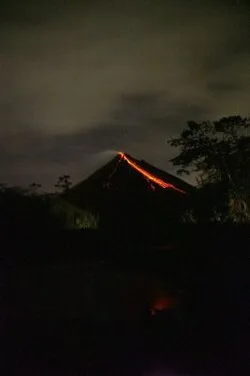
La Fortuna is a small town in northern Costa Rica, best known as the gateway to Arenal Volcano. It serves as a classic base for exploring the region's rainforests, hot springs, waterfalls, and adventure activities. The town itself is practical and laid-back, with its identity tied to its setting at the foot of the volcano. Travelers use it as a hub for day trips and excursions, with the surrounding landscape providing the main draw.

Liberia, Costa Rica
destination

Liberia, Costa Rica

destination

Liberia is the classic northwestern gateway to Costa Rica's most famous beaches and volcanoes. Known as the 'White City' for its whitewashed colonial-era buildings and distinctive white-stone streets, it serves as the primary transport hub for the Guanacaste province. Travelers typically pass through Liberia en route to the beaches of the Nicoya Peninsula, Rincon de la Vieja Volcano, and other natural attractions, rather than treating the city itself as a final destination. The city offers a taste of local Guanacastecan culture, with a central park, a historic church, and a lively local market, making it a practical and convenient base for exploring the region.

Lamu
destination

Lamu

destination

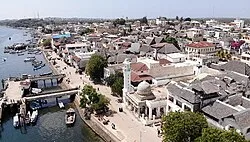
Lamu, or Lamu Town, is a small town on Lamu Island in the Lamu Archipelago, Kenya, and the headquarters of Lamu County. It is a UNESCO World Heritage Site, inscribed in 2001 as 'the oldest and best-preserved Swahili settlement in East Africa.' The town is known for its Swahili architecture, historic forts, mosques, and a distinct cultural heritage shaped by centuries of trade and Omani influence. Lamu is a popular destination for backpackers, with a local economy that includes dhow trips for tourists and a notable artisan community.

Kisumu
destination

Kisumu

destination

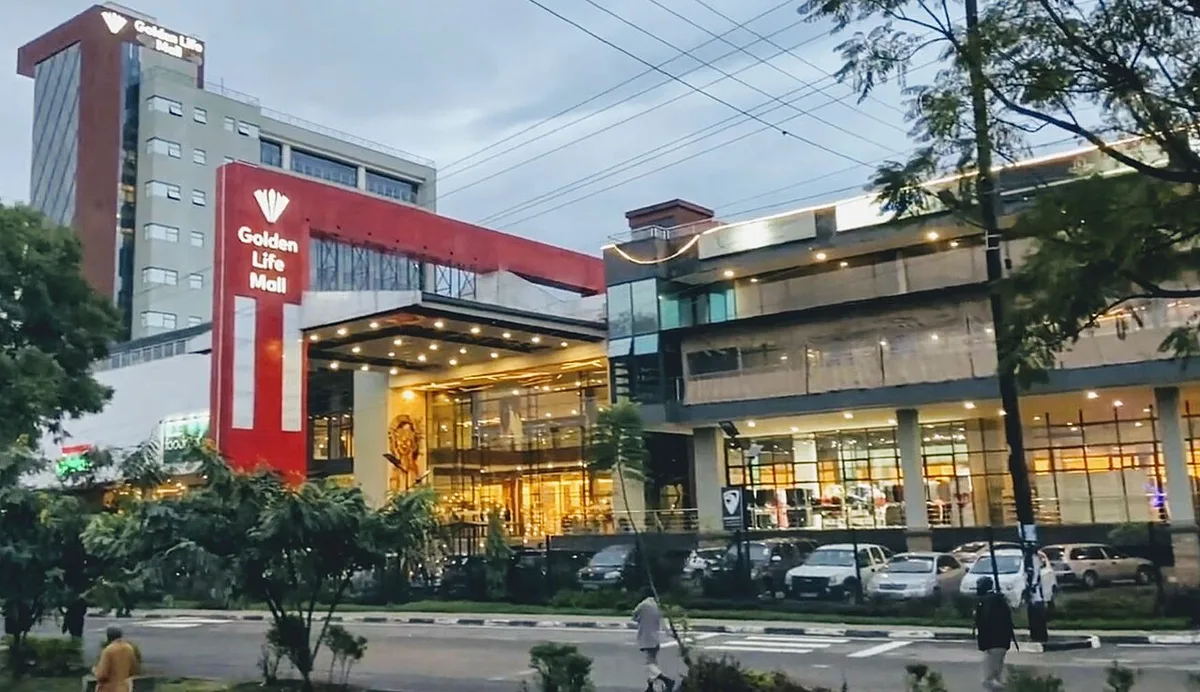
Kisumu is Kenya's third-largest city and the second-largest city in the Lake Victoria Basin after Kampala. Located on the northeastern edge of the Winam Gulf at an elevation of 1,131 m (3,711 ft), it is known as the 'Lakeside City' and serves as the cultural centre of the Luo people. The city is a key industrial, commercial, and intellectual hub, and was recognized by the United Nations as the world's first 'Millennium City'. Its distinct character comes from its lakeside setting, trading-post heritage, and role as a gateway to Lake Victoria.

Nakuru
destination

Nakuru

destination

Nakuru is the capital city of Nakuru County, Kenya, situated 1,850 meters above sea level along the Nairobi–Nakuru Highway, about 160 km from Nairobi. It became the fourth urban area in Kenya to be granted city status in December 2021. The city is known for its agricultural activity, manufacturing, and tourism, and serves as a gateway to the Rift Valley lakes, including Lake Nakuru, Lake Elementaita, and Lake Naivasha. With a temperate and subtropical highland climate, temperatures drop significantly at night and between June and August. Nakuru is an underestimated nature city, offering a blend of urban convenience and access to Kenya's natural landscapes.

Mombasa
destination

Mombasa

destination

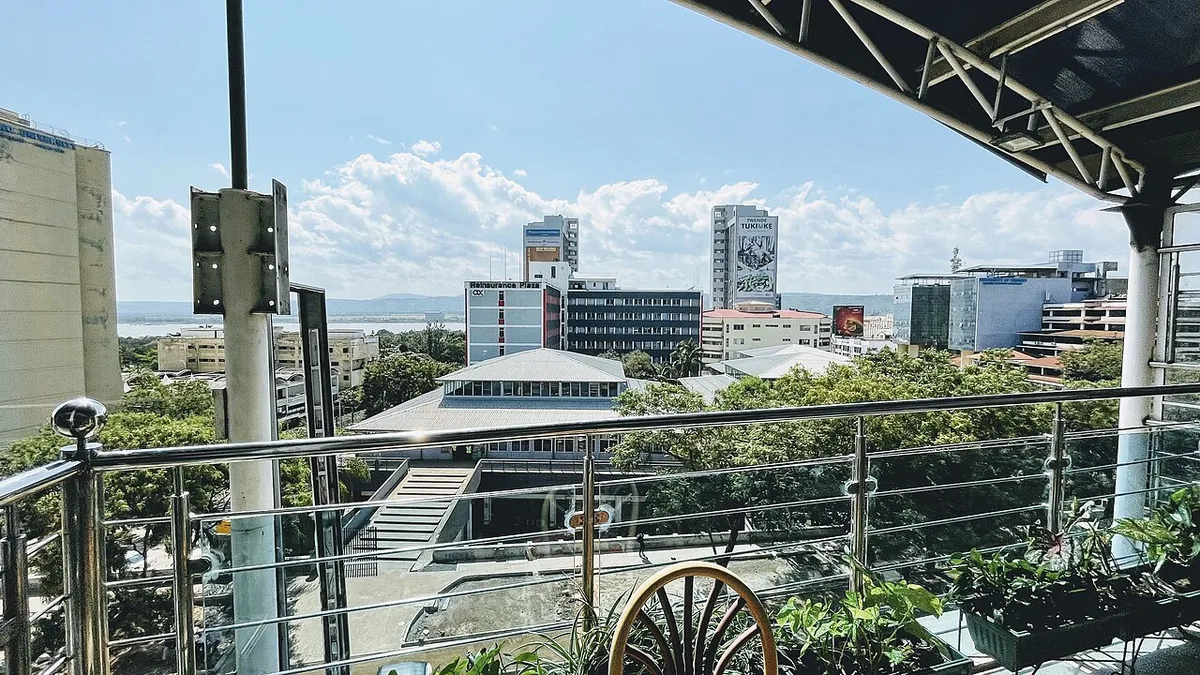
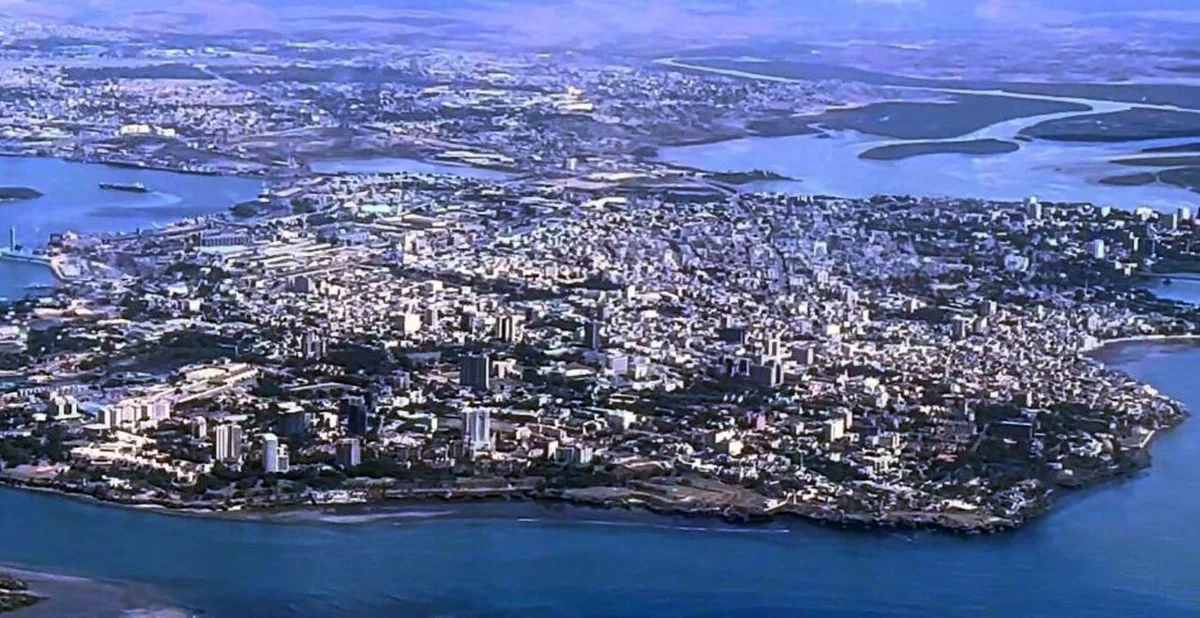
Mombasa is a coastal city in southeastern Kenya along the Indian Ocean, and the country's oldest city, with its founding traditionally placed around 900 AD. It was the first capital of British East Africa before Nairobi took that role in 1907, and it now serves as the capital of Mombasa County. The city's location on the Indian Ocean made it a historic trading centre, and it has been controlled by many countries because of its strategic position. Today, Mombasa is a tourism-based town, home to one of the state houses, with an extra-large port and an international airport. Buildings in the Central Business District are blue and white, representing the Indian Ocean.

Nairobi
destination

Nairobi

destination

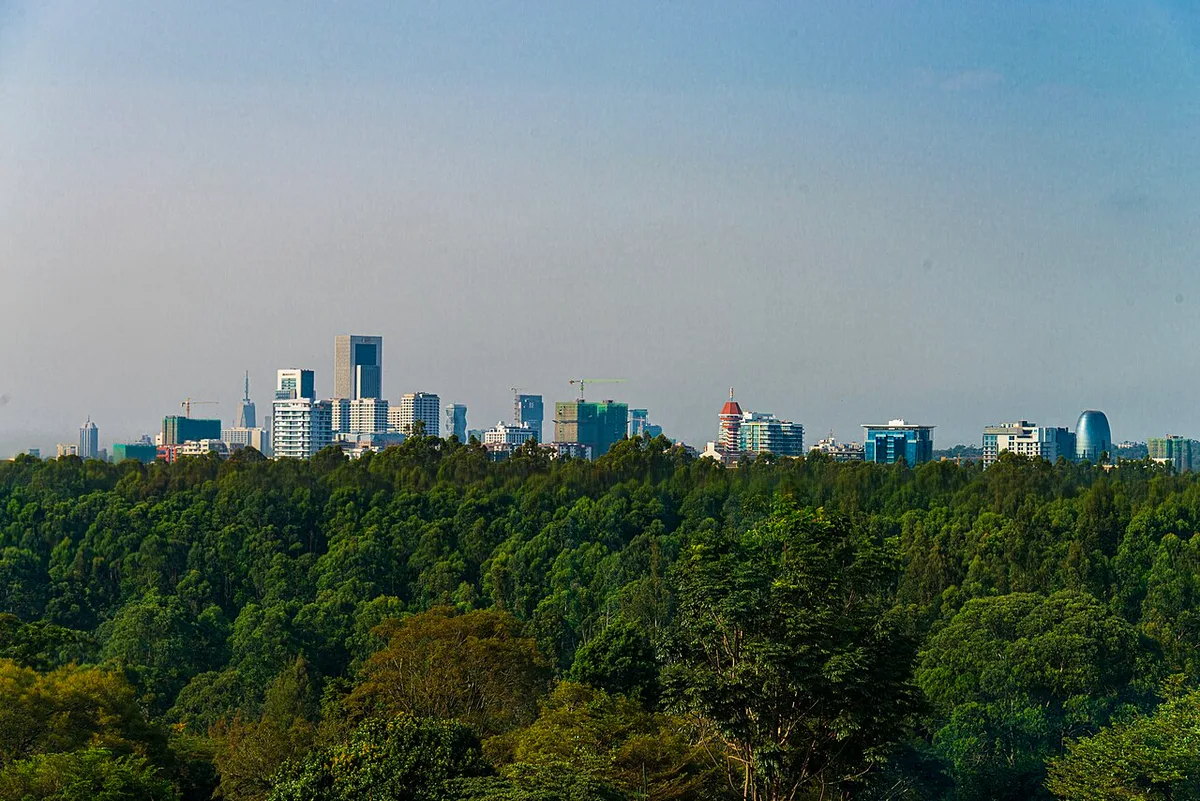
Nairobi is the capital and largest city of Kenya, located in the south-central part of the country. Nicknamed the 'Green City under the Sun,' it is uniquely notable for being the only capital city in the world that hosts a national park within its boundaries, Nairobi National Park. The city's name originates from the Maasai phrase Enkare Nyirobi, meaning 'place of cool waters.' As the national capital, Nairobi is home to the Kenyan Parliament Buildings, the State House, and the Supreme Court Building. It serves as the major financial and economic hub of East Africa, hosting thousands of Kenyan businesses and international organizations, including the United Nations Environment Programme (UN Environment) and the United Nations Office at Nairobi (UNON). The Nairobi Securities Exchange (NSE) is one of the largest stock exchanges in Africa. Founded in 1898 as a rail depot on the Uganda–Kenya Railway, Nairobi quickly grew to replace Mombasa as Kenya's capital in 1907 and became the capital of the Republic of Kenya after independence in 1963.

Mwanza
destination

Mwanza

destination

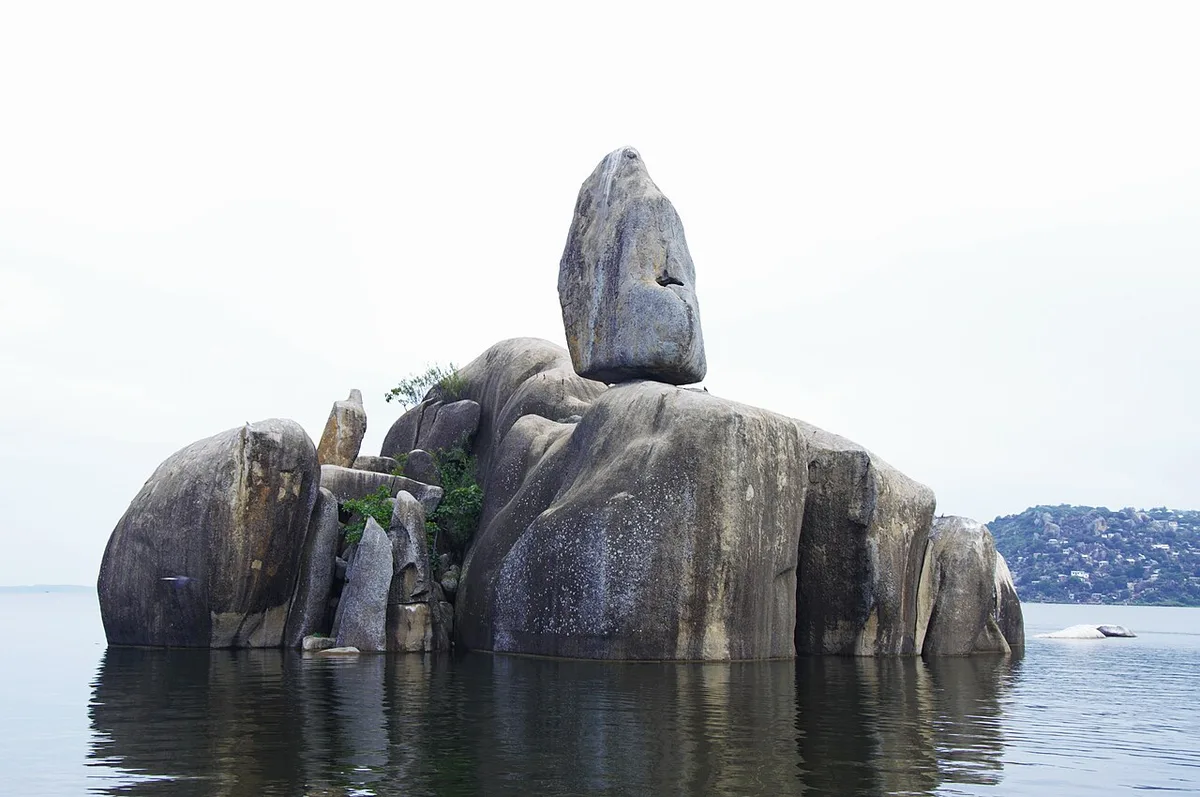
Mwanza, also known as 'Rock City,' is a port city and the capital of Mwanza Region on the southern shore of Lake Victoria in north-western Tanzania. It is Tanzania's second largest city by urban population, with 1,104,521 residents recorded in the 2022 census. The city is administratively divided into two municipal districts, Ilemela and Nyamagana, and features a tropical savanna climate tempered by its altitude of 1,140 meters, with average temperatures around 23.5°C and a lengthy wet season from October through May. Mwanza serves as a gateway to nearby national parks, including Saanane Island National Park located on a rocky island just 500 meters from Capri Point, and the westernmost gate of Serengeti National Park approximately 150 kilometers away by road.

Zanzibar City
destination

Zanzibar City

destination

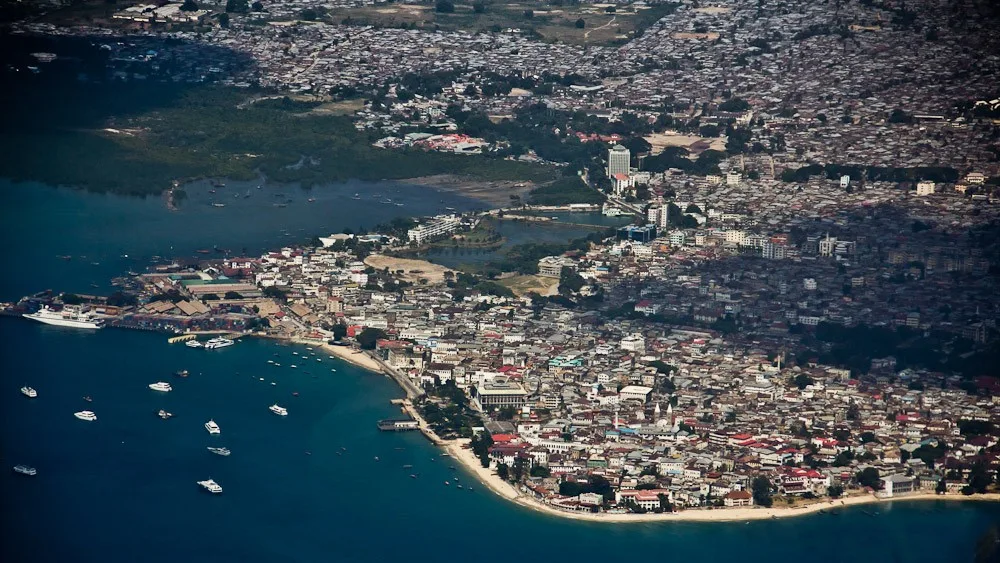
Zanzibar City, also known as Mjini District, is the largest city on the island of Zanzibar and the capital of the Zanzibar Urban/West Region. Located on the west coast of Unguja, the main island of the Zanzibar Archipelago, it is a historic port city and the gateway to the archipelago. The city is composed of two main parts: Stone Town, the historical core and former capital of the Zanzibar Sultanate, and Ng'ambo, a larger modern area that developed after the Zanzibar Revolution. Stone Town was declared a UNESCO World Heritage Site in 2000 for its unique architecture and culture. The city is served by Abeid Amani Karume International Airport.

Arusha
destination

Arusha

destination

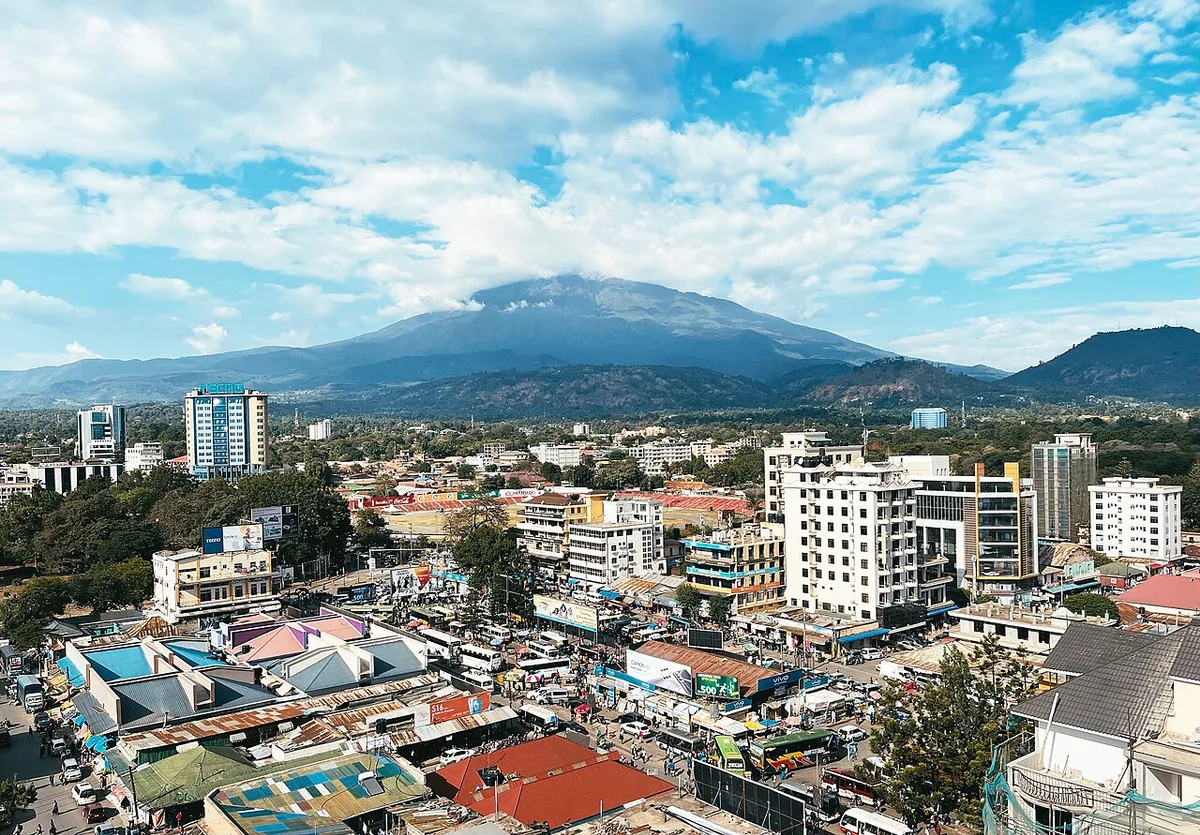
Arusha is a city in Tanzania and the capital of the Arusha Region, located below Mount Meru on the eastern edge of the eastern branch of the Great Rift Valley. It is a major international diplomatic hub, hosting the African Court of the African Union and serving as the capital of the East African Community. The city is a classic safari gateway, situated close to Serengeti National Park, Ngorongoro Conservation Area, Lake Manyara National Park, Olduvai Gorge, Tarangire National Park, Mount Kilimanjaro, and Mount Meru in Arusha National Park. Arusha has a temperate climate and a multicultural population of mixed indigenous African, Arab-Tanzanian, and Indian-Tanzanian backgrounds, plus small European and North American minorities. The city was incorporated as a town in 1948 and granted city status in 2012.

Puerto Princesa
destination

Puerto Princesa

destination

Puerto Princesa is a highly urbanized city in the Mimaropa region of the Philippines, located in the western province of Palawan. It is the westernmost city in the country and serves as the capital of Palawan. Known as the 'Eco-Tourism Center of the Philippines,' the city is a gateway to natural attractions, including the Puerto Princesa Subterranean River National Park. The city was founded on March 4, 1872, achieved cityhood on January 1, 1970, and became a highly urbanized city on July 21, 2007. It is named after Infanta Eulalia of Spain, originally called Puerto de la Princesa. As of the 2024 census, the city has a population of 316,384 people.

Iloilo
destination

Iloilo

destination

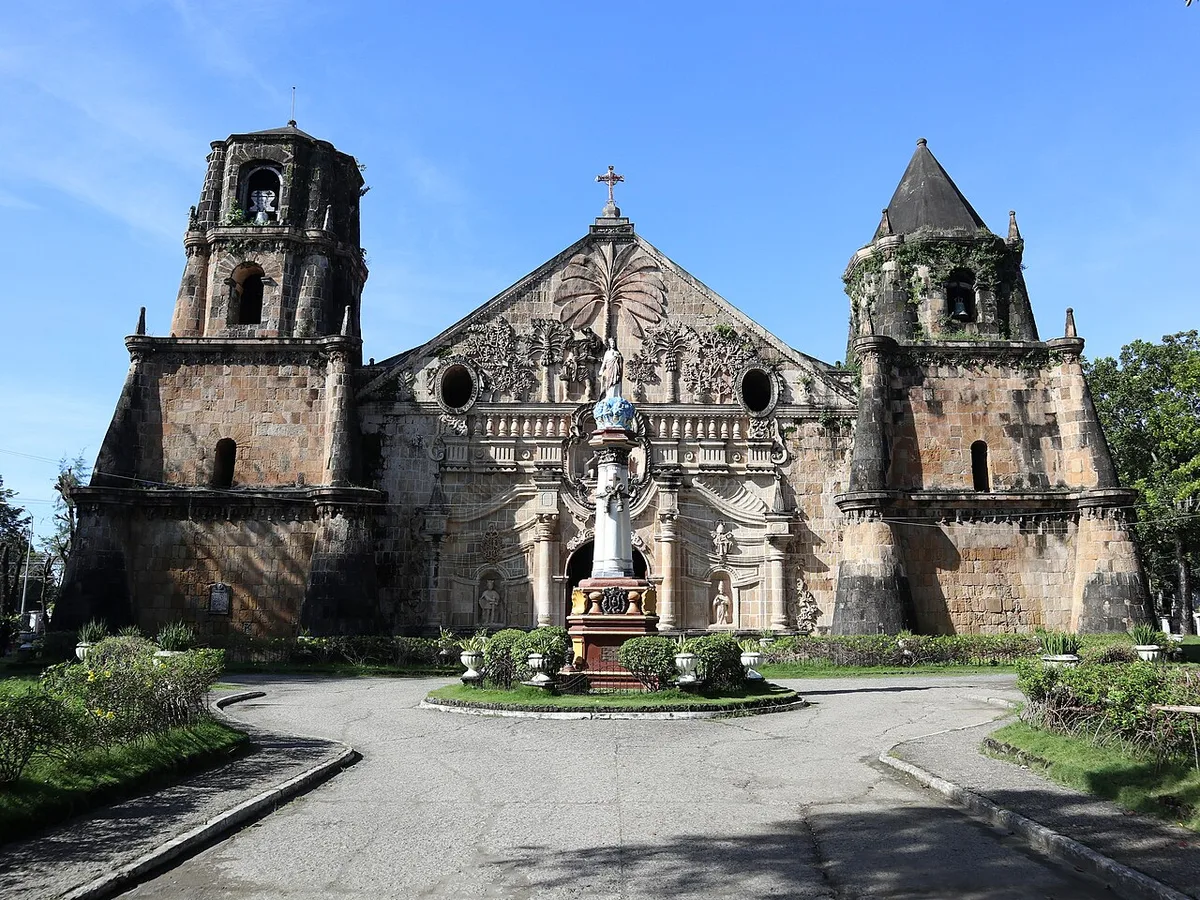
Iloilo is a province in the Western Visayas region of the Philippines, occupying the southeast portion of Panay Island. Its capital and largest city is Iloilo City, the regional center of Western Visayas. The province is known for its rich history and cultural heritage, particularly in the south, which is home to Spanish-era historic sites including the Miag-ao Church, a UNESCO World Heritage Site. The northern part of the province is known for beaches and islands, including the Islas de Gigantes. Iloilo is often described as an underestimated food and heritage city, offering a distinct blend of colonial history, culinary culture, and island escapes.

Davao City
destination

Davao City

destination

Davao City is a major urban center on the southern Philippine island of Mindanao, known for its durian fruit, nearby Mount Apo, and a distinct regional identity. It is often described as an underestimated southern city, offering a different pace and character compared to Manila or Cebu. Travelers should expect a large, organized city that serves as a gateway to the natural attractions of the Davao Region, including beaches, mountains, and wildlife. The city is a hub for commerce and government in Mindanao, with a mix of modern development and local cultural traditions.

Cebu City
destination

Cebu City

destination

Cebu City is a highly urbanized city in Central Visayas, Philippines, and the provincial capital of Cebu. Known as the 'Queen City of the South,' it is one of the country's oldest cities and a major gateway to the Visayas. The city is a blend of historical significance and modern urban development, featuring landmarks such as Magellan's Cross, the Basilica Minore del Santo Niño, and Fort San Pedro, alongside a growing business district. It serves as a classic island gateway for travelers exploring the Philippines, offering a mix of cultural heritage, urban amenities, and access to nearby islands and beaches.

Ipoh
destination

Ipoh

destination

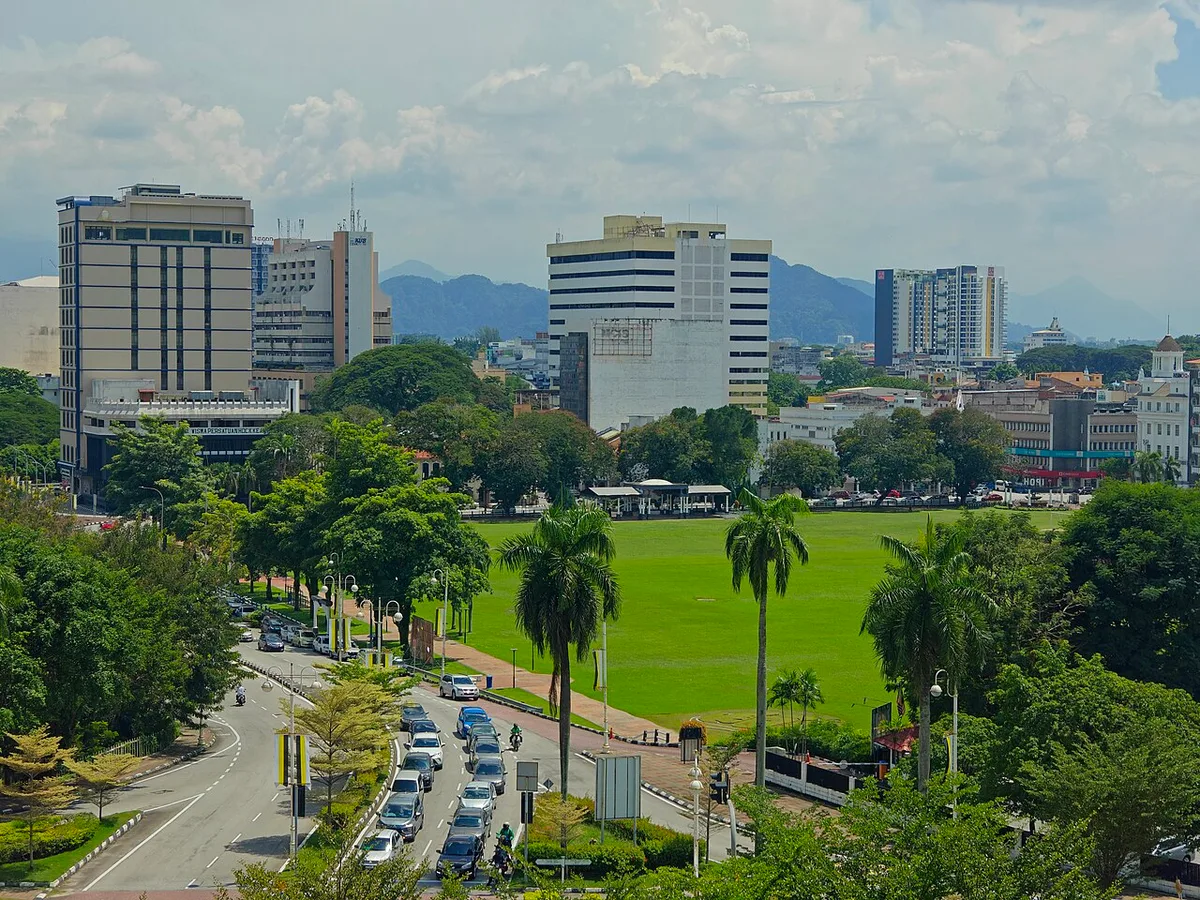
Ipoh is the capital city of the Malaysian state of Perak, located on the Kinta River nearly 200 km north of Kuala Lumpur and 150 km southeast of George Town in Penang. The city is known for its British colonial-era architecture, distinctive local cuisine, and natural attractions including limestone hills and caves with Buddhist temples. Historically a tin-mining boomtown that grew rapidly in the 1880s, Ipoh later declined after tin prices collapsed in the 1970s, but has since gained popularity as an international tourist destination. Travelers come for its food scene, heritage buildings, and karst landscapes, with tourism now a main driver of the city's economy.

Kota Kinabalu
destination

Kota Kinabalu

destination

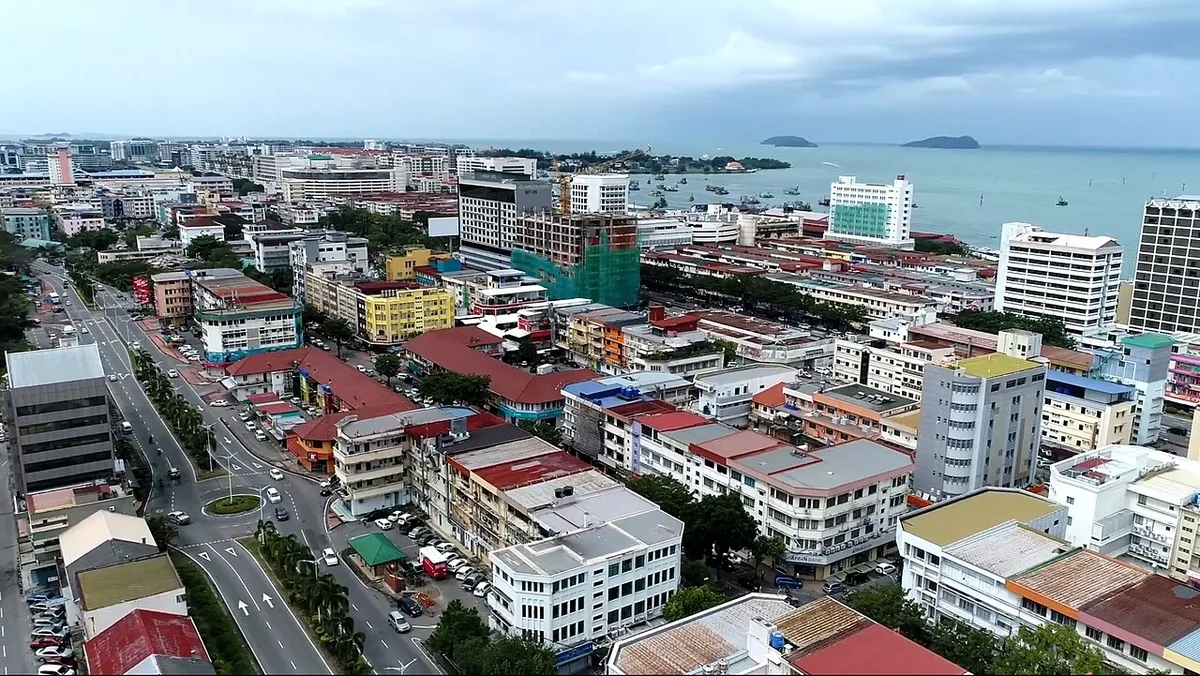
Kota Kinabalu (KK), the state capital of Sabah on the northwest coast of Borneo, is a compact city that serves as a gateway to both island and mountain adventures. It sits facing the South China Sea, with Tunku Abdul Rahman National Park to its west and Mount Kinabalu to its east. The city blends a modern skyline with coastal views, a waterfront, and easy access to nature. It is known as a practical base for exploring Sabah's natural attractions, including nearby islands, national parks, and the namesake mountain, rather than as a destination for its urban sights alone.

Malacca
destination

Malacca

destination

Malacca (Melaka), officially the Historic State of Malacca, is a Malaysian state on the southern Malay Peninsula facing the Strait of Malacca. Its capital, Malacca City, is a UNESCO World Heritage Site. The city is known for its layered colonial history, Portuguese, Dutch, and British, and its role as one of the earliest Malay sultanates and a historic international trade centre. Travelers come for the distinctive Peranakan culture, historic architecture, and riverside atmosphere. Note that Malacca City remains the official capital, while Ayer Keroh/Hang Tuah Jaya serves as the state administrative centre.

Penang
destination

Penang

destination

Penang is a Malaysian state on the northwest coast of Peninsular Malaysia, split by the Strait of Malacca into Penang Island (home to the capital George Town) and the mainland Seberang Perai, connected by the Penang Bridge and Second Penang Bridge. Founded by the British East India Company in 1786 as a free port, it became part of the Straits Settlements and later merged into the Federation of Malaya. Today it is one of Malaysia's most developed states, with the second-highest GDP per capita, and is culturally diverse with Chinese, Malay, Indian, Eurasian, Siamese, and expatriate communities. Travelers come for its classic food and heritage scene, centered on George Town's historic streets and the island's mix of colonial, Chinese, and Malay influences.

Kuala Lumpur
destination

Kuala Lumpur

destination

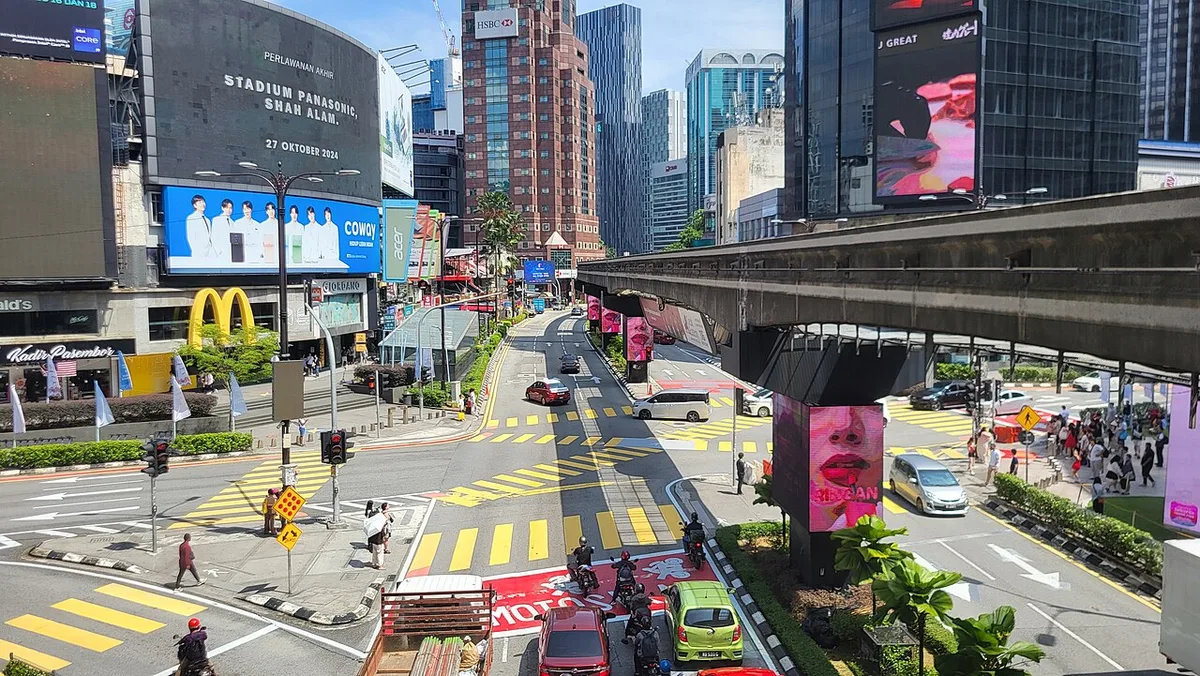
Kuala Lumpur (KL) is the federal capital and most populous city of Malaysia, serving as the country's cultural, financial, tourism, political, and economic centre. Established around 1857 and granted city status on 1 February 1972, it became a federal territory on 1 February 1974. The city covers 243 km² and, as of Q1 2024, had a population of 2,075,600, with Greater Kuala Lumpur (including the Klang Valley) forming an urban agglomeration of about 8.81 million people. KL is known for landmarks such as the KLCC skyline, Merdeka 118, Petaling Street, the National Mosque, and the National Palace. It has a tropical rainforest climate (Af) and operates on Malaysia Standard Time (UTC+8).

Roskilde
destination

Roskilde

destination

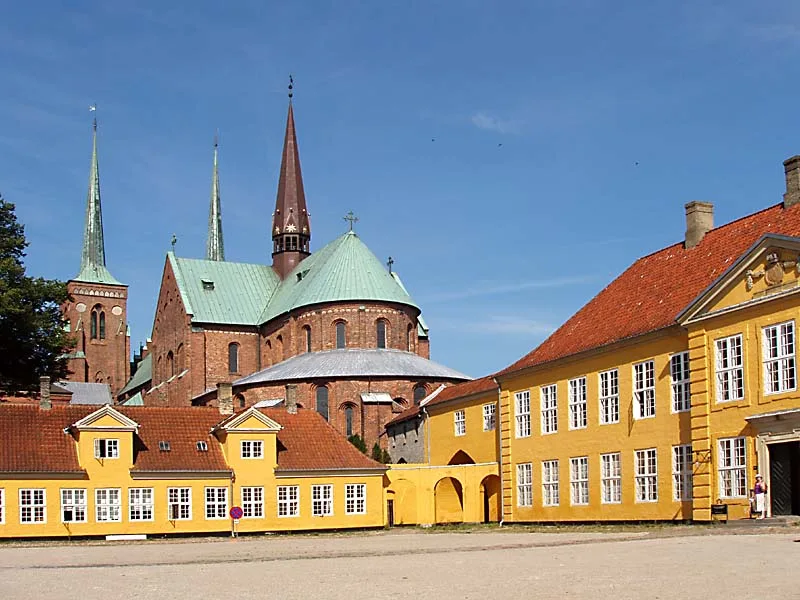
Roskilde is a historic city on the Danish island of Zealand, about 30 km west of Copenhagen. It is one of Denmark's oldest cities, with roots dating to the Viking Age, and served as the country's capital from the 11th century until 1443. The city is known for its UNESCO-listed Gothic cathedral, completed in 1275, which houses the tombs of Danish monarchs, and for the Viking Ship Museum, which preserves the remains of five 11th-century ships. Today, Roskilde functions as a business and educational centre for the region, with a university founded in 1972, and is also home to an annual rock festival. Its two centrally located pedestrian streets offer shopping, restaurants, and cafés.

Odense
destination

Odense

destination

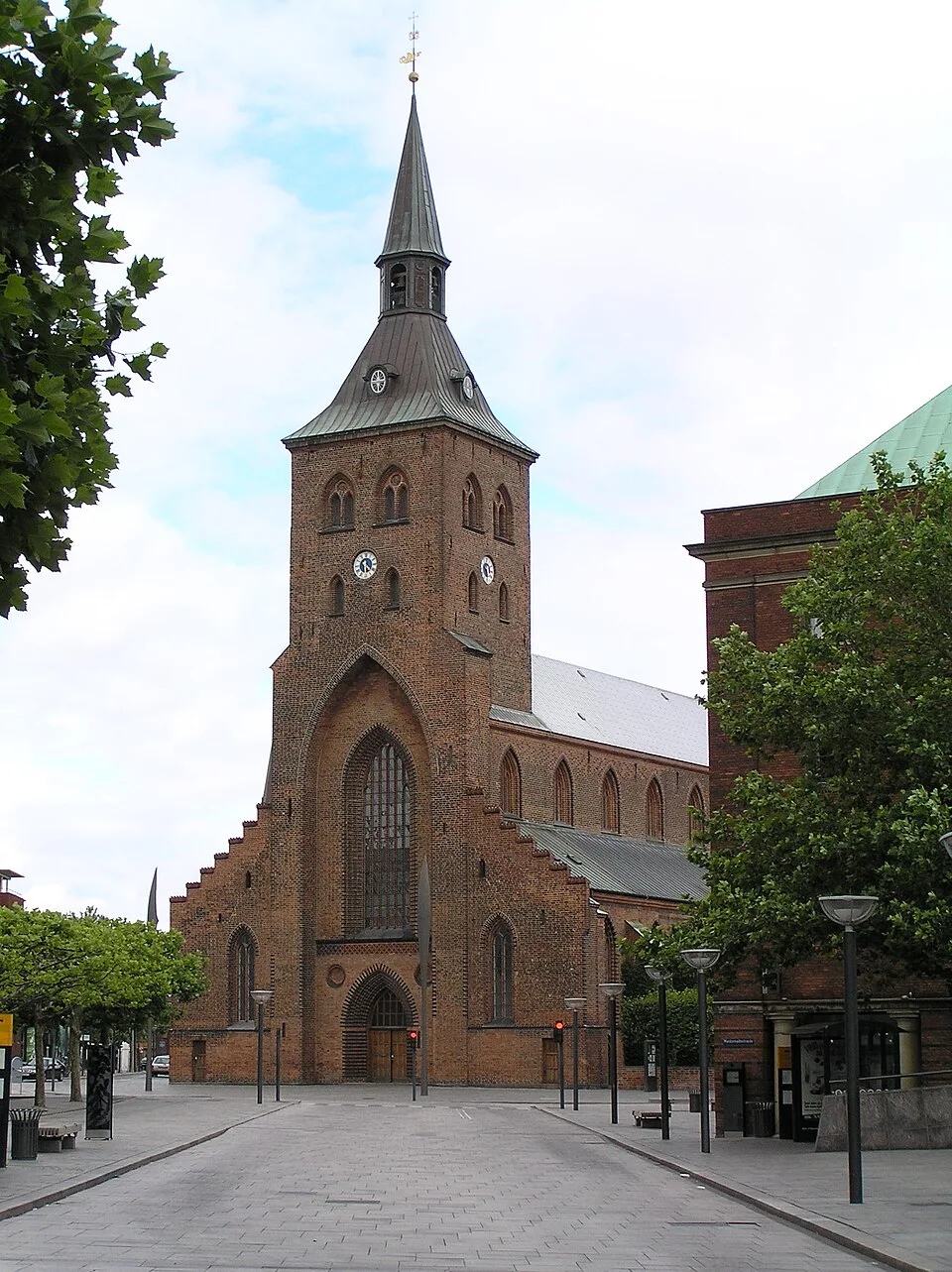
Odense is Denmark's third-largest city and the largest on the island of Funen, known as the birthplace of Hans Christian Andersen. The city blends a historic core with a modern reputation as a leading robotics hub, offering visitors a mix of fairy-tale heritage, Viking history, and contemporary Danish culture.

Copenhagen
destination

Copenhagen

destination

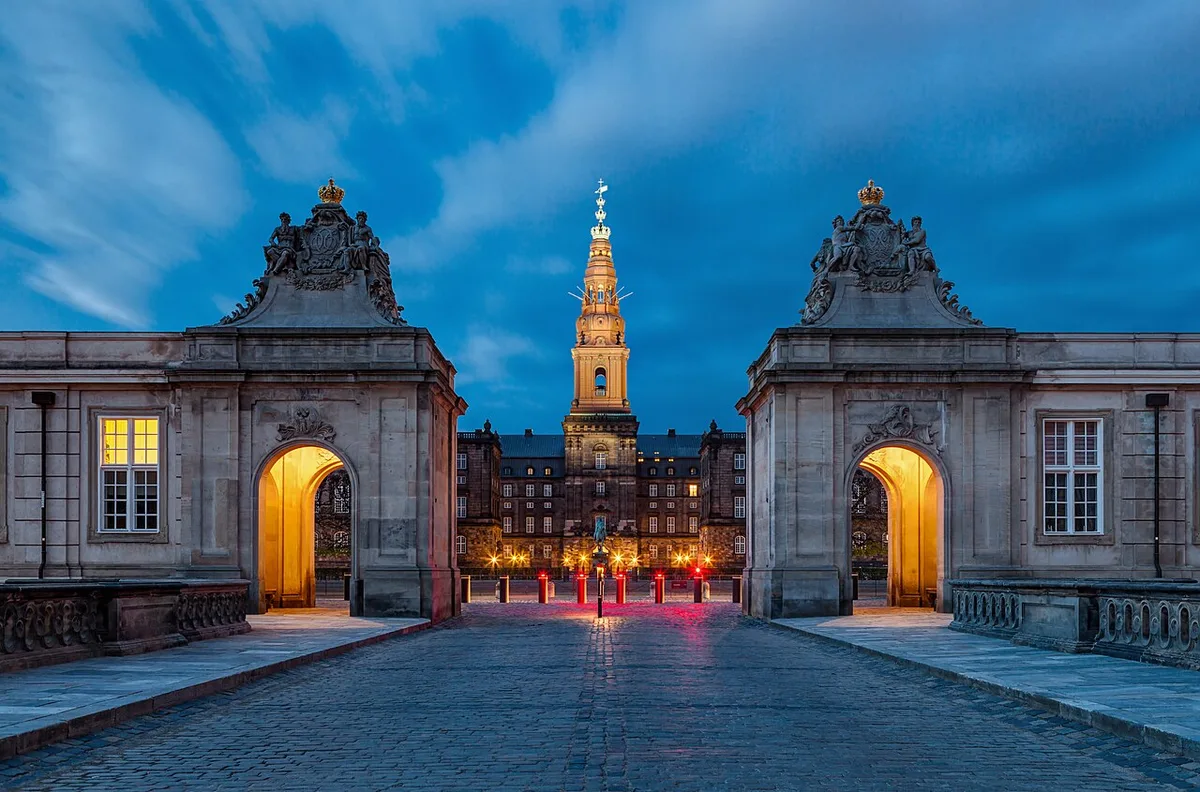
Copenhagen is the capital and most populous city of Denmark, situated mainly on the island of Zealand with a smaller part on Amager. It is separated from Malmö, Sweden, by the Øresund strait, and the Øresund Bridge connects the two cities by rail and road. The city is the cultural, economic, and governmental centre of Denmark and one of the major financial centres of Northern Europe. Its cityscape is characterised by parks, promenades, and waterfronts, with landmarks such as Tivoli Gardens, the Little Mermaid statue, Amalienborg, and Christiansborg Palace. Settled as a Viking fishing village in the 10th century, it became the capital of Denmark in the early 15th century.

Kiruna
destination

Kiruna

destination

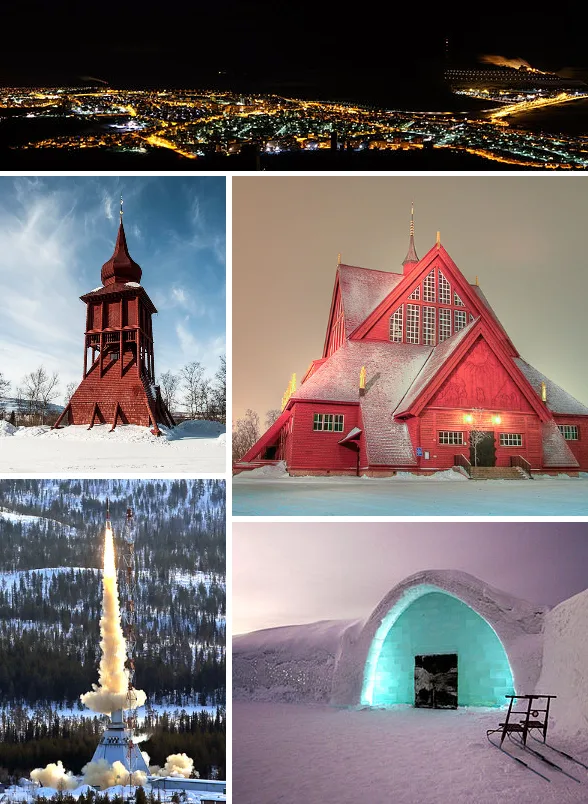
Kiruna is Sweden's northernmost city, situated in the province of Lapland within Norrbotten County. Founded in 1900 to serve the Kiruna iron ore mine, it sits at approximately 67°50′56″N 20°18′10″E. The city is known as a base for Arctic experiences, including the Icehotel in nearby Jukkasjärvi and the Esrange space center, established in the 1960s. Kiruna is also home to the Institute of Space Physics and Luleå University of Technology's Department of Space Science. The city's name means 'rock ptarmigan' in Sámi and Finnish, and it is known in Northern Sami as Giron, in Finnish as Kiiruna, and in Meänkieli as Kieruna.

Uppsala
destination

Uppsala

destination

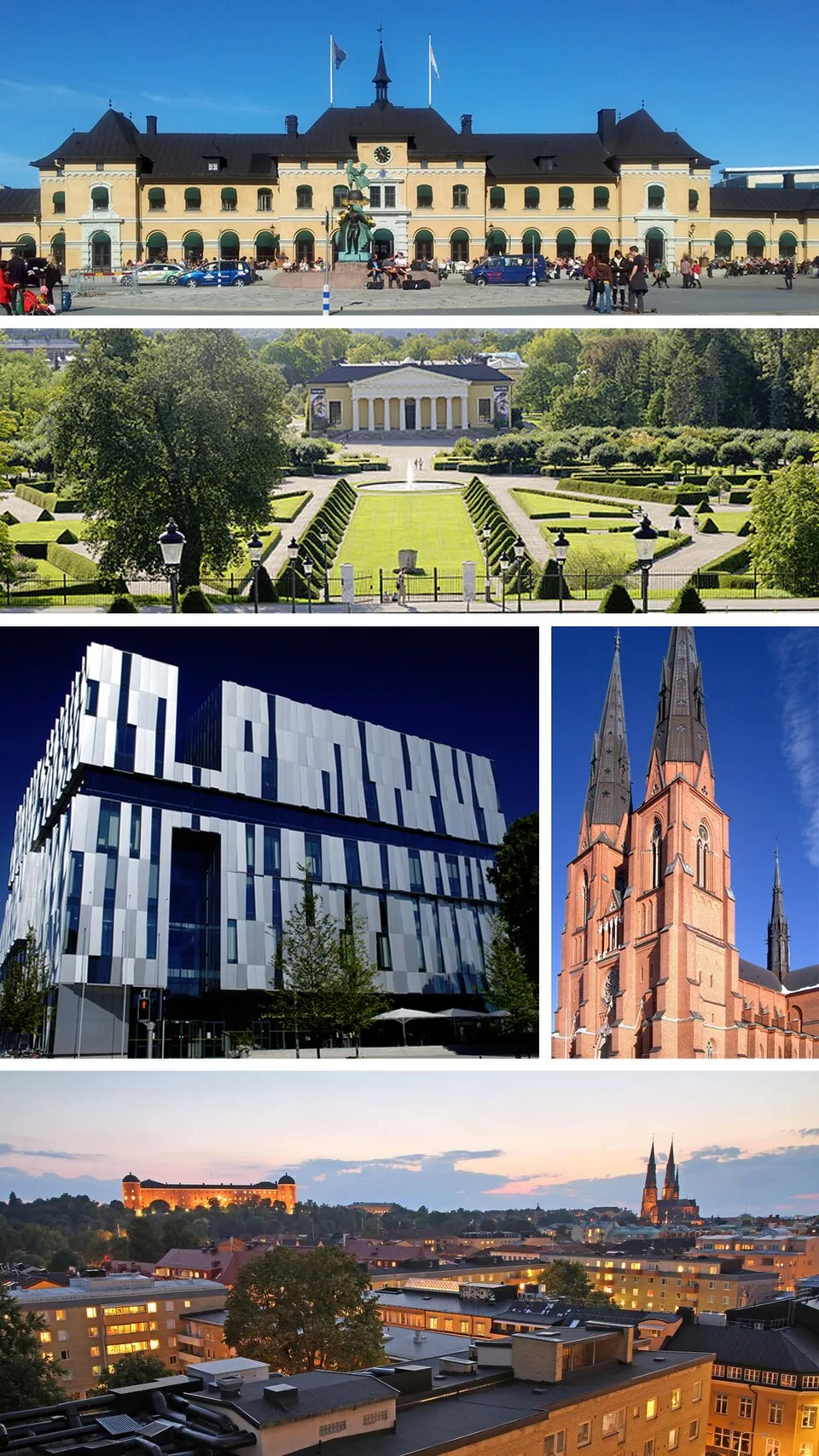
Uppsala is a university city in Sweden, the capital of Uppsala County, and the country's fourth-largest city. Located 71 km (44 mi) north of Stockholm, it has been the ecclesiastical centre of Sweden since 1164 as the seat of the Archbishop of the Church of Sweden. It is home to Scandinavia's largest cathedral, Uppsala Cathedral, and Uppsala University, founded in 1477, the oldest centre of higher education in Scandinavia. The city features the small Fyris River (Fyrisån) flowing through fertile flatlands, with the glacial ridge of Uppsalaåsen running parallel, site of Uppsala Castle. The commercial centre is compact, with a distinct town-and-gown divide historically separating clergy, royalty, and academia in the Fjärdingen neighbourhood on the river's western shore.

Gothenburg
destination

Gothenburg

destination

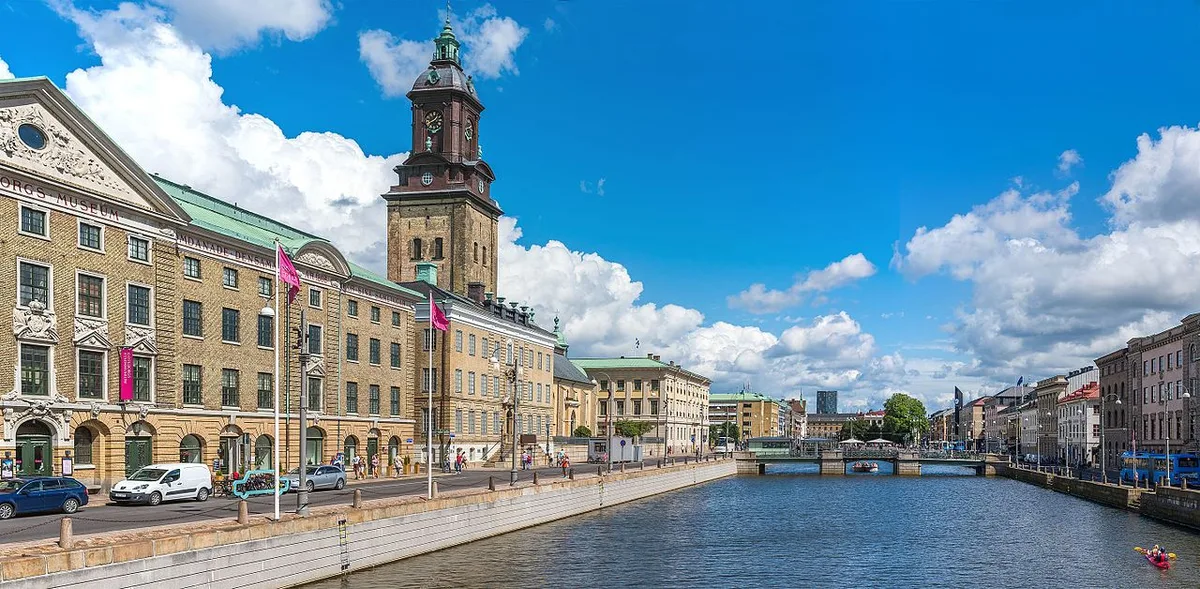
Gothenburg (Swedish: Göteborg) is Sweden's second-largest city and the fifth-largest in the Nordic countries, situated on the west coast by the Kattegat, about 400 km from Stockholm. Founded by royal charter in 1621 by King Gustavus Adolphus as a heavily fortified, primarily Dutch trading colony, it sits at the mouth of the Göta älv, where Scandinavia's largest drainage basin enters the sea. The city is the gubernatorial seat of Västra Götaland County and home to the University of Gothenburg and Chalmers University of Technology, giving it a strong student presence. Volvo was founded here in 1927, and both Volvo Cars and the Volvo Group remain headquartered on the island of Hisingen. Gothenburg is known for its maritime heritage, canals, and as a gateway to the Swedish west coast archipelago, offering a more relaxed, coastal alternative to Stockholm.

Stockholm
destination

Stockholm

destination

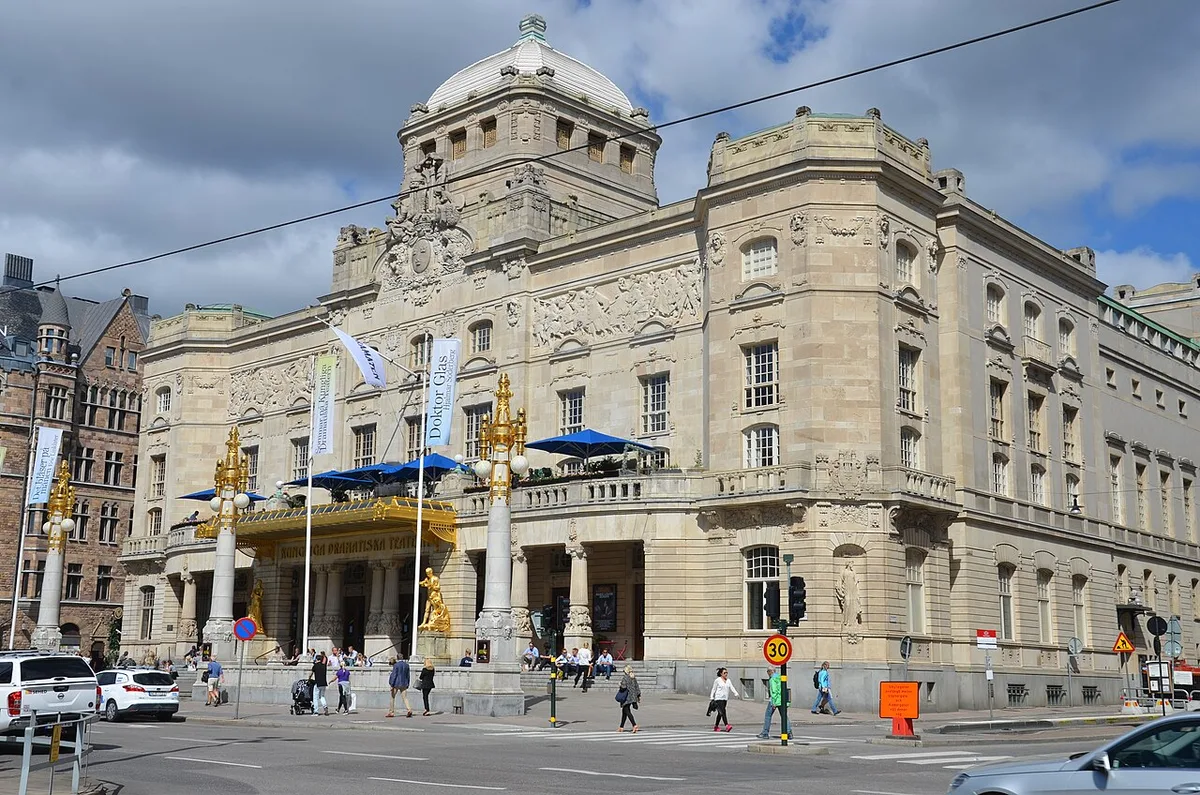
Stockholm is the capital and most populous city of Sweden, and the largest urban area in the Nordic countries. The city stretches across fourteen islands where Lake Mälaren flows into the Baltic Sea, with the Stockholm archipelago lying to the east. Founded as a city in 1252 by Swedish statesman Birger Jarl, it serves as Sweden's cultural, media, political, and economic centre. The Stockholm region alone accounts for over a third of the country's GDP and is among the top 10 regions in Europe by GDP per capita. The city is home to top-ranking universities such as the Karolinska Institute, KTH Royal Institute of Technology, Stockholm School of Economics, and Stockholm University, and hosts the annual Nobel Prize ceremonies. The Vasa Museum is one of its most prized museums and the most visited museum in Scandinavia. The Stockholm metro, opened in 1950, is well known for the decor of its stations and has been called the longest art gallery in the world.

Røros
destination

Røros

destination

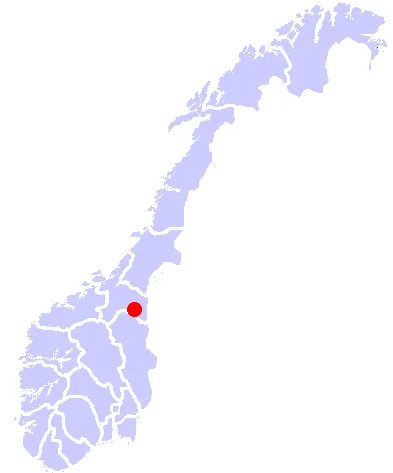
Røros is a town in Trøndelag county, Norway, known for its UNESCO World Heritage-listed mining town and the Circumference. Established in the 1600s due to copper mining that operated for over 300 years, the town's unique history still dominates. It is one of the coldest places in Europe during winter, with the lowest temperature measured in southern Norway at -50.4°C on 13 January 1914. The town is characterized by log buildings from the mining era and the notable Røros Church, also known as Bergstadens Ziir. Røros is accessible by rail via the Røros Line, by air via Røros Airport, and by road.

Tromsø
destination

Tromsø

destination

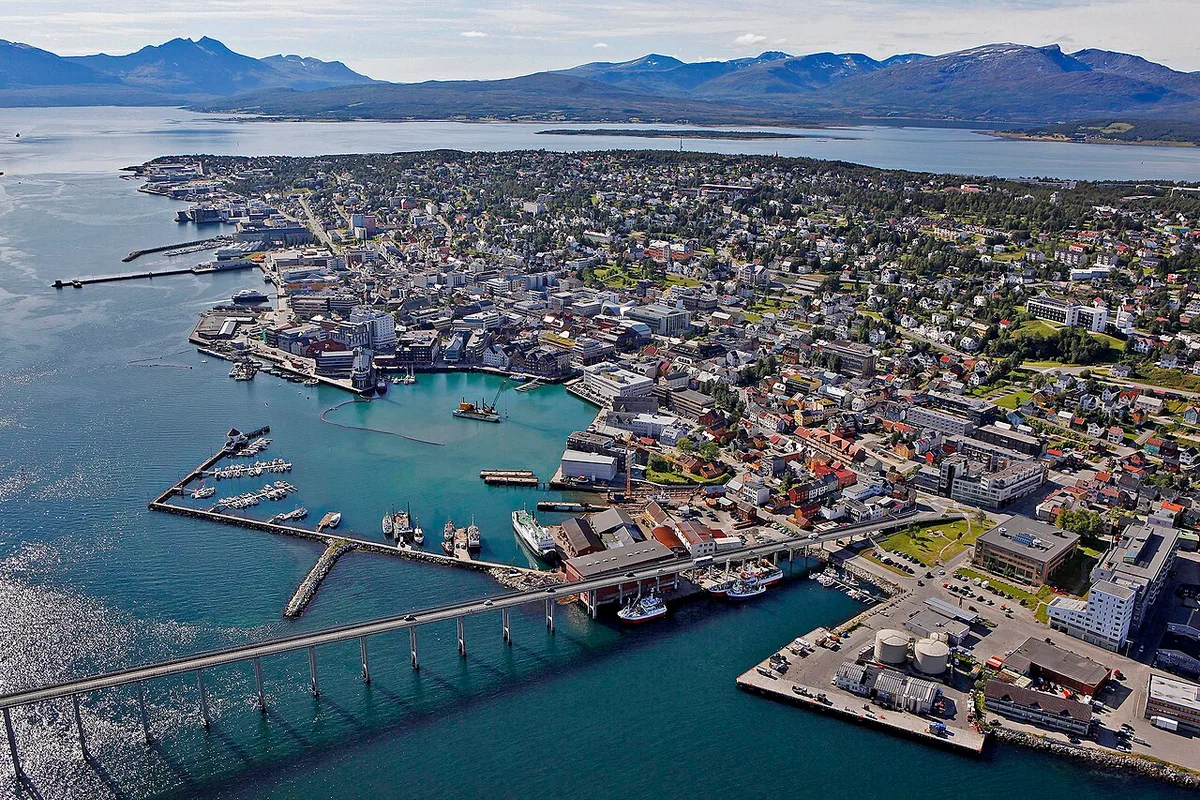
Tromsø is a city in Troms county, Norway, located on the island of Tromsøya in the Tromsøysundet strait, just off the mainland of Northern Norway. It is the administrative centre of both the municipality and the county. The city centre holds the highest number of old wooden houses in Northern Norway, the oldest dating from 1789, and the city is a cultural hub for the region with several summer festivals. Historically known as the 'Paris of the North' since the 19th century, Tromsø became a major Arctic trade centre from which many Arctic expeditions originated, with explorers like Roald Amundsen, Umberto Nobile, and Fridtjof Nansen recruiting crews there. In 2026, Tromsø holds the title of European Youth Capital, becoming the northernmost city to ever receive this designation, with a year-long programme focused on empowering young people in the Arctic region and fostering youth participation in local governance.

Bergen
destination

Bergen

destination

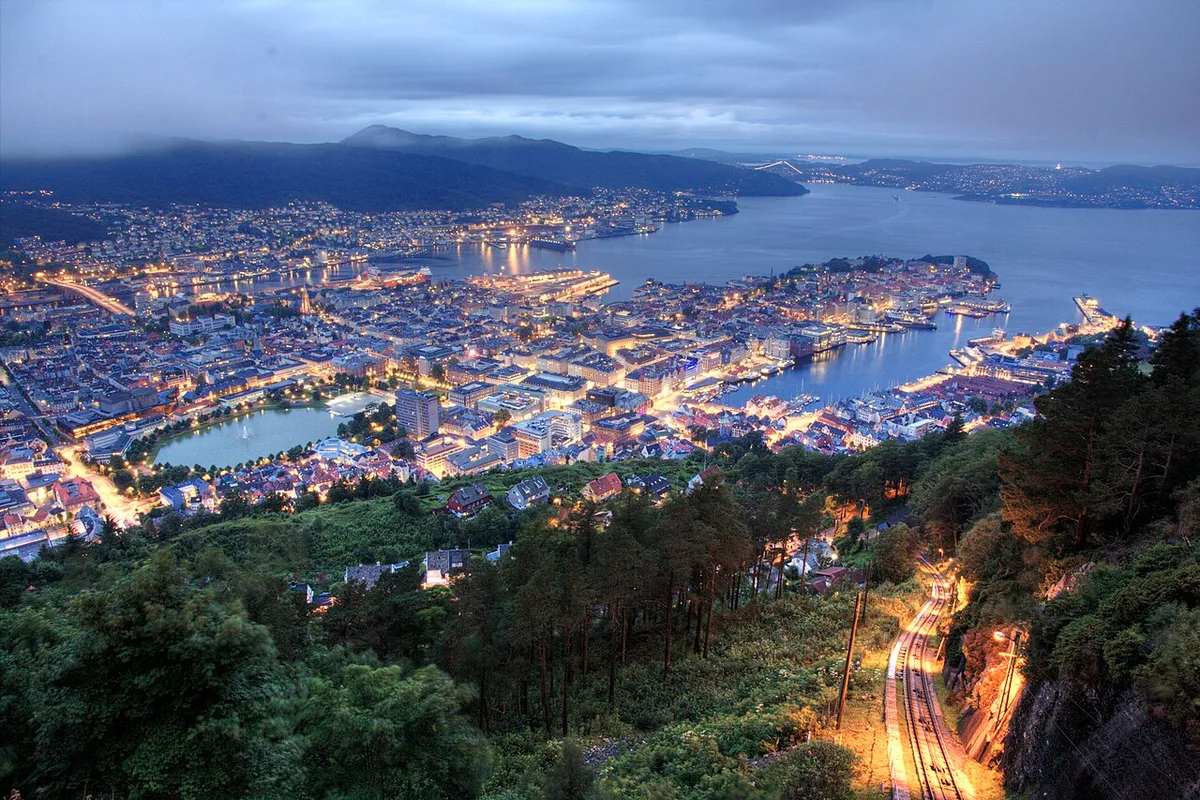
Bergen is a city and municipality in Vestland county on the west coast of Norway, and the country's second-largest city after Oslo. It is surrounded by mountains, which has led to its nickname as the 'city of seven mountains'. The city centre and northern neighbourhoods sit on Byfjorden, 'the city fjord'. Bergen is the administrative centre of Vestland county and consists of eight boroughs: Arna, Bergenhus, Fana, Fyllingsdalen, Laksevåg, Ytrebygda, Årstad, and Åsane. The municipality covers 465 square kilometres and is on the peninsula of Bergenshalvøyen. Bergen is an international centre for aquaculture, shipping, the offshore petroleum industry, and subsea technology, and a national centre for higher education, media, tourism, and finance. The city has a mild winter climate with significant precipitation, experiencing around 200 days a year with over a millimetre of precipitation.

Oslo
destination

Oslo

destination

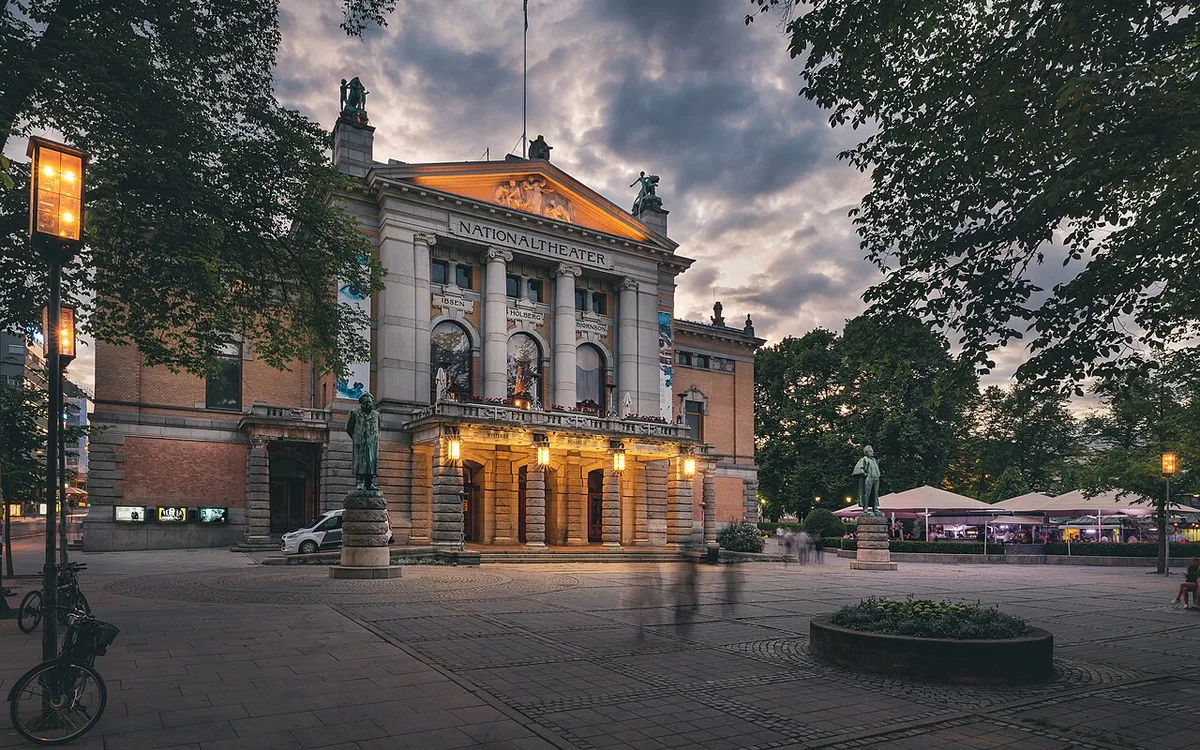
Oslo is the capital and most populous city of Norway, established in 1048. It is located in the Østlandet district and serves as both a municipality and a county. The city is known for landmarks such as the Akershus Fortress, the National Theatre, the Munch Museum, and the Frogner district. Oslo's urban area has a population of 1,110,887, while the metropolitan area has 1,588,457 residents. The city's highest point is Kjerkeberget at 631 meters, and its lowest is at Oslofjorden at 1 meter. Oslo operates on Central European Time (UTC+01:00) with daylight saving time in summer (UTC+02:00).

Ostrava
destination

Ostrava

destination

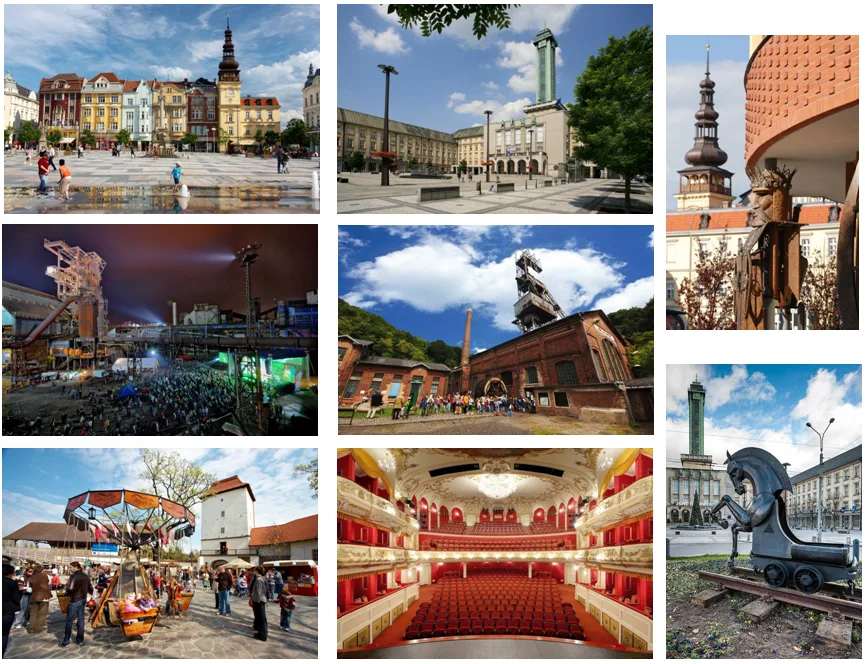
Ostrava is a city in the northeast of the Czech Republic, capital of the Moravian-Silesian Region, near the Polish border at the confluence of four rivers: Oder, Opava, Ostravice, and Lučina. It is the third largest city in the country by population and area, the second largest in Moravia, and the largest in Czech Silesia, straddling the historic border of Moravia and Silesia. Once known as the 'steel heart' of Czechoslovakia due to its coal-mining and metallurgical past, Ostrava has transformed since the Velvet Revolution, with the last coal mined in the city in 1994. Today, remnants of its industrial heritage, such as the Lower Vítkovice area, a former coal-mining, coke production, and ironworks complex, remain visible. The city hosts cultural events like the Colours of Ostrava music festival, Janáček May classical music festival, Summer Shakespeare Festival, and NATO Days, and is home to two public universities: the Technical University of Ostrava and the University of Ostrava.

Olomouc
destination

Olomouc

destination

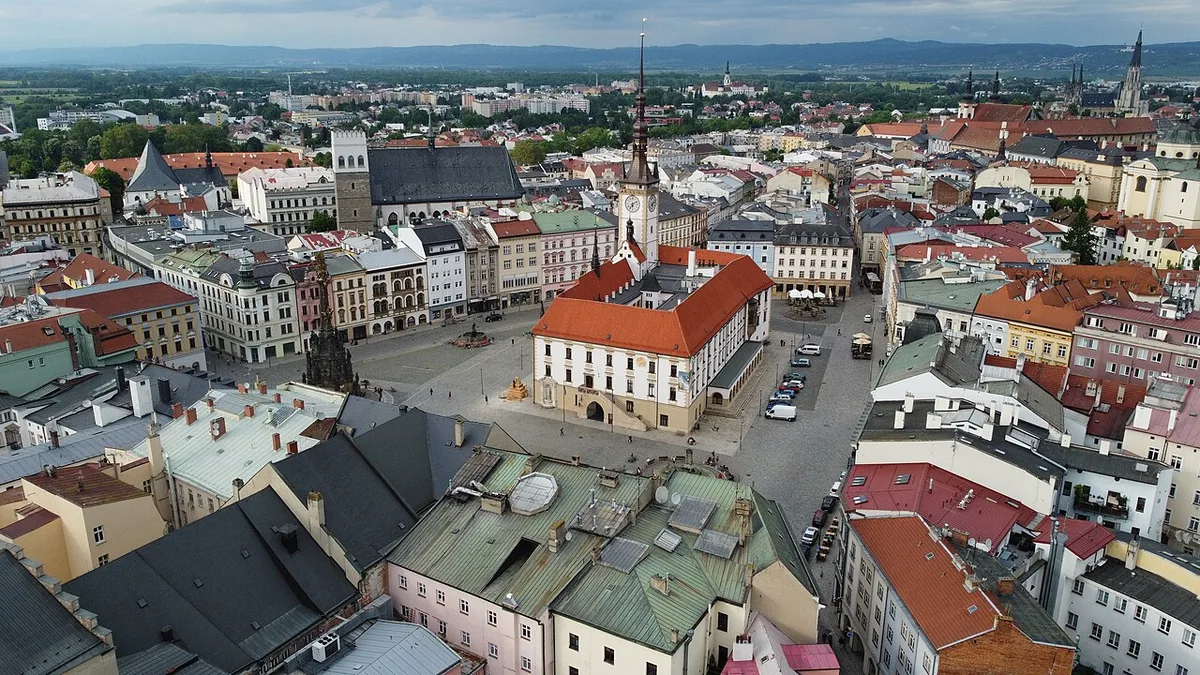
Olomouc is a historic city in the Czech Republic, located on the Morava River and serving as the administrative centre of the Olomouc Region. With roughly 105,000 inhabitants, it is the country's sixth-largest city. Its well-preserved historic centre is protected as an urban monument reservation, and the Holy Trinity Column was inscribed as a UNESCO World Heritage Site in 2000 for its quintessential Baroque style and symbolic value. The city is often described as an underestimated heritage destination, offering a compact, walkable core with significant architectural and cultural depth.

Český Krumlov
destination

Český Krumlov

destination

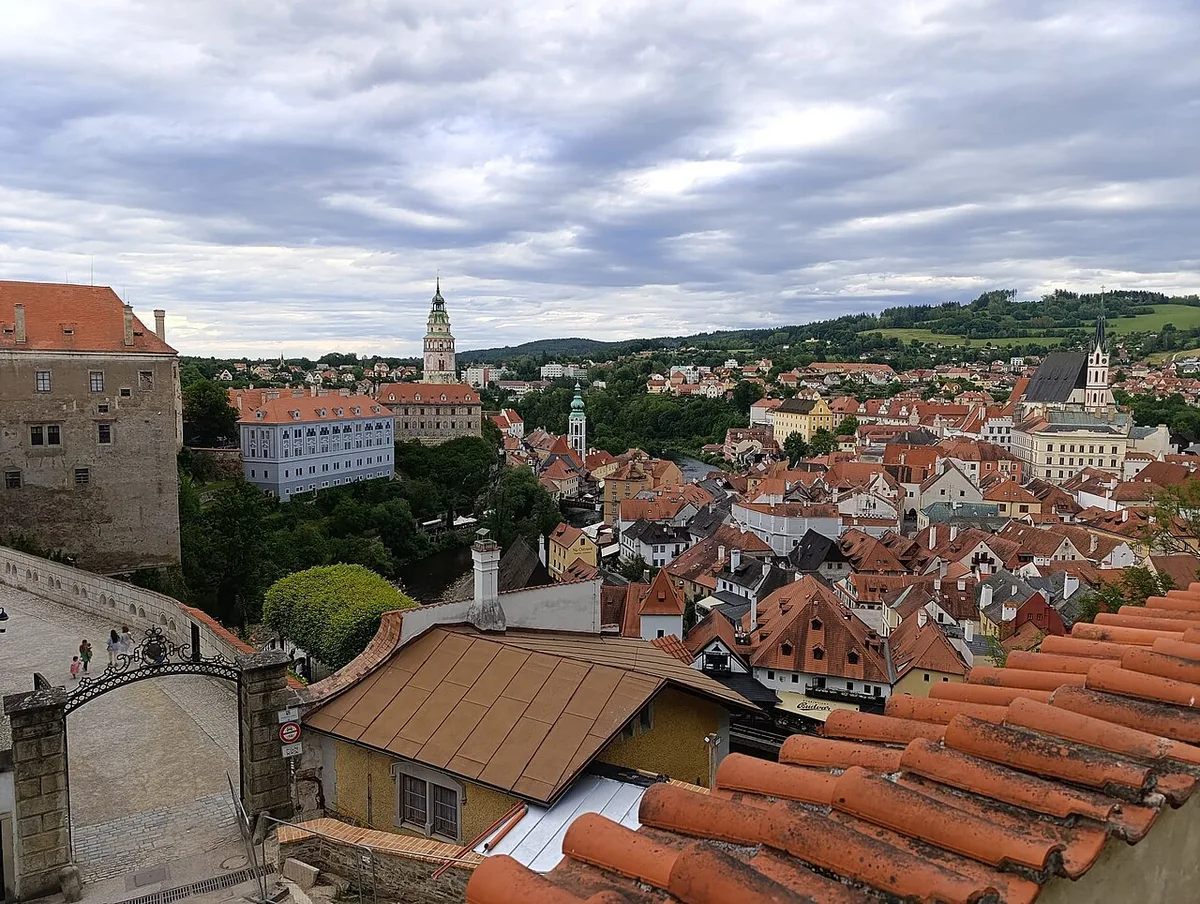
Český Krumlov is a town in the South Bohemian Region of the Czech Republic, situated on both banks of the Vltava River in the Bohemian Forest Foothills. It is known as a tourist centre and is among the most visited places in the country. The historic centre with the Český Krumlov Castle complex is protected as an urban monument reservation and, since 1992, has been a designated UNESCO World Heritage Site because of its well-preserved Gothic, Renaissance, and Baroque architecture. The town was first mentioned in 1253 and has about 13,000 inhabitants.

Brno
destination

Brno

destination

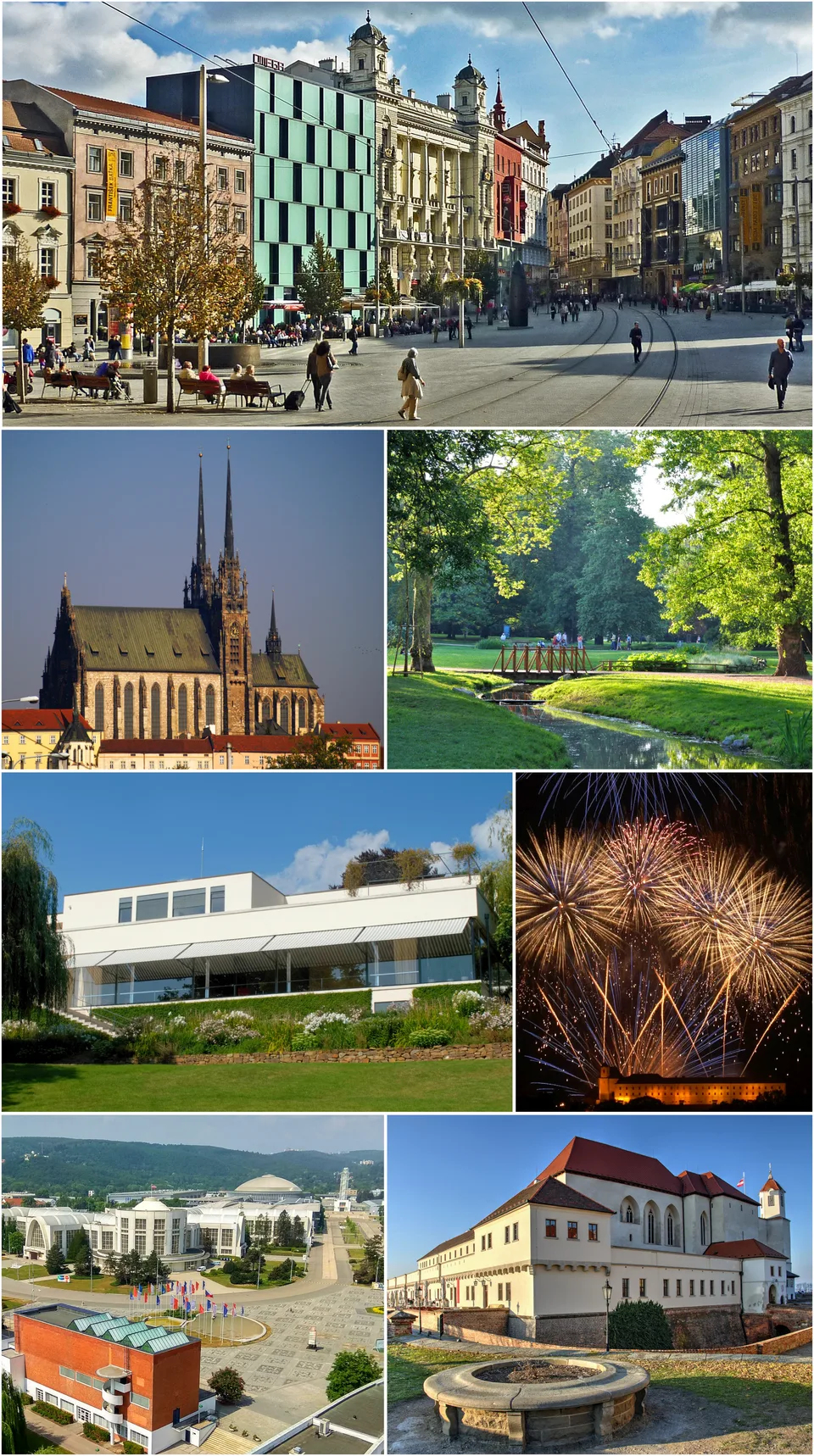
Brno is the second-largest city in the Czech Republic, located in the South Moravian Region at the confluence of the Svitava and Svratka rivers. It is a city of medieval landmarks, functionalist architecture, and a strong student and cultural scene. Brno is an important centre of the Czech judiciary, hosting the Constitutional Court, the Supreme Court, and the Supreme Administrative Court, and is also a significant hub for higher education with over 65,000 students. The city is known for the historic Špilberk Castle, the Cathedral of Saints Peter and Paul, and the UNESCO-listed Villa Tugendhat. Brno is a member of the UNESCO Creative Cities Network and was designated a 'City of Music' in 2017. The Brno Exhibition Centre is one of the largest in Europe, and the city hosts the international fireworks competition Ignis Brunensis, which attracts over a million visitors annually.

Queenstown
destination

Queenstown

destination

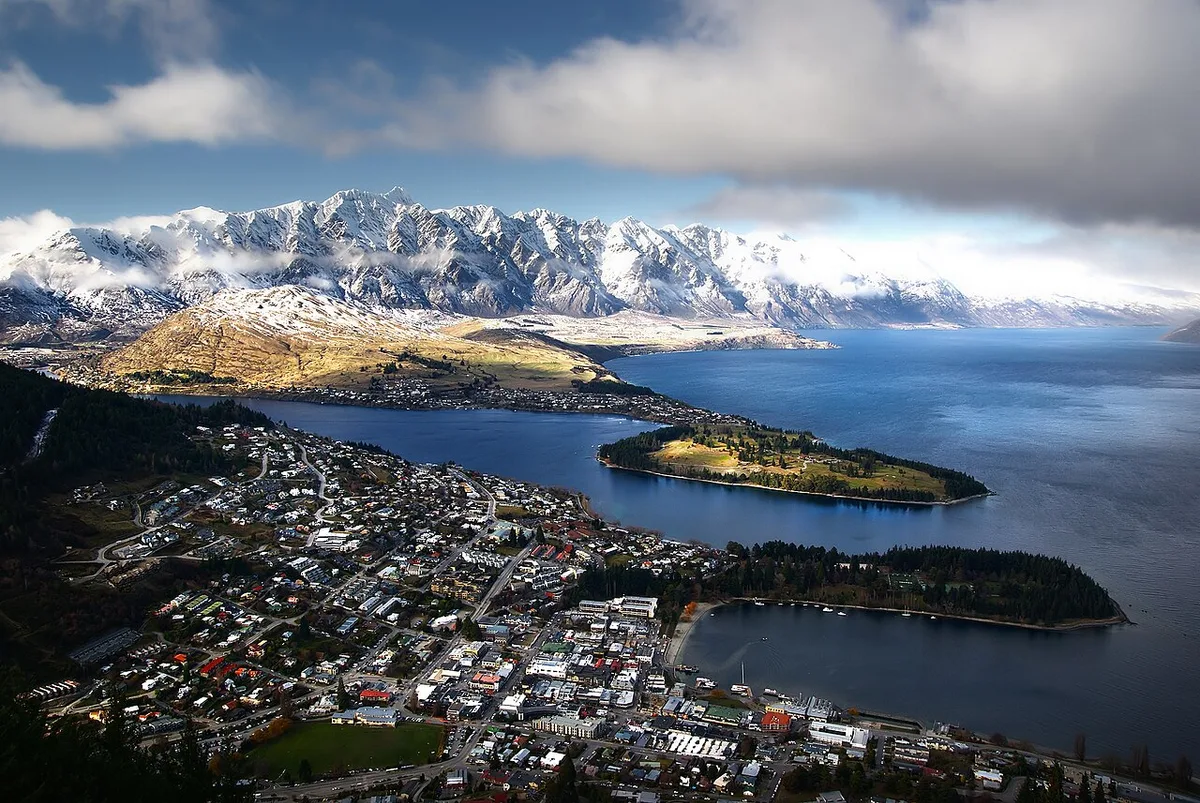
Queenstown (Māori: Tāhuna) is a resort town in Otago in the south-west of New Zealand's South Island. It sits on the northwestern edge of Lake Wakatipu, a long, thin, S-shaped lake formed by glacial processes, with views of nearby mountains such as The Remarkables, Cecil Peak, Walter Peak, and, just above the town, Ben Lomond and Queenstown Hill. Known for its tourism businesses, especially adventure and ski tourism, Queenstown is the largest town in the Queenstown-Lakes District and its primary administrative centre. The town is at a relatively low altitude for a ski and snowboarding centre, at 310 metres above sea level at the lake shore, but is nestled among mountains, most notably The Remarkables to the town's southeast. Queenstown lies close to the heart of the Central Otago wine region.

Prague
destination

Prague

destination

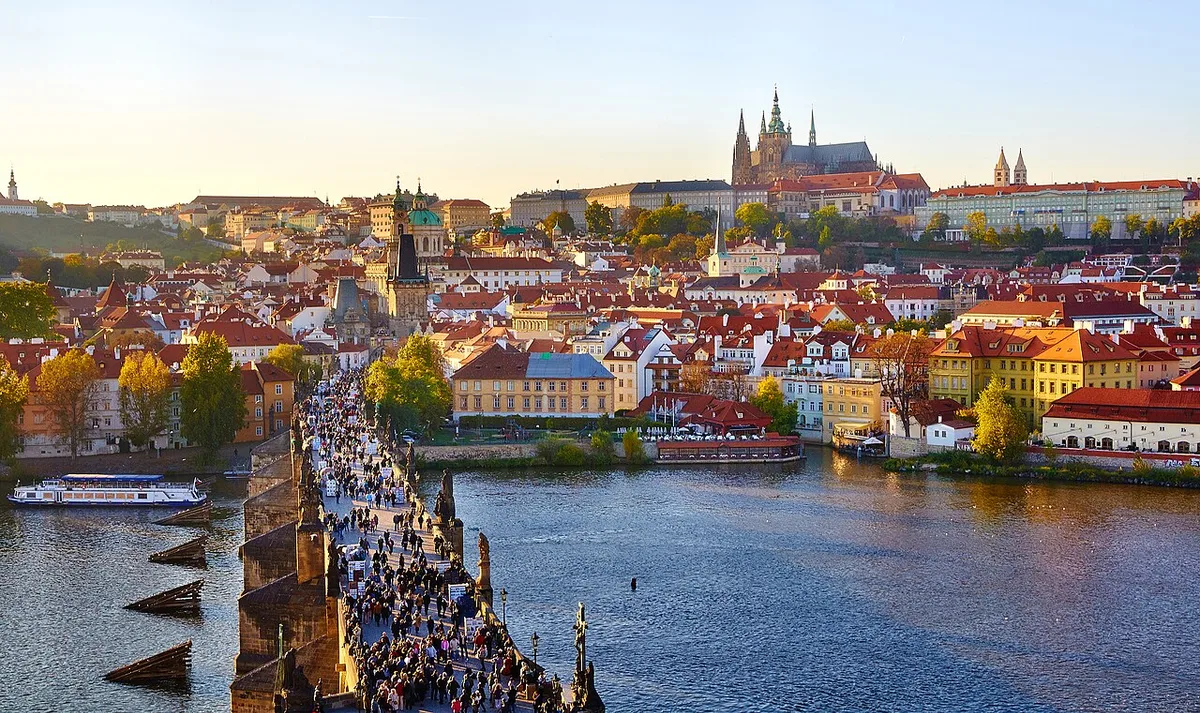
Prague is the capital and largest city of the Czech Republic, located on the Vltava River. It is a historical city with Romanesque, Gothic, Renaissance, and Baroque architecture, and was the capital of the Kingdom of Bohemia and residence of several Holy Roman Emperors. The historic centre of Prague has been a UNESCO World Heritage Site since 1992. The city is home to cultural attractions including Prague Castle, Charles Bridge, Old Town Square with the Prague astronomical clock, the Jewish Quarter, Petřín hill, and Vyšehrad. Prague has an extensive modern public transportation system and is home to Charles University, the oldest university in Central Europe. Its rich history makes it a popular tourist destination, receiving more than 8.5 million international visitors annually as of 2017.

Trujillo
destination

Trujillo

destination

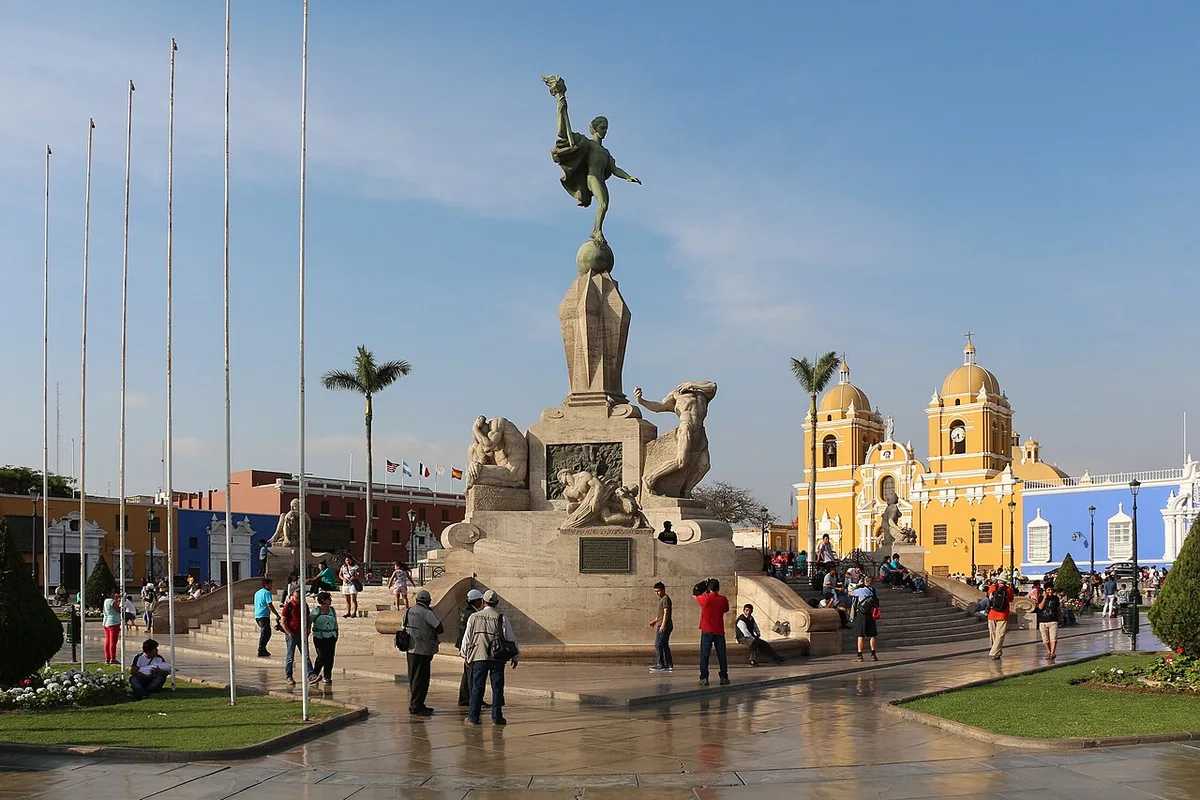
Trujillo is a city in coastal northwestern Peru and the capital of the Department of La Libertad. It is the third most populous city and the center of the third most populous metropolitan area of Peru. Located on the banks of the Moche River near its mouth at the Pacific Ocean, the city sits in the Moche Valley, a site of the great prehistoric Moche and Chimu cultures before the Inca conquest. Known as the 'City of Everlasting Spring' and the 'Capital of Peruvian Culture,' Trujillo is a classic historic city destination. Its Historic Centre was the site where the Independence of Trujillo from Spain was proclaimed on December 29, 1820. The city is also nicknamed the 'National Capital of the Marinera' and the 'Cradle of the Peruvian Paso.' Nearby places include the beach town of Huanchaco, Lake Conache, and the ancient adobe city of Chan Chan.

Osijek
destination

Osijek

destination

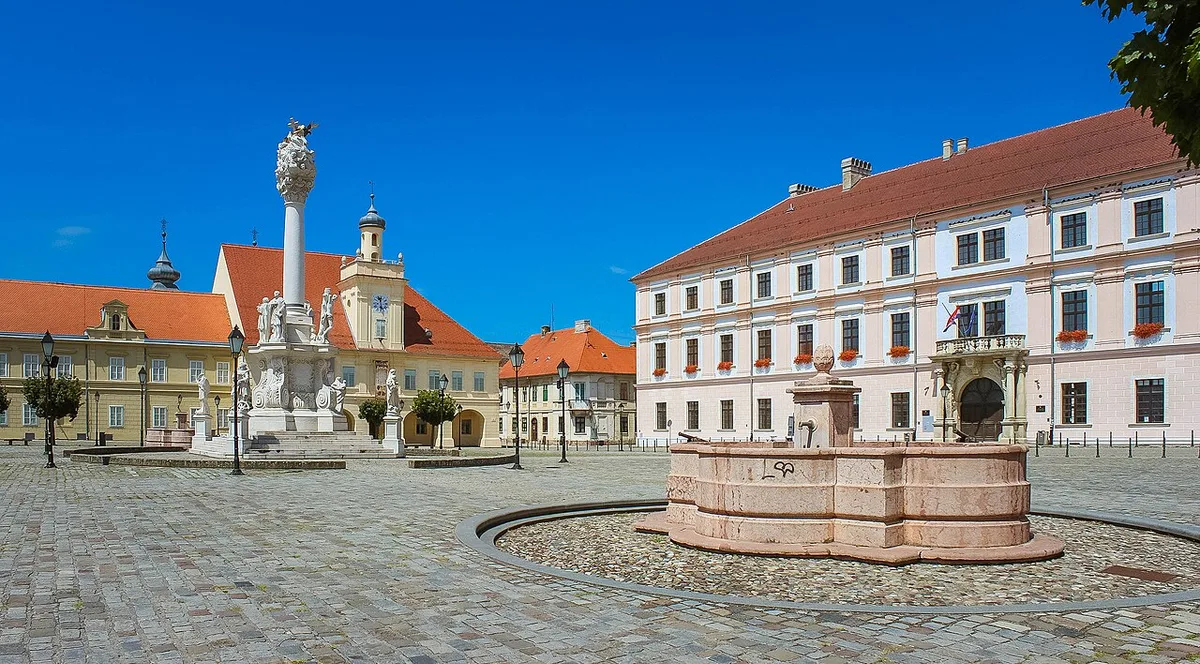
Osijek is the largest city and the economic and cultural hub of the eastern Croatian region of Slavonia, as well as the administrative seat of Osijek-Baranja County. It is the fourth-largest city in Croatia, with a population of 96,313 recorded in the 2021 census. The city is situated on the southern bank of the Drava River, 25 km (16 mi) upstream from its confluence with the Danube, at an elevation of 94 m (308 ft), and is located 16 km (10 mi) west of the Croatia-Serbia border. Its name originates from the Croatian word 'oseka,' meaning 'ebb tide,' reflecting its location on elevated ground that afforded protection from floods. Osijek is known by nicknames including 'Grad na Dravi' (City on Drava) and 'Nepokoreni grad' (Unconquered City).

Zadar
destination

Zadar

destination

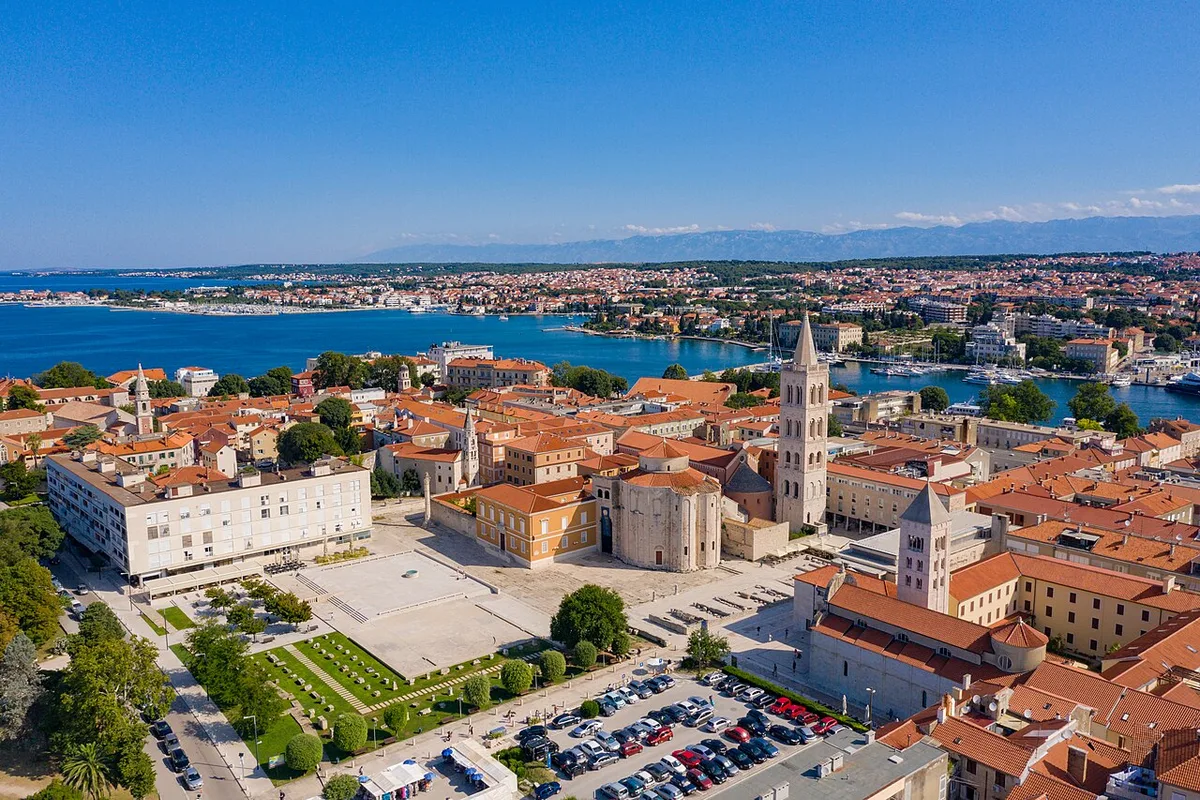
Zadar is a coastal city in the Dalmatia region of Croatia, situated on the Adriatic Sea. It is the oldest continuously inhabited city in Croatia, with origins tracing back to the 9th century BC as a Liburnian settlement. The city is known for its rich history and cultural heritage, including a UNESCO World Heritage Site recognized in 2017 as part of the Venetian Works of Defence between the 16th and 17th centuries. Zadar serves as the seat of Zadar County and the wider northern Dalmatian region, functioning as a principal political, cultural, commercial, industrial, educational, and transportation center. The city has been described as the 'entertainment center of the Adriatic' by The Times and 'Croatia's new capital of cool' by The Guardian, reflecting its reputation as a popular tourist destination.

Kimberley
destination

Kimberley

destination

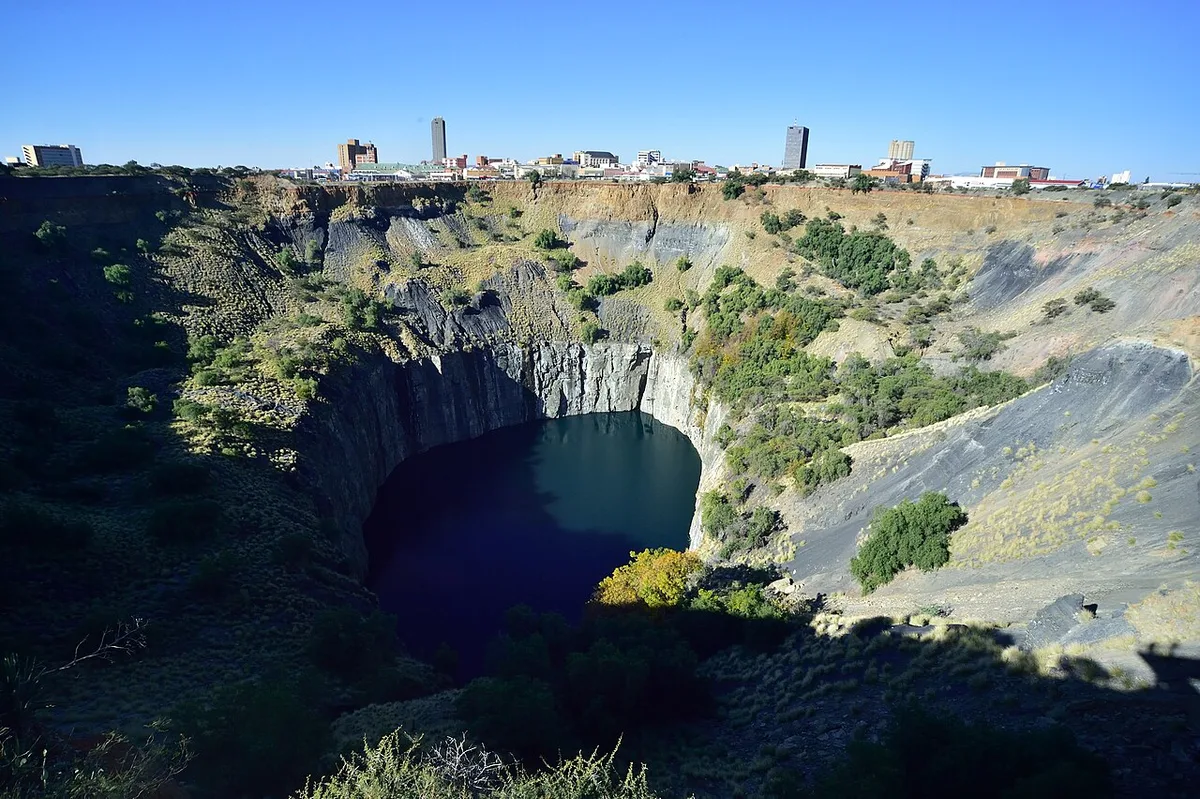
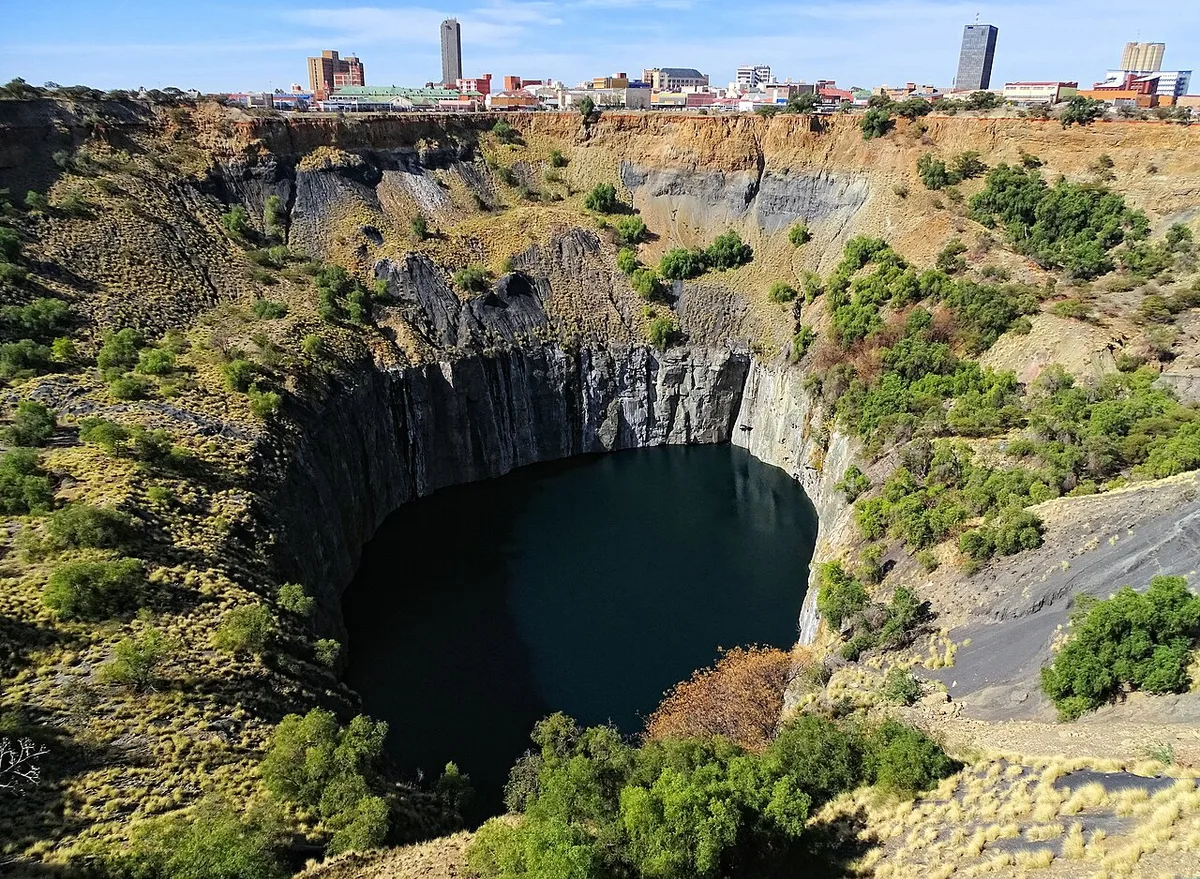
Kimberley is the capital and largest city of South Africa's Northern Cape province, located about 110 km east of the confluence of the Vaal and Orange Rivers. The city is historically significant for its diamond-mining past and its role in the Second Boer War, with British businessmen Cecil Rhodes and Barney Barnato having made their fortunes here. Rhodes established the De Beers diamond company in the early days of the mining town. Kimberley was the first city in the Southern Hemisphere to install electric street lighting on 2 September 1882, and the first stock exchange in Africa was built here in 1881. The city's most famous landmark is the Big Hole, a former diamond mine excavated by 50,000 miners from mid-July 1871 to 1914, yielding 2,722 kg of diamonds. The Big Hole has a surface of 17 hectares, is 463 metres wide, and was excavated to a depth of 240 metres before being partially infilled with debris. A popular local myth claims it is the largest hand-dug hole in the world, but Jagersfontein Mine appears to hold that record. The city was established on 5 July 1873 and had a population of 96,977 in 2011, with Afrikaans (55.5%) and Tswana (18.7%) as the most common first languages.

Zagreb
destination

Zagreb

destination

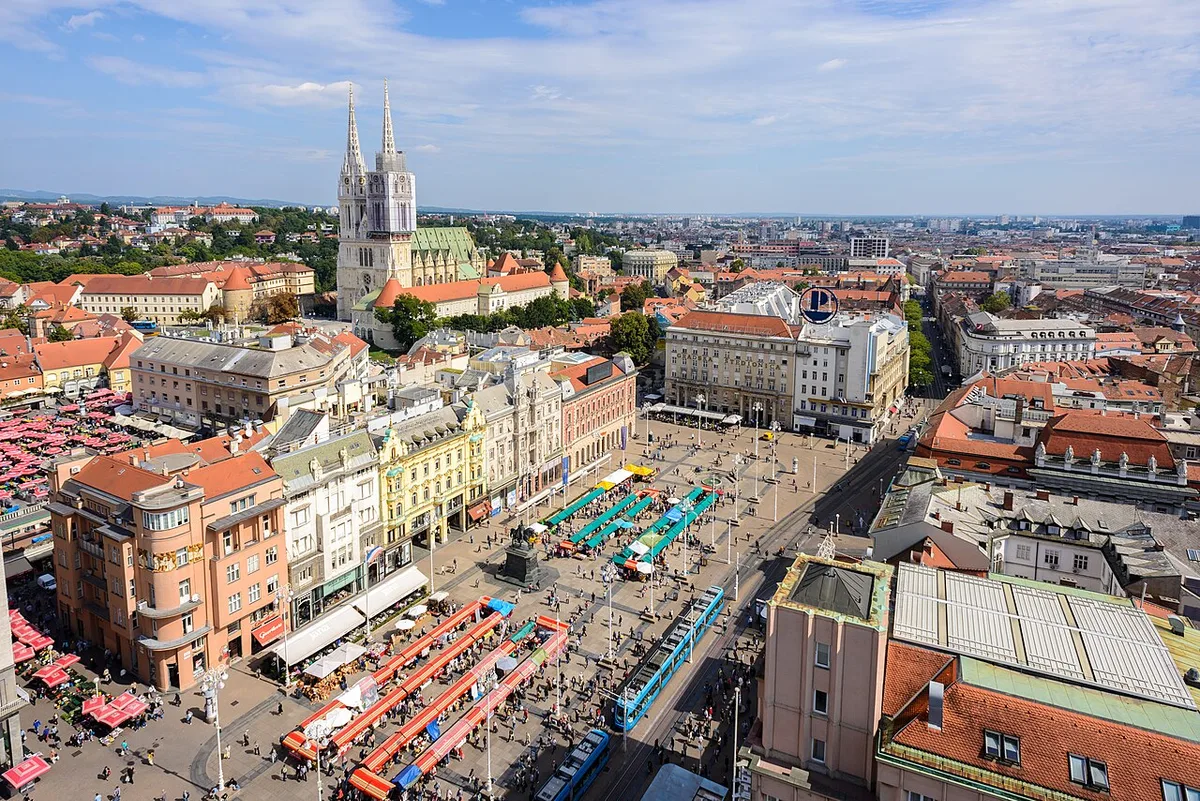
Zagreb is the capital and largest city of Croatia, situated in the north of the country along the Sava River at the southern slopes of the Medvednica mountain. It is an underestimated capital that blends Austro-Hungarian architecture, a lively café culture, and a compact historic core. The city is administratively a consolidated city-county, subdivided into 17 districts, with most lying at low elevation along the Sava valley while northern districts spread across the Medvednica foothills. Zagreb's transport connections, concentration of industry, and scientific and research institutions underpin its leading economic position in Croatia, and it serves as the seat of the central government and almost all government ministries.

Split, Croatia
destination

Split, Croatia

destination

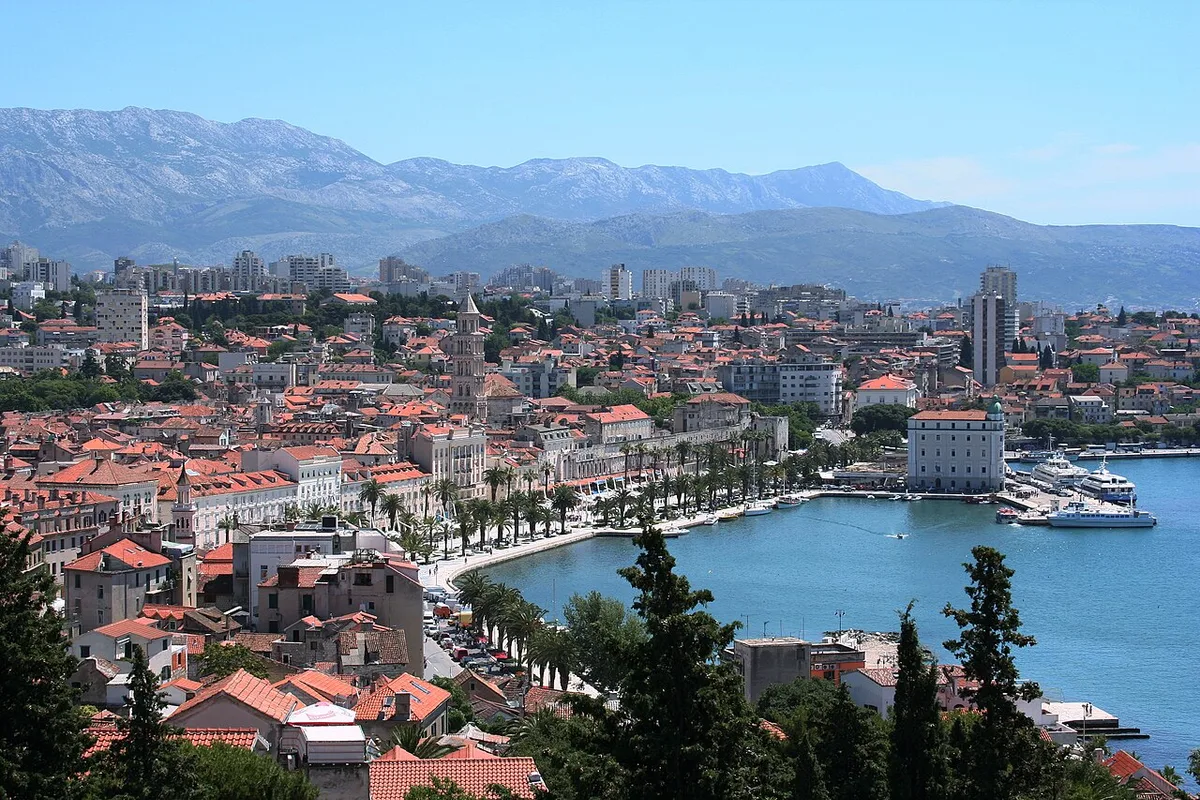
Split is Croatia's second-largest city and the largest urban center on the Croatian coast, situated on the eastern shore of the Adriatic Sea. Developed around the historic core of Diocletian's Palace, a UNESCO World Heritage Site since 1979, the city combines a continuous urban tradition spanning more than seventeen centuries with a contemporary role as one of Croatia's leading tourist destinations. As the administrative seat of Split-Dalmatia County, it serves as a key economic, cultural, and transportation hub for the region, with the Port of Split being one of the busiest passenger ports in the Mediterranean and a gateway to the southern Adriatic islands.

Salvador, Bahia
destination

Salvador, Bahia

destination

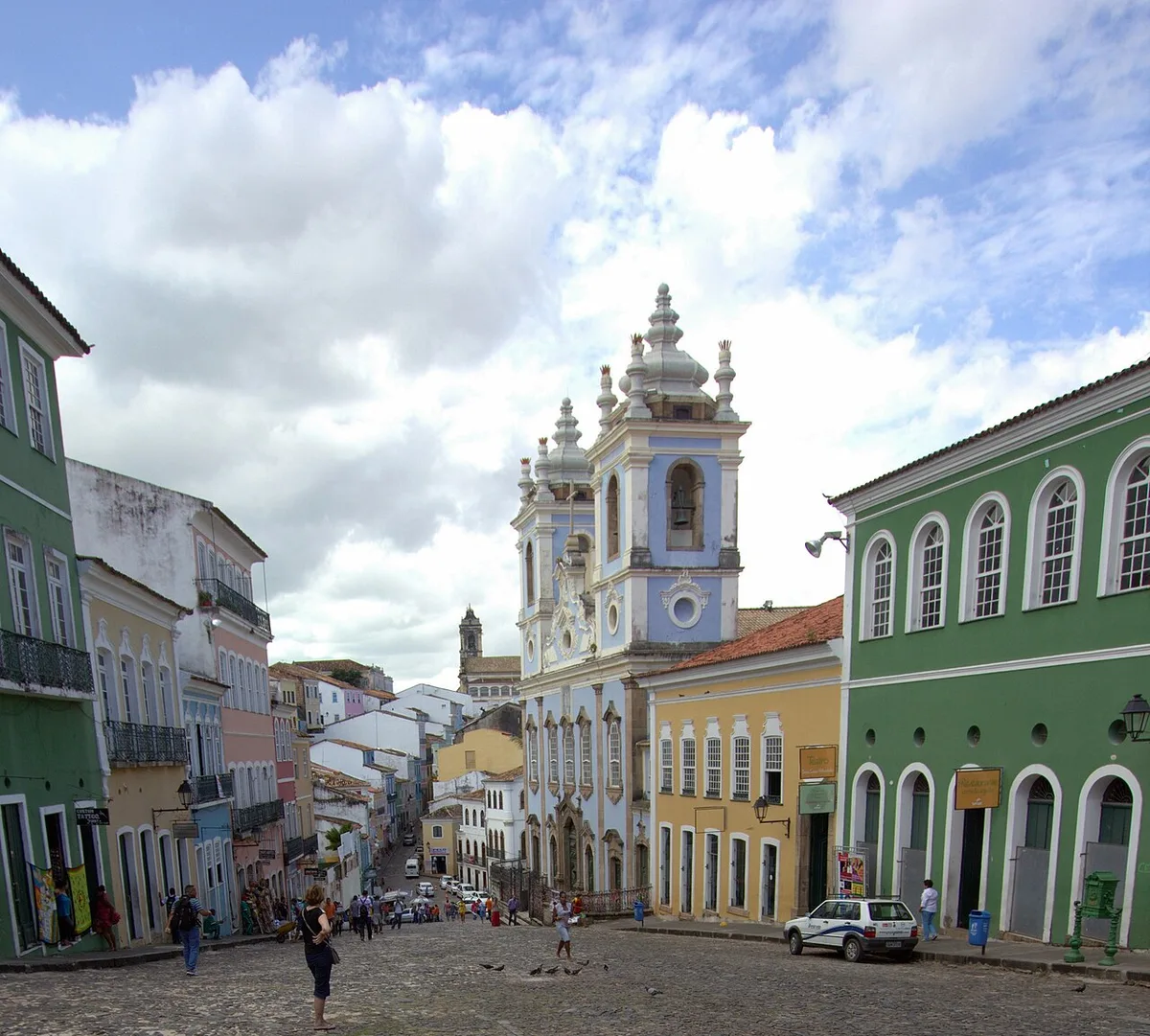
Salvador, the capital of Bahia state in Brazil, is a classic cultural city renowned for its Afro-Brazilian heritage, colonial architecture, and vibrant music and culinary scenes. The historic center, Pelourinho, is a UNESCO World Heritage site, and the city is famous for its beaches, festivals, and distinct local identity. Travelers should expect a lively, colorful atmosphere with a rich history that is deeply connected to the African diaspora.

Dubrovnik
destination

Dubrovnik

destination

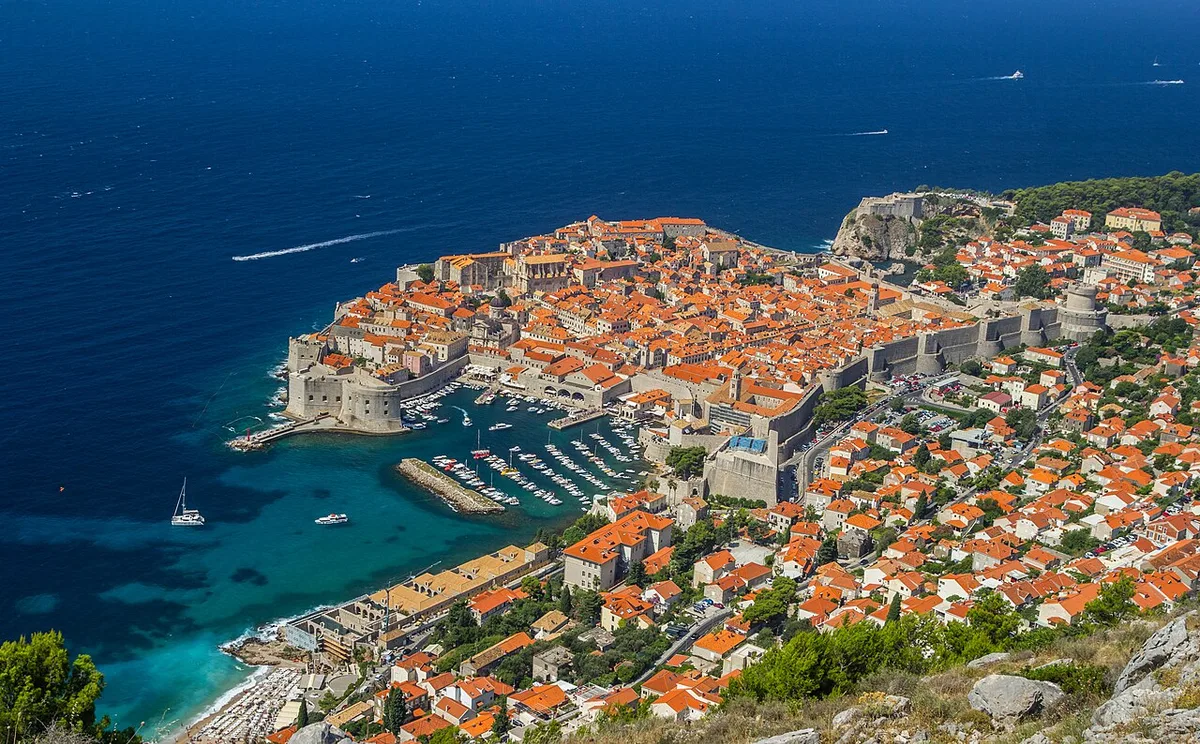
Dubrovnik is a historic walled city on the Adriatic Sea coast in the extreme south of Croatia. It is one of the most prominent tourist destinations in the Mediterranean, a seaport and the centre of the Dubrovnik-Neretva County. The city is nicknamed 'Pearl of the Adriatic' and is listed as a UNESCO World Heritage Site. Its prosperity was historically based on maritime trade; as the capital of the maritime Republic of Ragusa, it achieved a high level of development, particularly during the 15th and 16th centuries. Today, Dubrovnik is known for its outstanding medieval architecture and fortifications, and it has become a popular filming location.

Derry
destination

Derry

destination

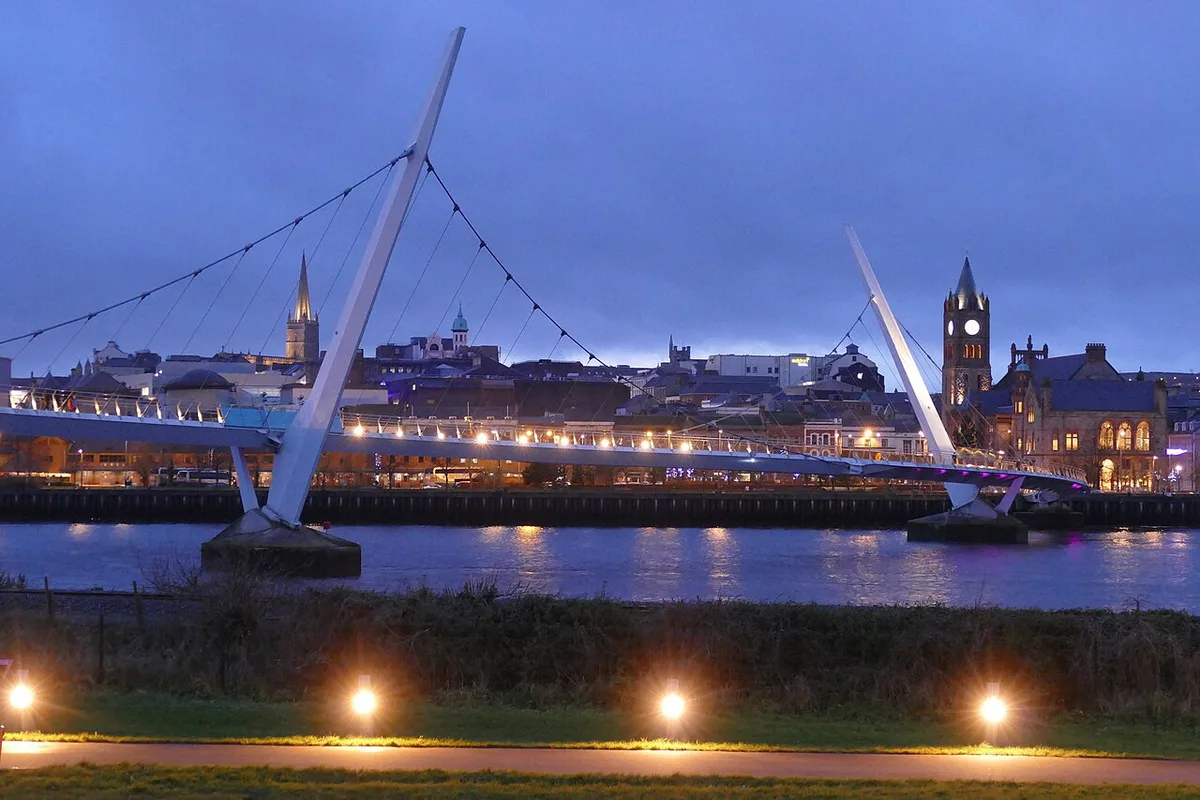
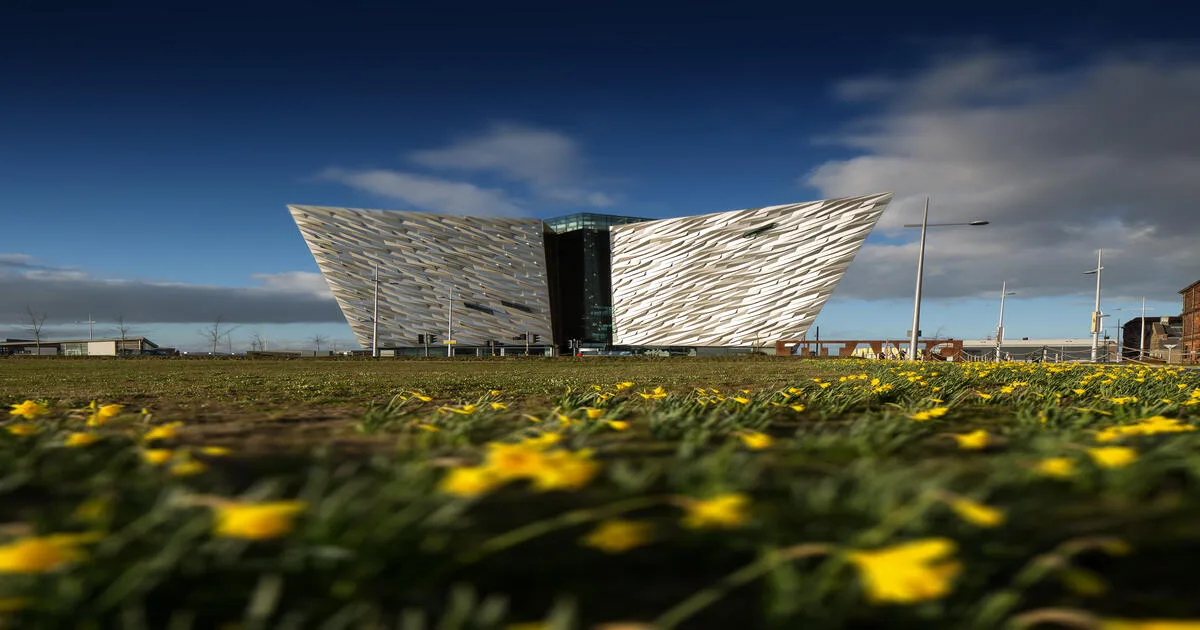
Derry, officially Londonderry, is a cathedral city in Northern Ireland, located in County Londonderry on the River Foyle. It is the second-largest city in Northern Ireland after Belfast, with a population of 85,279 in the 2021 census. The city is known for its well-preserved 17th-century city walls, its historic Guildhall, and its role as the inaugural UK City of Culture in 2013. Derry is a distinct destination for travelers interested in history, culture, and the complexities of Northern Ireland's heritage.

Kilkenny
destination

Kilkenny

destination

Kilkenny is a historic city in County Kilkenny, Ireland, located in the South-East Region and the province of Leinster, built on both banks of the River Nore. Known as 'The Marble City', it is a tourist destination with historic buildings including Kilkenny Castle, St Canice's Cathedral and round tower, Rothe House, Shee Alms House, Black Abbey, St. Mary's Cathedral, The Tholsel, St. Francis Abbey, Grace's Castle, and St. John's Priory. The city is also known for its craft and design workshops, the Watergate Theatre, public gardens, and museums. Annual events include the Kilkenny Arts Festival, the Cat Laughs comedy festival, and music at the Kilkenny Roots Festival. Kilkenny began with an early 6th-century ecclesiastical foundation within the Kingdom of Ossory, and following the 12th-century Norman invasion, Kilkenny Castle and a series of walls were built to protect the burghers of what became a Norman merchant town. William Marshall, Lord of Leinster, gave Kilkenny a charter as a town in 1207. In 1609, King James I of England granted Kilkenny a Royal Charter, giving it the status of a city. The 2022 census gave the population of Kilkenny as 27,184, the thirteenth-largest urban centre in Ireland.

Cork
destination

Cork

destination

Cork is the principal city of County Cork in southwest Ireland, known as 'the Rebel City' and sometimes called 'the real capital of Ireland.' It has a strong independent character and a proud role in Irish history. This historic merchant port features Georgian architecture and lively arts, music, and food scenes. The city center is compact and walkable, with the River Lee flowing through it. Cork is often described as an underestimated food city, with a vibrant culinary culture. It serves as a gateway to the wider southwest region, including scenic coastal areas and countryside.

Dublin
destination

Dublin

destination

Dublin is Ireland's compact capital, a UNESCO City of Literature framed by mountains and a bay, where Viking-era history, Georgian architecture, and a famous pub culture meet a modern, creative energy. The city center is walkable, with major sights like Trinity College, Dublin Castle, and St. Patrick's Cathedral within easy reach, while coastal walks at Howth and the Dublin Mountains offer quick escapes. It's a city of contrasts: historic and hip, with a famously warm welcome and a lively social scene that can be pricey.

Christchurch (Ōtautahi)
destination

Christchurch (Ōtautahi)

destination

Christchurch, also known as Ōtautahi, is the largest city on New Zealand's South Island and serves as the region's primary gateway. It is a city of contrasts, where a lively hub of culture, nightlife, and heritage sits alongside some of the world's most stunning scenery. More than a decade after devastating earthquakes in 2010 and 2011, the city has been rebuilt and reimagined, blending historic blue-stone heritage buildings with modern spaces and expansive green areas. Visitors can explore a vibrant arts scene, world-class gardens, and unique attractions, all while experiencing the city's relaxed vibe and genuine hospitality. Christchurch is a destination that often surprises and is always hard to leave.

Galway
destination

Galway

destination

Galway is a city in County Galway, Ireland, lying on the River Corrib between Lough Corrib and Galway Bay. It is the most populous settlement in the province of Connacht and the fourth most populous city in the Republic of Ireland, with a population of 85,910 at the 2022 census. Known as the 'City of the Tribes', Galway grew around a fortification built in 1124 and developed into a trading port controlled by merchant families. In the 21st century, it is a tourist destination known for festivals and events, including the Galway International Arts Festival. Galway was named the European Region of Gastronomy in 2018 and was the European Capital of Culture for 2020.

Dunedin
destination

Dunedin

destination

Dunedin (Māori: Ōtepoti) is the second-most populous city in New Zealand's South Island and the principal city of the Otago region. Its name derives from Dùn Èideann, the Scottish Gaelic name for Edinburgh, and it has long been considered one of New Zealand's four main centres for cultural, geographical, and historical reasons. Settled by Māori around 1300 and by Europeans in 1848, the city is known for its Scottish heritage, Victorian and Edwardian architecture, and its position as a distinct heritage destination within New Zealand.

Wellington
destination

Wellington

destination

Wellington is the capital city of New Zealand, situated at the southwestern tip of the North Island. Known for its dramatic harbor and hillside setting, the city is often called 'Windy Wellington' due to its breezy conditions. It serves as the nation's political center, hosting the New Zealand Parliament Buildings, and is also recognized for its cultural institutions, including the national museum Te Papa and the historic Wellington Cable Car. The city's compact central area and scenic harbor make it a distinctive urban destination.

Auckland
destination

Auckland

destination

Auckland (Tāmaki Makaurau) is New Zealand's largest city, a metropolitan hub on the North Island known as the 'City of Sails'. Founded on 18 September 1840 and named after George Eden, 1st Earl of Auckland, it is governed by the Auckland Council and serves as the country's primary gateway. The city is defined by its harbour setting, volcanic cones like Maungakiekie / One Tree Hill, and landmarks including the Auckland Harbour Bridge and the War Memorial Museum. It offers a blend of urban life, coastal access, and Māori heritage, with local iwi including Ngāti Whātua, Tainui, and Ngāti Ākarana.

Gqeberha
destination

Gqeberha

destination

Gqeberha, formerly Port Elizabeth, is a major seaport and the most populous city in South Africa's Eastern Cape province. Founded in 1820 as Port Elizabeth, it was officially renamed Gqeberha in 2021 after the Xhosa name for the Baakens River. Located on Algoa Bay along the southeastern coast, the city is known for its warm oceanic climate, blue-flag beaches, and role as a gateway for Eastern Cape adventure and safari tourism. It is nicknamed 'The Friendly City' or 'The Windy City'.

Durban
destination

Durban

destination

Durban is South Africa's third-most populous city and the largest city in KwaZulu-Natal province, situated on the east coast along the Indian Ocean's Natal Bay. It is the busiest port city in sub-Saharan Africa and was formerly known as Port Natal. The city has a humid subtropical climate with hot, wet summers and mild, dry winters. Durban is the seat of the larger eThekwini Metropolitan Municipality, which spans 2,556 km² and had a population of 4.2 million in 2022. The city itself had a population of 595,061 in 2011. Durban has a diverse heritage with large Zulu, Indian, White, and Coloured populations. Notable places include the Golden Mile beachfront, Botanic Gardens, the Art Gallery and Natural Science Museum at City Hall, the Tudor-style Playhouse Theatre, uShaka Marine World, and the International Convention Centre. The city features various architectural styles ranging from Victorian to contemporary, with Art Deco leaving its stamp on many buildings. Durban was one of the host cities of the 2010 FIFA World Cup, for which the Moses Mabhida Stadium was built, and is UNESCO's first City of Literature in Africa.

Johannesburg
destination

Johannesburg

destination

Johannesburg, often called Joburg or Jozi, is South Africa's largest city and economic heart, though it is not the capital. Founded in 1886 and known as the 'city of gold' for its mining history, it sits in the eastern highlands at 1,753 meters above sea level. For travelers, Johannesburg is a gateway to the region, home to OR Tambo International Airport, the busiest on the continent. The city offers a deep dive into South Africa's complex history, particularly the apartheid era, with powerful sites like the Apartheid Museum, Constitution Hill, and Soweto. It is a city of contrasts, blending a vibrant, authentic African culture and some of the country's best cuisine with a reputation for being rough around the edges, requiring visitors to plan their movements carefully.

Punta Arenas
destination

Punta Arenas

destination

Punta Arenas is the regional capital of the Magallanes y Antártica Region in Chilean Patagonia, one of the southernmost cities in the world and the largest city in Chilean Patagonia. Located on the Brunswick Peninsula on the shore of the Strait of Magellan, it serves as an important starting point for trips to Antarctica and the Falkland Islands. The city was founded in 1848 and features grand buildings from the late 19th and early 20th centuries, reflecting its golden age of maritime commerce, oil extraction, and sheep breeding. Its Subantarctic climate is cold and rainy, with strong winds, and the summer months from December to March are considered the best time to visit. The city is compact and walkable, with an abundance of banks, shops, supermarkets, pharmacies, hiking gear shops, and a duty-free zone called 'Zona Franca'.

Cape Town
destination

Cape Town

destination

Cape Town is a coastal city in South Africa, situated near the Cape of Good Hope, a headland on the country's southwest coast. The city is part of the broader region historically known as the Cape, which includes the former Dutch Cape Colony and Cape Colony. Travelers come for its dramatic coastal geography, including prominent capes that have served as landmarks for sea navigation for centuries. The city offers a mix of urban life, mountain scenery, and ocean access, making it a gateway for exploring the surrounding coastline and natural landmarks.

Leticia
destination

Leticia

destination

Leticia is Colombia's southernmost city, the capital of the Department of Amazonas, and a major port on the Amazon River. It sits at the Tres Fronteras point where Colombia, Brazil, and Peru meet, adjacent to the larger Brazilian city of Tabatinga. With an elevation of 96 meters and an average temperature of 27°C, Leticia has a tropical rainforest climate with consistently high humidity and rainfall year-round. The city has long been Colombia's shipping point for tropical fish for the aquarium trade and is a recognized tourist site, with tourism and agriculture as prime sources of income. Its population is largely made up of migrants from Bogotá, Medellín, and Tolima, alongside significant native Amerindian communities including the Witoto, Inga, Tucano, Ticuna, and Nukak peoples. Leticia's cuisine reflects Brazilian and Peruvian influences, with staples including river fish, rice, and locally-grown vegetables.

Cartagena, Colombia
destination

Cartagena, Colombia

destination

Cartagena de Indias is a historic Caribbean port city on Colombia's northern coast, known for its well-preserved colonial walled city and fortress, designated a UNESCO World Heritage Site in 1984. Founded on 1 June 1533 by Pedro de Heredia, it was a key Spanish colonial port for trade and defense against pirate attacks. Today it blends colonial architecture, vibrant street art in Getsemaní, and beach access in Bocagrande, with a distinct multicultural heritage shaped by Spanish, African, and Indigenous influences.

Medellín
destination

Medellín

destination

Medellín is the second-largest city in Colombia and the capital of the department of Antioquia, located in the Aburrá Valley, a central region of the Andes Mountains in northwestern South America. Known as the 'City of the Eternal Spring' for its mild climate, the city has a population of 2,427,129 (2018 census) and a metro area of over 4 million people. Medellín is a dynamic commercial and industrial center, historically exporting gold and coffee, and is promoted internationally as a tourist destination. The city is recognized for its universities, academies, commerce, industry, science, health services, flower-growing, and festivals. In February 2013, the Urban Land Institute chose Medellín as the most innovative city in the world due to its advances in politics, education, and social development. The city's rapid transit system includes the Medellín Metro and SITVA, and it is served by José María Córdova International Airport.

Bogotá
destination

Bogotá

destination

Bogotá is the capital and largest city of Colombia, situated at an elevation of 2,640 meters in the Andean highlands. Founded on 6 August 1538 as Santa Fe de Bogotá by Gonzalo Jiménez de Quesada, the city is the political, economic, and cultural heart of the country. Known as 'La Atenas Suramericana' (The South American Athens) and 'La Capital Mundial del Teatro' (The Theater Capital of the World), Bogotá offers a distinctive high-altitude urban experience. The city is home to landmarks such as La Candelaria, the Gold Museum, the National Museum, Monserrate Sanctuary, and Bolívar Square. Travelers should expect a sprawling metropolis with a cool, often overcast climate, a vibrant arts and theater scene, and a mix of colonial heritage and modern development. The city's nickname 'La Nevera' (The Fridge) hints at its chilly temperatures, so packing layers is essential. Bogotá is a gateway to understanding Colombia's rich history and contemporary urban life, though visitors should plan for its size, altitude, and varying neighborhood character.

Puerto Varas
destination

Puerto Varas

destination

Puerto Varas, known as 'The City of Roses' and 'Tourist Capital of Southern Chile', is a city and commune in the southern Chilean province of Llanquihue, Los Lagos Region. It sits on the shore of Llanquihue Lake, the second largest lake in Chile, about 20 km from Puerto Montt. The city is famous for its German traditions, natural environment, and popularity as a tourist destination, with the conical Osorno volcano and snow-capped Calbuco volcano and Mt. Tronador visible from the lakefront. It features traditional German architecture, including wooden houses with steep roofs and neo-gothic details, and was designated a Heritage Zone in 1992. The city's identity is tied to its German immigrant heritage, dating to its founding in 1854, and its nickname 'City of Roses' stems from rose bushes planted throughout the city since the 1950s.

San Pedro de Atacama
destination

San Pedro de Atacama

destination

San Pedro de Atacama is a Chilean town and commune in El Loa Province, Antofagasta Region, located east of Antofagasta, some 106 km (60 mi) southeast of Calama and the Chuquicamata copper mine, overlooking the Licancabur volcano. It grew over centuries around an oasis in the Puna de Atacama, an arid high plateau, and features a significant archaeological museum, the R. P. Gustavo Le Paige Archaeological Museum, with a large collection of relics and artifacts from the region. Native ruins nearby attract increasing numbers of tourists interested in learning about pre-Columbian cultures. The town lies at an average of 8,000 feet (2,400 m), and visitors often experience mild altitude sickness such as dizziness, lethargy and headaches. The local climate is extremely dry and mild, with daytime temperatures between 25–30°C (77–86°F) in the summer (December to February) and 18–25°C (64–77°F) in the winter (June to August). Nighttime temperatures routinely drop below 0°C (32°F) and can reach as low as −10°C (14°F) in the winter. The Köppen-Geiger climate classification system classifies its climate as cold desert (BWk).
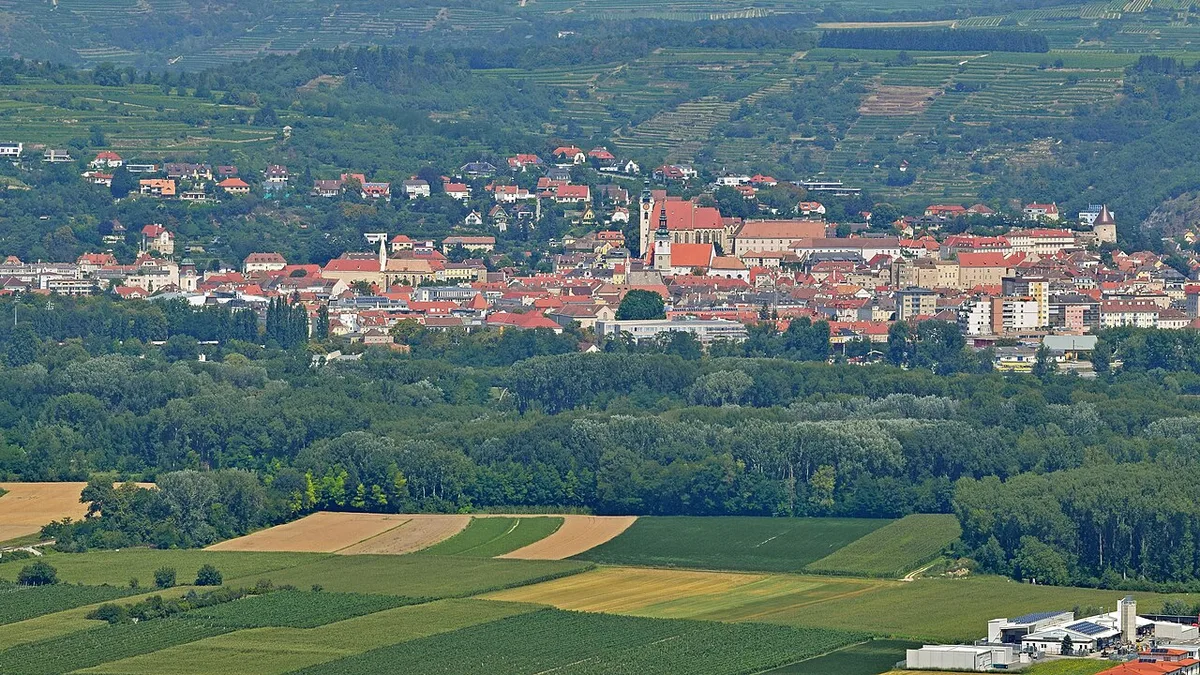
Valparaíso
destination

Valparaíso

destination

Valparaíso is a major city, commune, seaport, and naval base in the Valparaíso Region of Chile, located about 120 km (75 mi) northwest of Santiago by road. It is one of the Pacific Ocean's most important seaports and the capital of Chile's second most-populated administrative region. The city has been the Chilean Navy headquarters since 1817 and the seat of the National Congress of Chile since 1990. Valparaíso played an important geopolitical role in the second half of the 19th century as a major stopover for ships traveling between the Atlantic and Pacific oceans via the Straits of Magellan. The historic quarter was declared a UNESCO World Heritage Site in 2003. Today, the city is known for its hillside historic districts, labyrinth of cobbled alleys, colorful buildings, artisans, and bohemian culture, attracting artists, tourists, and cultural entrepreneurs. The Port of Valparaíso continues to be a major distribution center for container traffic, copper, and fruit exports, and receives growing attention from cruise ships during the South American summer.

Santiago
destination

Santiago

destination

Santiago is the capital and largest city of Chile, located in the Chilean Central Valley within the Santiago Basin, between the Andes to the east and the Chilean Coastal Range to the west. Founded on 12 February 1541 by Pedro de Valdivia as Santiago del Nuevo Extremo, the city anchors the Santiago Metropolitan Region and its conurbation of Greater Santiago, which comprises more than forty communes and concentrates over a third of the national population and around 45% of Chile's GDP. The city is the political and administrative heart of Chile, housing the presidential palace and main organs of the executive and judiciary, while the National Congress meets primarily in nearby Valparaíso. Economically, Santiago is the country's principal industrial, commercial, and financial hub and a regional center for services, hosting headquarters of major Chilean companies, regional offices of international organizations such as ECLAC, and several of the nation's leading universities and research institutes. The urban landscape combines a 19th-century neoclassical core and surviving colonial churches with extensive modern residential districts, standalone hills such as Cerro Santa Lucía and Cerro San Cristóbal, and parklands along the Mapocho River, including Parque Forestal, Parque Bicentenario, and Santiago Metropolitan Park. The city has a cool semi-arid climate with Mediterranean characteristics, warm, dry summers and cool, wetter winters; its location in an enclosed valley contributes both to scenic views of the high Andes and to chronic air pollution and winter smog. Santiago is served by Arturo Merino Benítez International Airport, a dense network of urban highways, and one of Latin America's most extensive metro systems.

Iquitos
destination

Iquitos

destination

Iquitos is the capital of Peru's Maynas Province and Loreto Region, and the largest metropolis in the Peruvian Amazon, east of the Andes. It is the largest city in the world that cannot be reached by road that is not on an island; it is only accessible by river and air. Known as the 'capital of the Peruvian Amazon,' the city sits in the Great Plains of the Amazon Basin, fed by the Amazon, Nanay, and Itaya rivers. The Iquitos metropolitan area is a conurbation of approximately 471,993 inhabitants consisting of four districts: Iquitos, Punchana, Belén, and San Juan Bautista. The area has long been inhabited by indigenous peoples, and the city was established around 1757 as a Spanish Jesuit reduction on the banks of the Nanay River. In the late 19th century, during the Amazon rubber boom (1880–1914), Iquitos became a center of rubber export and was influenced by numerous Europeans who flocked to it, leaving an architectural and cultural legacy. Later in the 20th century, the city and region diversified its economy, exporting timber, fish and its by-products, oil, minerals, and agricultural crops, and deriving revenue from tourism and related crafts.

Arequipa
destination

Arequipa

destination

Arequipa is a city in southern Peru and the capital of Arequipa Province and the Department of Arequipa. With a projected population of 1,195,700 in 2025, it is the country's second most populous city after Lima. It is the official seat of the Constitutional Court of Peru and is known as the 'Legal Capital of Peru'. The city extends along both banks of the Chili River, in the Arequipa or Chili valley, bordered by the Andes to the north and east and by low coastal hills to the south and west. The site was founded on 15 August 1540, when it was named 'Villa Hermosa de Nuestra Señora de la Asunta de Arequipa'. In 2000, UNESCO inscribed 332 hectares of Arequipa's historic center as a World Heritage Site. Its historical and monumental heritage, together with its scenic and cultural spaces, has made it a destination for national and international tourism. In the historic area, viceregal and republican architecture is preserved, earning it nicknames such as the 'White City' and 'Jewel of Viceregal Architecture'.

São Paulo
destination

São Paulo

destination

São Paulo is the capital of the state of the same name and the most populous city in Brazil, South America, the Americas, and both the Western and Southern Hemispheres. Founded in 1554 by Jesuit priests, it is one of the oldest continuously inhabited cities on the American continent. The city exerts international influence in commerce, finance, culture, gastronomy, arts, fashion, technology, entertainment, and media. It has been listed by UNESCO's Creative Cities Network as a 'City of Film' and holds the title of 'World Capital of Gastronomy', and is classified as an alpha global city by the Globalization and World Cities Research Network (GaWC). It is the largest urban area by population outside Asia and the most populous Portuguese-speaking city in the world. The city's name honors Paul the Apostle, and its residents are known as paulistanos. Its Latin motto is 'Non ducor, duco' ('I am not led, I lead').

Cusco
destination

Cusco

destination

Cusco, a city in southeastern Peru near the Sacred Valley of the Andes, is the historic capital of the Inca Empire and a UNESCO World Heritage Site. It serves as the primary gateway for travelers heading to Machu Picchu and other Incan ruins. The city sits at approximately 3,400 meters (11,200 feet) elevation and blends Inca foundations with Spanish colonial architecture, including landmarks like the Plaza de Armas, Qorikancha, Cusco Cathedral, and Sacsayhuamán. Designated as Peru's Historical Capital by the 1993 Constitution, Cusco is a major cultural, economic, and political center, hosting over 2 million visitors annually.

Lima
destination

Lima

destination

Lima is the capital and largest city of Peru, located in the valleys of the Chillón, Rímac, and Lurín rivers in the desert zone of the central coastal part of the country, overlooking the Pacific Ocean. It is considered the political, cultural, financial, and commercial center of Peru. The metropolis extends mainly within the province of Lima and, to the west, within the Constitutional Province of Callao, where the seaport and Jorge Chávez Airport are located. The city was founded in 1535 under the name 'City of Kings' (Ciudad de los Reyes) by Francisco Pizarro. The Historic Center of Lima is a UNESCO World Heritage Site, designated in 1988 and 1991. Lima is nicknamed 'Ciudad de los Reyes' (City of the Kings), 'La Tres Veces Coronada Villa' (The Three Times Crowned Ville), and 'La Perla del Pacífico' (The Pearl of the Pacific).

Ushuaia
destination

Ushuaia

destination

Ushuaia is the capital of Tierra del Fuego, Antártida e Islas del Atlántico Sur Province, Argentina, and claims the title of the world's southernmost city. Located below the 54th parallel south, it sits in a wide bay on the southern coast of Isla Grande de Tierra del Fuego, bounded by the Martial mountain range to the north and the Beagle Channel to the south. Founded on 12 October 1884 by Augusto Lasserre, it is an administrative center, a light industrial port, and a tourist destination. The city is roughly 1,100 km from the Antarctic Peninsula and is one of five internationally recognized Antarctic gateway cities, one of two in South America along with Punta Arenas, Chile. Its motto is 'Ushuaia, end of the world, beginning of everything.'

Salta
destination

Salta

destination

Salta is the capital and largest city of Salta Province in northwestern Argentina, founded on April 16, 1582 by Spanish conquistador Hernando de Lerma as an outpost between Lima, Peru and Buenos Aires. The city sits at an elevation of 1,152 meters (3,780 ft) in the subtropical highlands, giving it a Cwb climate characterized by pleasant weather year-round with four distinct seasons. Salta serves as the cultural and economic center of the Valle de Lerma Metropolitan Area, which is home to over 50.9% of the province's population. With a population of 627,704 according to the 2022 census, it ranks as the 7th most-populous city in Argentina. The city is known for its colonial architecture, including landmarks such as the Salta Cathedral, the Basilica of San Francisco, the Salta Cabildo, and the Museum of High Altitude Archaeology. Salta's distinct identity comes from its blend of indigenous and colonial heritage, its position as a gateway to the Andes, and its role in Argentina's independence history, particularly through the leadership of General Martín Miguel de Güemes between 1816 and 1821.

Bariloche
destination

Bariloche

destination

Bariloche, officially San Carlos de Bariloche, is a city in the foothills of the Patagonian Andes on the southern shore of Nahuel Huapi Lake, near the border with Chile. It is the largest city in Río Negro Province and the most popular city in Argentine Patagonia, known for its scenic natural setting, year-round outdoor activities, and as a traditional hub for student tourism and high school graduation trips. The nearby Cerro Catedral is the largest ski resort in South America.

Mendoza, Argentina
destination

Mendoza, Argentina

destination

Mendoza is the capital of Argentina's Mendoza Province, located in the northern-central part of the province on the eastern side of the Andes. The city is a gateway to the Andes and a base for exploring the region's wine country, with the surrounding area being the largest wine-producing region in South America. Mendoza is known for its tree-lined streets, plazas, and as a stopover for climbers heading to Aconcagua, the highest mountain in the Western Hemisphere. The city was rebuilt after an 1861 earthquake with wide streets and squares designed to withstand seismic activity.

Buenos Aires
destination

Buenos Aires

destination

Buenos Aires is the capital and most populous city of Argentina, an autonomous city known for its European-influenced architecture, tango culture, and vibrant neighborhoods like La Boca and Puerto Madero. Nicknamed 'The Paris of South America,' it offers a mix of historic landmarks such as the Obelisco, Casa Rosada, and Teatro Colón, alongside a lively arts and dining scene. Travelers should expect a cosmopolitan city with distinct barrios, a strong café culture, and a pace that blends late nights with rich cultural traditions.

Belém
destination

Belém

destination

Belém, the capital and largest city of Pará state in northern Brazil, is the gateway to the Amazon River with a busy port, airport, and bus/coach station. Founded in 1616 by the Portuguese, it was the first European colony on the Amazon. The city blends a colonial core of tree-filled squares, churches, and traditional blue tiles with a modern skyline of skyscrapers, and is nicknamed the 'City of Mango Trees' and 'Metropolis of the Amazon.' It lies approximately 100 km upriver from the Atlantic Ocean on the Pará River, part of the greater Amazon River system, and is home to the Federal University of Pará and the State University of Pará.

Siwa Oasis
destination

Siwa Oasis

destination

Siwa Oasis is an urban oasis in Egypt's Western Desert, situated between the Qattara Depression and the Great Sand Sea, about 560 km from Cairo and 50 km east of the Libya border. It sits in a deep depression reaching 19 meters below sea level, known for its ancient role as the home of the Oracle of Amun, with ruins that remain a popular attraction. The oasis supports thousands of date palms and olives, and features about 200 natural springs. Its ancient fortress, Shali Ghadi, built from salt and mud-brick (kershif) and palm logs, towers above the modern town and is lit by floodlights at night.

Aswan
destination

Aswan

destination

Aswan is a city in Upper Egypt and the capital of the Aswan Governorate, located on the east bank of the Nile at the first cataract. It is among the oldest continuously inhabited cities, with recorded history spanning over 2,600 years. The city was the southern frontier of Ancient Egypt, and its local quarries supplied granite to many ancient Egyptian monuments. Aswan includes five monuments within the UNESCO World Heritage Site of the Nubian Monuments from Abu Simbel to Philae, including the Old and Middle Kingdom tombs of Qubbet el-Hawa, the town of Elephantine, the stone quarries and Unfinished Obelisk, the Monastery of St. Simeon, and the Fatimid Cemetery. The city's Nubian Museum is an important archaeological center, containing finds from the International Campaign to Save the Monuments of Nubia before the Aswan Dam flooded all of Lower Nubia. Aswan is part of the UNESCO Creative Cities Network in the category of craft and folk art and joined the UNESCO Global Network of Learning Cities in 2017. The modern city has expanded to include the formerly separate community on the island of Elephantine, and it is considered a global tourist winter destination.

Luxor
destination

Luxor

destination

Luxor, a city in Upper Egypt, is often called the world's greatest open-air museum. It was the ancient city of Thebes, one of the capitals of Ancient Egypt, and is among the oldest continuously inhabited cities in the world. The modern city contains the ruins of the Karnak and Luxor temple complexes, while across the Nile lies the West Bank Theban Necropolis, including the Valley of the Kings and the Valley of the Queens. Luxor is a major tourism destination known for its large hotels, resorts, and famous hot air balloons, with around 5 million tourists arriving annually. The city also features diverse cultural heritage, with temples, churches, and mosques coexisting side by side.

Cairo
destination

Cairo

destination

Cairo is the capital and largest city of Egypt, home to more than 9.8 million people and part of the largest urban agglomeration in Africa, the Arab world, and the Middle East, with over 22 million people in the Greater Cairo metropolitan area. Founded in 969 AD, it succeeded the earlier settlement of Fustat as the main urban centre during the Ayyubid and Mamluk periods (12th–16th centuries). The city is known as 'the city of a thousand minarets' for its preponderance of Islamic architecture, and its historic center was awarded World Heritage Site status in 1979. Cairo is a longstanding centre of political and cultural life, home to Egypt's oldest university, Al-Azhar University, one of the oldest universities in the world, as well as the oldest and largest film and music industry in Africa and the Arab world. The Cairo Metro, opened in 1987, is the oldest metro system in Africa and ranks amongst the fifteen busiest in the world, with over 1 billion annual passenger rides. Like many megacities, Cairo suffers from high levels of pollution and traffic.

Chefchaouen
destination

Chefchaouen

destination

Chefchaouen is a small city nestled in the Rif Mountains of northwestern Morocco, renowned for its blue-washed medina, hilly streets, and relaxed atmosphere. Often called the 'Blue Pearl' of Morocco, its unique charm comes from the azure walls, colorful doors, and artistic murals that create a dreamlike setting. The city offers a blend of cultural heritage, including a 15th-century Kasbah and an ethnographic museum, alongside natural attractions like the Ras El Ma spring and nearby waterfalls. It is a popular destination for photographers and travelers seeking a distinctive and laid-back Moroccan experience, though its appeal is centered more on its aesthetic beauty and ambiance than on a wide array of major sights.

Casablanca
destination

Casablanca

destination

Casablanca is Morocco's largest city and its economic and business centre, located on the Atlantic coast of the Chaouia plain in the central-western part of the country. Known locally as 'Casa', it is the most populous city in the Maghreb region and the ninth-largest in the Arab world. The city blends its role as a modern financial hub with landmarks such as the Hassan II Mosque, the Royal Palace, and the Casablanca Cathedral, alongside historic sites like Arab League Park. As a classic urban gateway, Casablanca offers travelers a mix of business-oriented infrastructure, Atlantic coastline, and cultural landmarks, though it is often seen as a starting point for broader Moroccan itineraries rather than a standalone leisure destination.

Fez
destination

Fez

destination

Fez (also spelled Fes) is one of the largest cities of Morocco, renowned as a classic historic city with a deep cultural and architectural heritage. Travelers should expect a destination defined by its ancient medina, traditional crafts, and rich history rather than a modern metropolis. The city is particularly known for its historic old town, which offers an immersive experience of medieval Moroccan urban life, with narrow streets, bustling souks, and significant religious and educational institutions. Fez is distinct for its role as a center of traditional Moroccan culture and learning, making it a compelling choice for travelers interested in history, architecture, and authentic cultural experiences. The city's character is best suited to those who appreciate exploring on foot and are comfortable navigating a dense, historic urban environment.

Marrakech
destination

Marrakech

destination

Marrakech, also spelled Marrakesh, is one of the four imperial cities of Morocco and the capital of the Marrakesh-Safi region. The city lies west of the foothills of the Atlas Mountains. Founded circa 1070 by Abu Bakr ibn Umar as the capital of the Almoravid dynasty, it is nicknamed the 'Red City' or 'Ochre City' for its red sandstone walls built in 1122-1123. The old fortified medina quarter is a UNESCO World Heritage Site and contains the Jemaa el-Fnaa square, numerous souks (markets), the Kutubiyya Mosque, and many other historic and cultural sites. The city serves as a major economic centre and tourist destination, served by Marrakesh Menara Airport and by Marrakesh railway station, which connects the city to Casablanca and northern Morocco.

Singapore
destination

Singapore

destination

Singapore is a compact city-state that blends urban life with nature, featuring iconic landmarks like the Supertree Grove at Gardens by the Bay, the mist-filled Cloud Forest with one of the world's tallest indoor waterfalls, and vibrant cultural districts such as Kampong Glam. The city is known for its hawker centres, where affordable local dishes like Hainanese chicken rice, laksa, and satay are served, and its UNESCO-recognized hawker culture. With 64 islands, including the main one, Singapore offers both city exploration and offshore escapes. It is a destination that balances modern attractions with green spaces, making it suitable for first-time visitors and those seeking a mix of experiences.

Graz
destination

Graz

destination

Graz is the capital of the Austrian state of Styria and the second-largest city in Austria, after Vienna. Its historic centre (Altstadt) is considered one of the best-preserved urban centres in Central Europe and, together with Eggenberg Palace (Schloss Eggenberg), is a UNESCO World Heritage Site. Graz is an important centre of higher education, with four universities and four other higher education institutions. The city is recognised as a City of Design within UNESCO's Creative Cities Network and was designated a City of Culinary Delights in 2008. The Schlossberg hill, with its clock tower (Uhrturm), is a leading tourist attraction and a symbol of the city.

Innsbruck
destination

Innsbruck

destination

Innsbruck is the capital of the Austrian state of Tyrol and the fifth-largest city in Austria, situated on the River Inn at its junction with the Wipp Valley, which provides access to the Brenner Pass 30 km to the south. The city lies in a broad valley between high mountains: the North Chain in the Karwendel Alps (Hafelekarspitze, 2,334 m) to the north and Patscherkofel (2,246 m) and Serles (2,718 m) to the south. Innsbruck is an internationally renowned winter sports centre, having hosted the 1964 and 1976 Winter Olympics, the 1984 and 1988 Winter Paralympics, and the first Winter Youth Olympics in 2012. The name means 'bridge over the Inn,' reflecting its medieval origin as a strategic crossing point. The city features a humid continental climate (Köppen Dfb) with cold, snowy winters and highly variable summers, with an average annual temperature of 10°C.

Salzburg
destination

Salzburg

destination

Salzburg is a compact Austrian city on the Salzach River at the foot of the Alps, near the German border. It is the fourth-largest city in Austria and the capital of the state of Salzburg. The city is renowned for its well-preserved Baroque old town (Altstadt), which was inscribed as a UNESCO World Heritage Site in 1996. Salzburg is the birthplace of Wolfgang Amadeus Mozart and is home to Hohensalzburg Fortress, one of the largest medieval fortresses in Europe, dating from the 11th century. The historic centre is considered one of the best-preserved city centres north of the Alps. Along with Vienna and the Tyrol, Salzburg is one of Austria's most popular tourist destinations.

Vienna
destination

Vienna

destination

Vienna is the capital, most populous city, and one of the nine states of Austria, serving as the country's cultural, economic, and political centre. It lies on the eastern edge of the Vienna Woods at the transition to the Pannonian Basin, sits on the Danube, and is traversed by the regulated Wienfluss. The city is completely surrounded by Lower Austria and is located roughly 50 km west of Slovakia and its capital Bratislava, 50 km northwest of Hungary, and 60 km south of Moravia in the Czech Republic. Vienna is known for its imperial heritage, including landmarks such as Schönbrunn Palace, St. Stephen's Cathedral (Stephansdom), the State Opera, the Hofburg, Karlskirche, and the Belvedere. The Historic Centre of Vienna is a UNESCO World Heritage Site, designated in 2001 under cultural criteria ii, iv, and vi, covering an area of 371 hectares. The city's population was recorded at 2,028,499 in 2025, with a metropolitan area of nearly 2.9 million, representing nearly one-third of Austria's population. Vienna is the fifth-largest city by population in the European Union and the most populous city on the river Danube.

Lausanne
destination

Lausanne

destination

Lausanne is the capital and largest city of the Swiss French-speaking canton of Vaud, situated on the shores of Lake Geneva (Léman) about halfway between the Jura Mountains and the Alps, and facing the French town of Évian-les-Bains across the lake. Known as the 'Olympic Capital' since 1994, it hosts the International Olympic Committee, the Court of Arbitration for Sport, and some 55 international sport associations. The city is built on the southern slope of the Swiss plateau, with a dramatic elevation difference of about 500 meters between the lakeshore at Ouchy and its northern edge, offering panoramic views over the lake and the Swiss and Savoyan Alps. Lausanne is a hilly city with a historic center around the 12th-century Lausanne Cathedral, and it lies in a noted wine-growing region. It is the fourth largest city in Switzerland, with a municipality population of about 150,000 and an agglomeration of about 420,000 inhabitants.

Bern
destination

Bern

destination

Bern is the de facto capital of Switzerland, referred to as the 'federal city', and the capital of the canton of Bern. The city lies on the Swiss Plateau, slightly west of the centre of Switzerland and 20 km north of the Bernese Alps, with the Aare river flowing in a wide loop around the Old City. The historic old town (Altstadt) in the centre of Bern became a UNESCO World Heritage Site in 1983. The medieval city was founded by the Zähringer ruling family, probably in 1191 by Berthold V, Duke of Zähringen, and was made a free imperial city in 1218. Bern was chosen as the Federal City (seat of the government) of the newly created Swiss federal state on 28 November 1848. The city is known for its sandstone buildings characteristic of the Old Town, which replaced original wooden buildings after a major blaze in 1405. With a population of about 146,000 as of 2024, Bern is the fifth-most populous city in Switzerland, behind Zurich, Geneva, Basel and Lausanne.

Geneva
destination

Geneva

destination

Geneva is Switzerland's second-most populous city and the most populous in French-speaking Romandy, situated in the southwest where the Rhône exits Lake Geneva. It is a global city, an international financial centre, and a worldwide centre for diplomacy, often called the 'Peace Capital'. The city hosts the highest number of international organisations in the world, including many United Nations agencies and the International Committee of the Red Cross. Geneva was where the Geneva Conventions on humanitarian treatment in war were signed, and it hosted the League of Nations after World War I. The city's municipal territory covers 15.86 km², with an elevation of 375 m at Pont du Mont Blanc. Geneva is known for landmarks such as the Jet d'Eau, the Reformation Wall, and the Palace of Nations. The city has a rich history, from its Roman origins as an Allobrogian border town to its role in the Protestant Reformation under John Calvin in 1541, and it joined the Swiss Confederation on 19 May 1815.

Zurich
destination

Zurich

destination

Zurich is Switzerland's largest city and the capital of the canton of Zurich, located in north-central Switzerland at the northwestern tip of Lake Zurich. As of the end of 2024, the municipality had a population of 436,551, while the urban area was home to 1.45 million people (2020) and the metropolitan area had a total population of 2.1 million (2020). The city is a hub for railways, roads, and air traffic, with both Zurich Airport and Zurich's main railway station being the largest and busiest in the country. Zurich is one of Switzerland's primary financial centres, home to many financial institutions and banking companies, and features numerous museums and art galleries, including the Swiss National Museum, Natural History Museum, and Kunsthaus. The official language is German, though the main spoken language is Zurich German, a local variant of the Alemannic Swiss German dialect.

The Hague
destination

The Hague

destination

The Hague (Dutch: Den Haag or 's-Gravenhage) is the capital city of the South Holland province and the seat of the Dutch parliament and government, as well as the residence of King Willem-Alexander. It is not the official capital, which is Amsterdam. With a population of over half a million, it is the third-largest city in the Netherlands. Situated on the west coast facing the North Sea, The Hague is home to Scheveningen, the most popular seaside resort in the Netherlands, and is known internationally as the 'judicial capital of the world' due to the many international courts located there, including the International Court of Justice and the International Criminal Court. The city offers a distinct international character, with more than 150 international organizations, and features landmarks such as the Binnenhof, the Peace Palace, and the Kurhaus.

Utrecht
destination

Utrecht

destination

Utrecht is the fourth-largest city in the Netherlands and the capital of the province of Utrecht, located in the eastern part of the Randstad conurbation in the very centre of mainland Netherlands. Its ancient city centre features many buildings and structures, several dating back to the High Middle Ages, and it has been the religious centre of the Netherlands since the 8th century. In 1579, the Union of Utrecht was signed in the city to lay the foundations for the Dutch Republic. Utrecht was the most important city in the Netherlands until the Dutch Golden Age, when it was surpassed by Amsterdam as the country's cultural centre and most populous city. Today, it is home to Utrecht University, one of the largest universities in the Netherlands, and is an important hub for both rail and road transport, with the busiest railway station in the Netherlands, Utrecht Centraal. It has the second-highest number of cultural events in the Netherlands, after Amsterdam.

Rotterdam
destination

Rotterdam

destination

Rotterdam is the Dutch centre of modern architecture and big city vibes, home to Europe's largest port and the only skyline in the Netherlands. After the Second World War, the city chose not to rebuild what was lost, but to look ahead, shaping a skyline full of experiments, contrasts and new ideas. This bold, innovative approach to architecture continues to attract architects, designers and curious visitors from around the world. The city is also a melting pot of cultures, reflected in its diverse food scene, from breakfast spots to local beer, and its vibrant creative scene of museums, exhibitions and street art.

Amsterdam
destination

Amsterdam

destination

Amsterdam is the capital and largest city of the Netherlands, located in the province of North Holland. The city is known for its concentric canal ring, historic architecture, and cultural institutions such as the Rijksmuseum, Royal Palace, and Royal Concertgebouw. Founded around 1275, Amsterdam has a temperate oceanic climate and serves as the country's principal urban center. The municipality covers 219.32 km² and is home to roughly 946,000 residents as of mid-2026.

Jeju City
destination

Jeju City

destination

Jeju City is the capital of Jeju Province and the largest city on Jeju Island, serving as the island's principal gateway. It is home to Jeju International Airport (CJU), the island's sole airport, and its port is the largest on the island, handling the great majority of passenger and cargo vessels. The city is a well-known resort destination with a humid subtropical climate, offering mild, warm weather for much of the year. As the main transportation hub, Jeju City sees the primary share of tourist traffic to the island, with many visitors arriving via the airport or port and staying in the Sinjeju neighborhood. The city is surrounded by orange and mandarin farms and is famous for its oranges. Key attractions within or near the city include Dragon's Head Rock (Yongduam), the Samseonghyeol (three holes from which the three ancestors of the Jeju people are said to have come), Hallasan National Park and the country's tallest mountain Hallasan, the Jeju Olle Trail, and Udo Island off the east coast. The city also hosts the Jeju National Museum and Jeju Stone Park, which focuses on Jeju's cultural use of stones, mythology, and shamanism.

Gyeongju
destination

Gyeongju

destination

Gyeongju, historically known as Seorabeol, is a coastal city in the far southeastern corner of North Gyeongsang Province, South Korea. It was the capital of the ancient kingdom of Silla (57 BC – 935 AD), which ruled about two-thirds of the Korean peninsula at its height between the 7th and 9th centuries. The city is often referred to as 'the museum without walls' due to the vast number of archaeological sites and cultural properties from this period that remain. Among its historical treasures, Seokguram grotto, Bulguksa temple, Gyeongju Historic Areas, and Yangdong Folk Village are designated as World Heritage Sites by UNESCO. Today, tourism remains the major economic driver, though manufacturing has developed due to proximity to industrial centers like Ulsan and Pohang.

Jeonju
destination

Jeonju

destination

Jeonju is the capital and largest city of Jeonbuk (North Jeolla) Province, South Korea, with a population of 638,421 as of February 2026. It is a city with over 1,300 years of history and culture, known for its traditional cuisine, historic buildings, and festivals. In May 2012, Jeonju was designated a UNESCO Creative City for Gastronomy, recognizing its traditional home cooking, food research, chef training, and distinctive food festivals. The city is primarily situated in a basin surrounded by mountains, with the Jeonjucheon River flowing through the center as a major ecological axis. Jeonju is divided into two wards, Deokjin District and Wansan District, which are further divided into approximately 40 neighborhoods. The city has a humid subtropical climate (Köppen Cwa) with four distinct seasons; spring (late April through May) and fall (after September 25 through October) typically have temperatures in the mid-20s°C with low humidity. Traditional tourism and sightseeing are major industries in the city, which lacks the heavy industrial infrastructure found in other major Korean cities.

Busan
destination

Busan

destination

Busan is South Korea's second most populous city and its largest port, serving as the economic, cultural, and educational center of the southeastern part of the country. The city is known for its coastal setting, with Haeundae Beach being the country's largest, and its port is among the busiest in the world. Busan is also a center for international conventions and sports, having hosted the 2002 Asian Games and FIFA World Cup, and was added to the UNESCO Creative Cities Network as a 'City of Film' in 2014.

Seoul
destination

Seoul

destination

Seoul is the sprawling capital of South Korea, a city of vivid contrasts where sleek high-rises stand alongside the traditional hanok houses of Bukchon Hanok Village, and centuries-old royal palaces like Gyeongbokgung coexist with the latest in K-pop culture. The city is a dynamic hub for food, shopping, and design, offering everything from bustling street-food markets like Gwangjang to serene escapes in Bukhansan National Park. It is a destination best suited for travelers who enjoy exploring new cities and immersing themselves in a distinctly different culture, with a world-class food scene and a wealth of unique activities.

Ha Giang
destination

Ha Giang

destination

Ha Giang is a city in Northeast Vietnam, situated on the banks of the Lô River. It serves as the primary starting point for the Ha Giang Loop, a motorbike route along QL4C that passes through Lũng Cú, Đồng Văn district, Sà Phìn, and Mèo Vạc. The city covers 135.33 km² and had a population of 55,559 as of the 2019 census, comprising 22 ethnicities, with Kinh and Tày peoples making up 55.7% of residents. The area has been described as 'the most beautiful place in all of Vietnam.' The province is highly mountainous, with much land covered by forests, and its central plateau supports plums, peaches, persimmons, and tea cultivation. Ha Giang Province is among Vietnam's poorest, historically reliant on agriculture and forestry, with infrastructure less developed than other regions. Tourism has grown since the Dong Van Karst Plateau Geopark designation in 2010.

Da Nang
destination

Da Nang

destination

Da Nang is a centrally governed municipality on Vietnam's South Central Coast, known for its Han River estuary setting, sandy beaches like My Khe, and landmarks such as the Dragon Bridge, Marble Mountains, and Linh Ung Pagoda. It functions as a transport hub via its port, National Route 1, and the North–South Railway. The city is often framed as an underestimated coastal destination that balances urban amenities with beach access and proximity to cultural sites like Hoi An.

Hoi An
destination

Hoi An

destination

Hoi An is a historic port town in central Vietnam, recognized as a UNESCO World Heritage Site. The destination is known for its well-preserved Old Town, which reflects a blend of indigenous and foreign influences, particularly from Chinese, Japanese, and European trading cultures. Travelers can expect a walkable, atmospheric setting with traditional architecture, lantern-lit streets, and a riverside location. The town's heritage status and distinctive character make it a notable stop for those interested in history, culture, and photography. As a former provincial municipality of Quang Nam province, the administrative status of Hoi An has evolved, with the Old Town now part of Da Nang. Visitors should plan for a destination that is popular and can be busy, with a focus on cultural exploration rather than modern urban amenities.

Ho Chi Minh City
destination

Ho Chi Minh City

destination

Ho Chi Minh City, also known as Saigon, is Vietnam's most populous city and its most major financial centre, contributing around a quarter of the country's total GDP. The city's geography is defined by rivers and canals, with the Saigon River as the largest. It is the busiest international transport hub in Vietnam, with Tan Son Nhat International Airport accounting for nearly half of all international arrivals and the Port of Saigon among the busiest container ports in Southeast Asia. The city is known for its alleyways and nightlife, most notably Pham Ngu Lao and Bui Vien Street, and harbors historic buildings and modern landmarks including the Independence Palace, Bitexco Financial Tower, Landmark 81 Tower, the War Remnants Museum, and Ben Thanh Market. Founded in 1698 and renamed in 1976, the city retains the informal name Saigon for its centre.

Varanasi
destination

Varanasi

destination

Varanasi, also known as Benares, Banaras, or Kashi, is a metropolis in Uttar Pradesh, India, situated on the banks of the Ganges River. It is often referred to as the 'Spiritual Capital of India' and is one of the world's oldest continually inhabited cities. The city is a major pilgrimage destination, renowned for its ghats, particularly Manikarnika Ghat, a holy cremation ground, and for its deep association with Hindu spirituality, culture, and learning. Varanasi is also famous for its silk brocade weaving and as the home of Banaras Hindu University and the Benares Sanskrit College, India's oldest Sanskrit college, founded in 1791. Travelers should expect an intense, immersive experience of ancient traditions, bustling streets, and a unique atmosphere of life and death along the riverfront.

Kochi
destination

Kochi

destination

Kochi, formerly known as Cochin, is a major port city on the Malabar Coast of India, bordering the Laccadive Sea. It is part of the Ernakulam district in Kerala and is the largest and most populous metropolitan area in the state. Nicknamed the 'Queen of the Arabian Sea,' Kochi has been an important spice trading center since antiquity, with the port of Muziris trading with Romans, Persians, Arabs, and Chinese. The city is governed by the Kochi Municipal Corporation, constituted in 1967, and development is overseen by the Greater Cochin Development Authority (GCDA) and the Goshree Islands Development Authority (GIDA). Kochi is classified as a Tier-II city by the Government of India and serves as the judicial capital, hosting the High Court of Kerala. The city features a 48 km coastline, Cochin International Airport, and the Kochi Metro rapid transit system. Historically, the Portuguese established Fort Kochi (Fort Emmanuel) from 1503 to 1663, before it was taken over by the Dutch in 1663.

Jaipur
destination

Jaipur

destination

Jaipur is the capital and largest city of the north-western Indian state of Rajasthan. Founded in 1727 by Sawai Jai Singh II, the Kachhwaha Rajput ruler of Amer, it is one of the earliest planned cities of modern India, designed by Vidyadhar Bhattacharya. Known as the Pink City due to the dominant colour scheme of its buildings in the old city, Jaipur is a popular tourist destination and forms part of the Western Golden Triangle tourist circuit along with Delhi and Agra. The city serves as a gateway to other tourist destinations in Rajasthan, such as Jodhpur, Jaisalmer, Bikaner, Udaipur, Bundi, Kota, and Mount Abu. Jaipur City, Rajasthan, was designated a UNESCO World Heritage Site in 2019 under cultural criteria (ii), (iv), and (vi).

Delhi
destination

Delhi

destination

Delhi is a megacity and union territory of India, officially the National Capital Territory of Delhi, located in North India at coordinates 28°36′36″N 77°13′48″E. It is distinct from New Delhi, the capital of India, which lies entirely within Delhi's limits. As a gateway destination, Delhi offers a dense layering of historical monuments, religious sites, and urban contrasts, from the Red Fort and Qutub Minar to India Gate and the Lotus Temple. Travelers should expect a sprawling, populous metropolis with a rich architectural heritage and a complex, fast-paced urban environment.

Labuan Bajo
destination

Labuan Bajo

destination

Labuan Bajo is a fishing town at the western tip of Flores Island in East Nusa Tenggara, Indonesia. It serves as the capital of West Manggarai Regency and is the primary gateway to Komodo National Park, a UNESCO World Heritage Site home to the Komodo dragon. The town is compact and walkable, and its surrounding waters offer diving, island-hopping, and wildlife-viewing opportunities.

Bandung
destination

Bandung

destination

Bandung is the capital city of West Java province, Indonesia, situated on the western highland of Java island at approximately 708 meters (2,323 feet) above sea level. It lies in a river basin surrounded by volcanic mountains, roughly 145 kilometers (90 miles) southeast of Jakarta. Known historically as 'Parijs van Java' (Paris of Java) due to its colonial-era shops and cafés, the city has a cooler climate compared to other provincial capitals in Indonesia. It is a major urban center with a population of about 2.5 million in the city proper and over 9 million in the metropolitan area, attracting tourists, weekend sightseers, and migrants from across Indonesia.

Yogyakarta
destination

Yogyakarta

destination

Yogyakarta is the capital city of the Special Region of Yogyakarta in south-central Java, Indonesia. It is the only Indonesian royal city still ruled by a monarchy and is regarded as an important centre for classical Javanese fine arts and culture, including ballet, batik textiles, drama, literature, music, poetry, silversmithing, visual arts, and wayang puppetry. The city is also renowned as a centre of Indonesian education, home to a large student population and dozens of schools and universities, including Gadjah Mada University, the country's largest institute of higher education and one of its most prestigious. Yogyakarta served as the Indonesian capital from 1946 to 1948 during the Indonesian National Revolution, with Gedung Agung as the president's office. The Cosmological Axis of Yogyakarta and its Historic Landmarks was inscribed as a UNESCO World Heritage Site in 2023.

Ubud
destination

Ubud

destination

Ubud is a town in the Gianyar Regency of Bali, Indonesia, promoted as an arts and culture centre with a large tourism industry. It forms the northern part of the Greater Denpasar metropolitan area (Sarbagita). The town is surrounded by farms, rice paddies, agroforestry plantations, and tourist accommodations. Ubud is known for its art museums, traditional dance performances, temples, and the Ubud Monkey Forest. The main street is Jalan Raya Ubud, running east-west through the center of town, with Jalan Monkey Forest and Jalan Hanoman extending south. The economy is highly reliant on tourism, with a focus on shopping, resorts, museums, yoga, and zoos.

Jakarta
destination

Jakarta

destination

Jakarta is the capital and largest city of Indonesia, with administrative status equivalent to a province. It lies on the northwestern coast of Java, borders the provinces of West Java and Banten, and faces the Java Sea to the north. Jakarta itself covers about 662 square kilometres, while the wider Jakarta metropolitan area, known as Jabodetabek, is among the largest urban agglomerations in the world by area and population, with over 40 million people. Jakarta is Indonesia's political, economic, and cultural centre and contains many national institutions, corporate headquarters, and the secretariat of the Association of Southeast Asian Nations (ASEAN). The area has been inhabited since at least the early centuries of the Common Era and was long associated with Sunda Kelapa, the port of the Sunda Kingdom. In 1527, the settlement was renamed Jayakarta after being captured by forces of the Demak Sultanate. The Dutch East India Company seized the city in 1619 and rebuilt it as Batavia, which served as the centre of Dutch colonial rule for more than three centuries. After the Japanese occupation during World War II and Indonesia's declaration of independence in 1945, the city took the name Jakarta and became the capital of the new republic. Today, Jakarta is classified as an alpha world city and is Indonesia's main financial and commercial centre, with an economy concentrated in finance, trade, business services, media, and international diplomacy. The city has no ethnic majority, with large communities of Javanese, Betawi, Sundanese, and other groups.

Ras Al Khaimah
destination

Ras Al Khaimah

destination

Ras Al Khaimah (RAK) is an industrial port city and the capital of the Emirate of Ras Al Khaimah in the United Arab Emirates. The city is divided by a creek into two parts: the old town in the west and Al Nakheel in the east. It is the successor to the Islamic-era port and trading hub of Julfar. The name translates to 'Headland of the Tent,' referring to the palm-frond (areesh) houses common in the area. The city has been a site of continuous human habitation for 7,000 years, with archaeological finds dating back to the Neolithic period. Ras Al Khaimah is notable for its particularly hot and humid climate, even for the region, with a mean daily maximum temperature of 43.3°C in July and an annual average of 35.5°C. Travelers should expect a destination that blends historical depth with a distinctive coastal and mountain setting, though the extreme summer heat is a significant consideration.

Al Ain
destination

Al Ain

destination

Al Ain, known as the 'Garden City' of the UAE, is the largest inland city in the Emirates and the fourth-largest city overall. Located roughly 130 km from both Abu Dhabi and Dubai, it sits near the Omani border and is distinguished by its lush oases, parks, tree-lined avenues, and strict building height limits. The city is home to Jebel Hafeet, one of the country's highest mountains, and the UNESCO-listed Cultural Sites of Al Ain, which include the Hafit, Hili, Bidaa Bint Saud, and Oases areas. Its hot desert climate features long, extremely hot summers and warm winters, with low humidity that makes it a popular summer retreat.

Sharjah
destination

Sharjah

destination

Sharjah is the capital of the Emirate of Sharjah and the third-most populous city in the United Arab Emirates, after Dubai and Abu Dhabi. It is a major port city that forms part of the Dubai-Sharjah-Ajman metropolitan area. Sharjah is regarded as the cultural capital of the UAE and was named the Islamic culture capital of 2014 and the UNESCO Sharjah World Book Capital for 2019. The city is a center for culture and industry, contributing 7.4% of the GDP of the United Arab Emirates. Sharjah has been ruled by the Al Qasimi dynasty since the 18th century and has a settlement history of over 5,000 years. The city covers approximately 235 km² and has a population of over 1.8 million (2022–2023).

Dubai
destination

Dubai

destination

Dubai is the most populous city in the United Arab Emirates and the capital of the Emirate of Dubai, situated on a creek on the southeastern coast of the Persian Gulf. As of 2025, its population stands at 4 million, with 92% being expatriates. Founded in the early 18th century as a pearling and fishing settlement, it became a regional trade hub in the 20th century after declaring itself a free port in 1901. The city's economy centres on trade, tourism, aviation, financial services, and real estate, with the Dubai International Financial Centre (DIFC) as one of the world's major financial centres. Rapid construction since the 1990s has produced one of the world's densest skylines, including the world's tallest building, the Burj Khalifa, and extensive land-reclamation projects have added more than 300 kilometres of artificial coastline.

Antalya
destination

Antalya

destination

Antalya is a major city on Turkey's southwest Mediterranean coast, flanked by the Taurus Mountains, and is recognized as the 'capital of tourism' in Turkey and a pivotal part of the Turkish Riviera. The city was formerly known as Attaleia, founded around 200 BC by King Attalus II of Pergamon, and later came under Roman rule, during which monuments like Hadrian's Gate were constructed. Antalya has changed hands several times in history, including under the Seljuk Empire in 1207 and the Ottoman Empire in 1391. Today it is one of the largest cities in Turkey and the capital of Antalya Province, the fifth-most populous province. The city is Turkey's biggest international sea resort on the Turkish Riviera, with large-scale development and governmental funding making it a prime destination for tourists. Antalya was the fourth-most visited city in the world in 2023, attracting more than 16.5 million foreign visitors. The urban population of the city is around 1.5 million, with a provincial population of 2,722,103 as of 2024. The local climate has high winter rainfall due to moisture being trapped by the mountains, while the interior bay setting results in very hot summers for a coastal city.

Cappadocia
destination

Cappadocia

destination

Cappadocia is a historical region in Central Anatolia, Turkey, largely within Nevşehir province, renowned for its exceptional natural wonders, particularly fairy chimneys, and its religious heritage as a centre of early Christian learning. The landscape was formed through erosion of thick volcanic deposits from ancient eruptions of Mount Erciyes, Mount Hasan, and Göllüdağ, with wind and water shaping soft volcanic rocks over millions of years. The region includes the Göreme National Park and the Rock Sites of Cappadocia, a UNESCO World Heritage Site inscribed in 1985, which encompasses Göreme National Park, Kaymakli Underground City, and Derinkuyu underground city. Cappadocia has a markedly continental climate with hot, dry summers and cold, snowy winters, and the area is largely semi-arid with sparse rainfall.

Istanbul
destination

Istanbul

destination

Istanbul is the only major city in the world that spans two continents, Europe and Asia, separated by the Bosphorus strait. A megacity that has seen the rise and fall of two empires, it is known for its rich history, impressive mosques, bustling markets, and incredible food. Travelers can explore centuries of history, from the Hagia Sophia and Blue Mosque to the Grand Bazaar and Spice Bazaar, and experience a unique blend of cultures in one city.

Freiburg im Breisgau
destination

Freiburg im Breisgau

destination

Freiburg im Breisgau, often shortened to Freiburg, is a city in the southwest of Baden-Württemberg, Germany, at the edge of the Black Forest on the Dreisam river. Founded in 1120, it is known for its historic centre with medieval and Renaissance architecture, and has been a university town since 1457, home to the Albert Ludwig University. The city is a center for solar energy research and sustainable urban development, most notably in the Vauban district, developed on a former military site with a focus on low-car traffic and energy-efficient housing. Freiburg's main landmark is the Freiburg Minster, built between c. 1200 and 1513, described as a Gothic architectural masterpiece. The old town is traversed by an extensive system of runnels called Bächle, fed with water from the Dreisam, giving the city a unique touch. Located in the Breisgau, one of Germany's warmest regions, Freiburg is a tourist entry point to the scenic Black Forest and the nearby Kaiserstuhl wine region.

Leipzig
destination

Leipzig

destination

Leipzig is the most populous city in the German state of Saxony, located about 150 km southwest of Berlin in the Leipzig Bay at the confluence of the White Elster, Pleiße, and Parthe rivers. It has been a trade city since at least the Holy Roman Empire, with the Leipzig Trade Fair dating back to 1190. The city is renowned for its musical heritage, including the Thomanerchor (founded 1212), the Gewandhaus Orchestra (established 1743), and its connections to composers like Johann Sebastian Bach, Felix Mendelssohn, and Richard Wagner. Leipzig is also home to one of Europe's oldest universities, the German National Library, and the German Federal Administrative Court. The city features around 12,500 late-19th-century Gründerzeit buildings and has undergone substantial urban and economic revitalization since the early 2000s.

Hamburg
destination

Hamburg

destination

Hamburg is a major German port city defined by its maritime character, with the harbour, Elbe and Alster rivers shaping its identity. It is a city of contrasts, blending modern gastronomy with traditional dishes, and offering a rich cultural scene alongside its industrial port heritage. The city is known for its diverse districts, each with its own character, and is a hub for business, tourism, and culture in northern Germany.

Munich
destination

Munich

destination

Munich is the capital and most populous city of Bavaria, Germany, located on the river Isar north of the Alps. As of late 2024, its population was approximately 1.6 million, making it the third-largest city in Germany after Berlin and Hamburg. The city is known for its architecture, cultural venues, sports events, exhibitions, and the annual Oktoberfest, the world's largest Volksfest. Munich is a major centre for science, technology, finance, innovation, business, and tourism, with a high standard of living. Its economy is based on high tech, automobiles, the service sector, information technology, biotechnology, engineering, and electronics, with multinational companies such as BMW, Siemens, Allianz SE, and Munich Re headquartered there. The city has two research universities and many scientific institutions. Munich's historic architecture, much of which was restored after heavy bombing during World War II, includes landmarks such as Marienplatz with Neues Rathaus and Frauenkirche, Nymphenburg Palace, Maximilianstraße, Theatine Church, Munich Residenz, and BMW Welt.

Berlin
destination

Berlin

destination

Berlin is the capital and largest city of Germany, with a population of about 3.7 million within city limits, making it the most populous city in the European Union. Built along the banks of the Spree river, the city is one of Germany's 16 states and is surrounded by the state of Brandenburg. About one-third of Berlin's area is composed of forests, parks, gardens, rivers, canals, and lakes. Historically, Berlin served as the capital of the Margraviate of Brandenburg, Kingdom of Prussia, German Empire, Weimar Republic, and Nazi Germany. After World War II, the city was split into West Berlin and East Berlin, divided by the Berlin Wall, until German reunification in 1990 when Berlin once again became the capital of all of Germany. Today, Berlin is a global city of culture, politics, media, and science, with an economy based on high tech and the service sector, including creative industries, startups, research facilities, and media corporations. The city is home to three World Heritage Sites: Museum Island, the Palaces and Parks of Potsdam and Berlin, and the Berlin Modernism Housing Estates. Landmarks include the Brandenburg Gate, the Reichstag building, and Potsdamer Platz.

Halifax
destination

Halifax

destination

Halifax is the capital of Nova Scotia and the largest city in Atlantic Canada, known for its rich maritime history, vibrant waterfront, and friendly local culture. The city serves as a gateway to the broader Nova Scotia region, with easy access to coastal attractions like Peggy's Cove and the Eastern Shore. Visitors can explore a mix of urban experiences, from food and drink to nightlife and shopping, alongside natural escapes including beaches, parks, and trails. Halifax is particularly well-suited for travelers interested in seafood, local culture, and outdoor adventures, with a compact downtown that makes it easy to explore on foot.

Quebec City
destination

Quebec City

destination

Quebec City is the provincial capital of Quebec, Canada, and one of North America's oldest European settlements, founded by Samuel de Champlain in 1608. The city is known for its historic district, Old Quebec, a UNESCO World Heritage Site, and its French-speaking character. Visitors can explore landmarks like the Château Frontenac, Terrasse Dufferin, the Parliament Building, and Place Royale. The city's nickname, 'La Vieille Capitale' (The Old Capital), reflects its historic role. As a classic historic city destination, it offers a distinct blend of North American and French culture, with a compact, walkable core.

Montréal
destination

Montréal

destination

Montréal is a multicultural city that blends historic charm with cultural diversity, culinary riches, and artistic creativity. First-time visitors can explore the cobblestone streets of Old Montréal, climb Mount Royal for iconic skyline views, and sample emblematic local foods like smoked meat, bagels boiled in honey water, and poutine. The city is also home to major cultural institutions, including the Montréal Museum of Fine Arts and the Musée d’art contemporain, as well as the 32-kilometre RÉSO underground pedestrian network.

Vancouver
destination

Vancouver

destination

Vancouver is a major city in Western Canada, located in the Lower Mainland region of British Columbia. It is the most populous city in the province, with the 2021 Canadian census recording 662,248 people in the city, up from 631,486 in 2016. The Metro Vancouver area had a population of 2.6 million in 2021, making it the third-largest metropolitan area in Canada. Greater Vancouver, along with the Fraser Valley, comprises the Lower Mainland with a regional population of over 3 million. Vancouver has the highest population density in Canada, with over 5,700 inhabitants per square kilometre, and the fourth highest in North America (after New York City, San Francisco, and Mexico City). The city is one of the most ethnically and linguistically diverse in Canada: 49.3 percent of residents are not native English speakers, 47.8 percent are native speakers of neither English nor French, and 54.5 percent of residents belong to visible minority groups. Vancouver is known as an urban centre surrounded by nature, making tourism its second-largest industry after forestry. Major film production studios in Vancouver and nearby Burnaby have turned Greater Vancouver into one of the largest film production centres in North America, earning it the nickname 'Hollywood North'. The city has hosted many international events, including the 2010 Winter Olympics and Paralympics, held in Vancouver and Whistler, a resort community 125 km north of the city.

Toronto
destination

Toronto

destination

Toronto is the capital of Ontario and Canada's most populous city, situated on the northwestern shore of Lake Ontario. It is a single-tier municipality with a mayor-council government, known for its diverse population and status as a major urban center. The city's skyline, featuring the CN Tower, is a defining landmark, alongside cultural institutions such as the Royal Ontario Museum and historic sites like Casa Loma. Toronto's official motto, 'Diversity Our Strength,' reflects its multicultural character. As a travel destination, it offers a mix of urban exploration, cultural attractions, and access to natural features like the Scarborough Bluffs.

Hobart
destination

Hobart

destination

Hobart is the capital and most populous city of the island state of Tasmania, Australia. Located in Tasmania's south-east on the estuary of the River Derwent, it is the southernmost capital city in Australia. Despite containing nearly half of Tasmania's population, Hobart is the least-populated Australian state capital city, and second-smallest by population and area after Darwin if territories are taken into account. Its skyline is dominated by the 1,271-metre kunanyi / Mount Wellington, and its harbour forms the second-deepest natural port in the world. Founded in 1804 as a British penal colony, Hobart is Australia's second-oldest capital city after Sydney. Today, it serves as the financial and administrative hub of Tasmania, the home port for both Australian and French Antarctic operations, and a tourist destination. Well-known drawcards include its convict-era architecture, Salamanca Market, and the Museum of Old and New Art (MONA), the Southern Hemisphere's largest private museum.

Perth
destination

Perth

destination

Perth (Nyungar: Boorloo) is the capital city of Western Australia and the fourth-most-populous city in Australia, with a population of over 2.3 million within Greater Perth as of 2023. Situated on the Swan Coastal Plain between the Indian Ocean and the Darling Scarp, it is often described as the world's most isolated major city. The city was founded by Captain James Stirling in 1829 as the administrative centre of the Swan River Colony, on the traditional lands of the Whadjuk Noongar people. Perth is known for its parklands and nature reserves, including Kings Park and Botanic Garden, one of the world's largest inner-city parks, as well as Cottesloe Beach and Rottnest Island. Notable heritage sites include the Perth Mint, WA Museum Boola Bardip, and the World Heritage-listed Fremantle Prison. All five of Western Australia's universities are based in Perth.

Brisbane
destination

Brisbane

destination

Brisbane is the capital and largest city of Queensland, Australia, and the country's third-most populous city, with a population of approximately 2.8 million. It sits at the centre of South East Queensland, with its central business district on a peninsula of the Brisbane River about 15 km from Moreton Bay. The city is known for its galleries and museums, including the Queensland Art Gallery and Gallery of Modern Art, and landmarks such as South Bank Parklands, the City Botanic Gardens, King George Square and City Hall, the Story Bridge, and the Mount Coot-tha Botanic Gardens. The surrounding region includes the UNESCO World Heritage Gondwana Rainforests, the Glass House Mountains, and Moreton Bay. Brisbane has hosted major events including the 1982 Commonwealth Games, World Expo 88, and the 2014 G20 summit, and is scheduled to host the 2032 Summer Olympics and Paralympics.

Melbourne
destination

Melbourne

destination

Melbourne is the capital and most populous city of the Australian state of Victoria, and the second-most populous city in Australia. It is a culturally diverse metropolis known for its eclectic architecture, street art, live music, theatre scenes, and major sporting events. The city occupies much of the northern and eastern coastlines of Port Phillip Bay and is the southernmost city in the world with a population exceeding one million. Its inhabitants are known as 'Melburnians'.

Oaxaca de Juárez
destination

Oaxaca de Juárez

destination

Oaxaca de Juárez is the capital and largest city of the Mexican state of Oaxaca, located in the Central Valleys region in the foothills of the Sierra Madre at the base of the Cerro del Fortín, extending to the banks of the Atoyac River. The city is renowned for its heritage tourism, featuring numerous colonial-era structures, significant archaeological sites, and elements of the continuing native Zapotec and Mixtec cultures. Together with the nearby archaeological site of Monte Albán, the city was designated a UNESCO World Heritage Site in 1987. Oaxaca is also known as 'la Verde Antequera' (the green Antequera) due to its prior Spanish name and the variety of structures built from native green stone. The name 'Oaxaca' derives from the Nahuatl name 'Huaxyacac', and 'de Juárez' was added in 1872 in honor of Benito Juárez, a native of the state who became president of Mexico.

San Cristóbal de las Casas
destination

San Cristóbal de las Casas

destination

San Cristóbal de las Casas is a city and municipality in the Central Highlands region of the Mexican state of Chiapas. It was the capital of the state until 1892 and is still considered the cultural capital of Chiapas. The city sits in a small valley surrounded by hills at an elevation of 2,200 meters (7,200 ft). Its historic center maintains a Spanish colonial layout with narrow cobblestone streets, red clay tile roofs, and wrought iron balconies often decorated with flowers. The city's economy is largely based on commerce, services, and tourism, with tourism centered on its history, culture, and indigenous population. Major landmarks include the cathedral, the Santo Domingo church with its large open-air crafts market, and the Casa Na Bolom museum. The municipality has suffered severe deforestation but retains natural attractions such as caves and rivers.

Mérida, Mexico
destination

Mérida, Mexico

destination

Mérida is the capital of the Mexican state of Yucatán and the largest city in southern Mexico, located slightly inland from the northwest corner of the Yucatán Peninsula, about 35 km (22 mi) from the Gulf of Mexico coast. Known as 'La Ciudad Blanca' (The White City), it is the cultural and financial capital of the Yucatán Peninsula, with a rich heritage from the syncretism of Maya and Spanish cultures during the colonial era. The city features a compact, walkable historic center with 16th-century architecture, museums, and a vibrant food scene, serving as a laid-back base for exploring the region's Mayan ruins and cenotes. Mérida is also recognized among the safest cities in Mexico and the Americas, and in 2022, UN-Habitat's City Prosperity Index recognized it as the city with the highest quality of life in Mexico.

Guadalajara
destination

Guadalajara

destination

Guadalajara is the capital and most populous city of the western Mexican state of Jalisco, located in the Atemajac Valley at an elevation of 1,566 meters. Founded in 1542, it is a Gamma+ global city and one of Mexico's most important cultural centers, known as the birthplace of Mariachi, Tequila, and Birria. The city is home to landmarks such as the Guadalajara Cathedral, Degollado Theatre, Templo Expiatorio, the UNESCO World Heritage site Hospicio Cabañas, and the San Juan de Dios Market, the largest indoor market in Latin America. Guadalajara serves as a hub for business, arts, culture, technology, and tourism, and is the economic center of the Bajío region. It hosts major events like the Guadalajara International Film Festival and the Guadalajara International Book Fair, the largest book fair in the Americas.

Oaxaca
destination

Oaxaca

destination

Oaxaca is a state in Southern Mexico, bordered by Guerrero to the west, Puebla to the northwest, Veracruz to the north, and Chiapas to the east, with a significant coastline on the Pacific Ocean to the south. Its capital and largest city is Oaxaca de Juárez. The state is best known for its Indigenous peoples and cultures, particularly the Zapotecs and Mixtecs, with 16 officially recognized Indigenous groups. These cultures have survived better than most others in Mexico due to the state's rugged and isolating terrain. Most Indigenous people live in the Central Valleys region, an economically important tourism area known for archaeological sites such as Monte Albán and Mitla, as well as native cultures and crafts. Oaxaca is a destination for travelers seeking deep cultural immersion, distinctive regional cuisine, and traditional arts, rather than a typical beach resort experience.

Brazil
destination

Brazil

destination

Brazil is the largest country in South America and the fifth-largest in the world, spanning tropical rainforests, expansive wetlands, Atlantic coastline, and cosmopolitan cities. The country offers diverse geography across five regions: the Amazon basin in the north, the Pantanal wetlands in the west, coastal cities and beach destinations along the Atlantic, the central plateau where the capital Brasilia sits, and the cooler southern states. Major urban centers include Sao Paulo, the economic hub and largest city in the Southern Hemisphere; Rio de Janeiro, known for its beaches, Carnival, and Christ the Redeemer statue; and Salvador, Brazil's first capital and a center of Afro-Brazilian culture. Natural attractions range from Iguacu Falls on the border with Argentina and Paraguay to the Fernando de Noronha archipelago, a protected marine national park with limited visitor access. The Amazon rainforest covers approximately 60% of Brazilian territory, with Manaus as the primary gateway for ecotourism. Brazil's cultural calendar features mass gatherings including Carnival in February or March, the Reveillon New Year's celebration, and regional festivals such as the Parintins folklore festival in the Amazon. The country is home to 23 UNESCO World Heritage sites, including the historic towns of Ouro Preto and Olinda. Portuguese is the official language.

Mexico City
destination

Mexico City

destination

Mexico City is the capital and most populous city of Mexico, founded as Mexico-Tenochtitlan in 1325 and later established as Ciudad de México in 1521. It sits at an elevation of 2,240 meters with a subtropical highland climate. The city is known for its historic center, which is a UNESCO World Heritage Site, along with Xochimilco and the Central University City Campus of UNAM. It is a megacity with a population of 9,209,944 as of 2020, and a metropolitan population of 21,804,515. Travelers can expect a dense urban environment with significant cultural and historical landmarks, though current operational details such as opening hours or live prices are not verified in this brief.

Udon Thani
destination

Udon Thani

destination

Udon Thani is a major city in Isan (Northeast Thailand) and the capital of Udon Thani Province. It is one of the four major cities of Isan, often called the 'big four of Isan' alongside Nakhon Ratchasima, Ubon Ratchathani, and Khon Kaen. The city serves as a significant official and commercial center in northern Isan and is a gateway to Laos, northern Vietnam, and southern China. Udon Thani is approximately 560 km from Bangkok. The city's economy was historically boosted by its proximity to Udorn Royal Thai Air Force Base during the Vietnam War, and it retains reminders of that era in the form of bars, coffee shops, and hotels. Today, it offers a blend of urban amenities and access to regional attractions, with a tropical savanna climate featuring a hot season peaking in April and a monsoon season from late April to early October.

Krabi
destination

Krabi

destination

Krabi is the capital and main town of Krabi Province on the west coast of southern Thailand, where the Krabi River flows into Phang Nga Bay. The town lies about 650 km south of Bangkok and, as of 2020, had a population of 32,644. As in much of southern Thailand, the local economy centres largely on tourism. Krabi serves as a nature-focused base for exploring the province's national parks, limestone cliffs, and islands, including Ao Nang, Railay, and Ko Phi Phi. The town has a tropical monsoon climate with a long rainy season from March to December. Krabi Airport has served the town since 1999, and Phetkasem Road (Thailand Route 4) passes through it.

Phuket
destination

Phuket

destination

Phuket is Thailand's largest island and a southern province in the Andaman Sea, historically a trading hub between India and China and now a major tourism destination. The province covers 547 km² and includes the main island plus 32 smaller islands, connected to the mainland by the Sarasin Bridge. Its economy has shifted from tin and rubber to tourism, with an estimated 100,000+ foreign residents. The island is known for its beaches, and its name derives from the Malay word 'Bukit' meaning 'hill'.

Chiang Mai
destination

Chiang Mai

destination

Chiang Mai is the largest city in northern Thailand and the capital of Chiang Mai province, located roughly 700 km north of Bangkok in a mountainous region known as the Thai highlands. Founded in 1296 as the capital of the Lan Na kingdom, the city's historic heart is defined by a square area about 1.6 km by 1.6 km, bordered by remnants of ancient red brick walls and a surrounding moat. The city municipality covers 40.216 km² and had a population of 127,240 in 2019, while the broader urban area, including surrounding districts, had an estimated population of about 1.2 million as of 2023. Chiang Mai was designated a UNESCO Creative City for Crafts and Folk Arts in 2017.

Heraklion
destination

Heraklion

destination

Heraklion is the largest city and administrative capital of Crete, and the fourth largest city in Greece. It serves as the primary gateway to the island, home to the ancient Palace of Knossos, a major center of the Minoan civilization. The city blends a bustling modern port with remnants of its Venetian, Byzantine, and Ottoman past, including the Koules Fortress and Venetian walls. It is a city of contrasts, where Mediterranean serenity meets hectic city life, offering a base for exploring Crete's archaeological sites, beaches, and regional highlights.

Porto
destination

Porto

destination

Porto is Portugal's second-largest city, set on the Douro River estuary in the north. Its historic core, including the Ribeira district, Dom Luís I Bridge, and Monastery of Serra do Pilar, was named a UNESCO World Heritage Site in 1996. The city is known for its medieval streetscapes, tile-covered facades, port wine cellars across the river in Vila Nova de Gaia, and a food culture built around dishes like the francesinha and tripas à moda do Porto. It is a compact, walkable city with a centuries-old port wine tradition and over 100 kilometers of Atlantic coastline.

Bangkok
destination

Bangkok

destination

Bangkok, known in Thai as Krung Thep Maha Nakhon, is the capital and most populous city of Thailand, located in the Chao Phraya River delta in central Thailand. The city is a regional force in finance, business, and pop culture, and is an international hub for transport and health care. It is known for its street life and cultural landmarks like the Grand Palace and temples such as Wat Arun and Wat Pho, as well as its vibrant nightlife scenes. Bangkok's rapid growth has resulted in a haphazard cityscape and chronic traffic congestion, but the city has expanded its public transport system to address this. Travelers often find Bangkok to be a city of contrasts, where chaotic streets and cheap, delicious street food coexist with luxury malls and serene temples.

Ioannina
destination

Ioannina

destination

Ioannina is the capital and largest city of the Epirus region in northwestern Greece, set on the western shore of Lake Pamvotis with Mount Mitsikeli rising behind it. The city is known for its blend of natural beauty, historical significance, and cultural richness, including Ottoman-era architecture such as its castle and the Fethiye Mosque. It serves as a gateway to the Vikos Gorge, Zagori villages, and other natural attractions of the region.

Chania
destination

Chania

destination

Chania is a historic port city on the northwest coast of Crete, the second-largest city on the island. Its Old Town is a layered blend of Byzantine, Venetian, and Ottoman architecture, centered on a picturesque 14th-century Venetian harbor with a lighthouse, shipyards, and fortress. The city sits about 145 km west of Heraklion and is a common gateway for exploring western Crete. It is one of the oldest continuously populated places in Europe, with roots in the Minoan settlement of Kydonia. Travelers come for the atmospheric old town, waterfront dining, nearby beaches, and access to natural sights like Samaria Gorge and Balos Beach.

Thessaloniki
destination

Thessaloniki

destination

Thessaloniki is Greece's second-largest city, located on the shores of the Thermaic Gulf in the northern region of Central Macedonia. Founded around 315 BC by King Cassander, it has over 2,300 years of layered history spanning Roman, Byzantine, and Ottoman periods, visible in its streets, churches, markets, and ruins. The city is known for its vibrant food scene, often considered Greece's food capital, with local specialties like bougatsa and meze-style dining. It offers a lived-in, authentic atmosphere with a strong student population, lively nightlife, and a compact, walkable historic core. Thessaloniki is an excellent base for exploring Northern Greece, with day-trip options to Meteora, Mount Olympus, Pella, and Vergina. It is best suited for travelers who enjoy history, culture, food, and urban exploration over beach-focused or romantic island scenery.

Athens, Greece
destination

Athens, Greece

destination

Athens is the capital and largest city of Greece, a significant coastal urban area in the Mediterranean and the capital of the Attica region. It is one of the world's oldest cities, with recorded history spanning over 3,400 years, and is often regarded as the cradle of Western civilisation and the birthplace of democracy. The heritage of the Classical Era is still evident in the city, represented by ancient monuments and works of art, the most famous being the Parthenon on the Acropolis. Athens retains Roman, Byzantine, and a smaller number of Ottoman monuments, and contains two UNESCO World Heritage Sites: the Acropolis of Athens and the medieval Daphni Monastery. The city is home to several museums and cultural institutions, including the National Archaeological Museum, featuring the world's largest collection of ancient Greek antiquities, the Acropolis Museum, the Museum of Cycladic Art, the Benaki Museum, and the Byzantine and Christian Museum. Athens was the host city of the first modern-day Olympic Games in 1896 and hosted the 2004 Summer Olympics.

Coimbra
destination

Coimbra

destination

Coimbra is a historic city in central Portugal, once the country's capital from 1131 to 1255, and now best known as the home of the University of Coimbra, one of the oldest universities in Europe and a UNESCO World Heritage Site. Situated on the banks of the Mondego River, the city offers a more relaxed and authentic experience compared to Lisbon and Porto, with historic buildings, churches, museums, and traditional Portuguese charm. Its historical buildings were classified as a World Heritage site by UNESCO in 2013, described as an outstanding example of an integrated university city with a specific urban typology as well as its own ceremonial and cultural traditions that have been kept alive through the ages.

Braga
destination

Braga

destination

Braga is a historic city in northern Portugal, known as the 'Portuguese Rome' for its deep Catholic heritage and numerous churches, including the oldest cathedral in the country. With over 2,000 years of recorded history, it blends Roman ruins, medieval streets, and Baroque architecture, most famously the hilltop sanctuary of Bom Jesus do Monte. Today, it's a vibrant university city with a lively arts scene, active nightlife, and a welcoming local atmosphere, making it a compelling base for exploring the Minho region.

Lisbon
destination

Lisbon

destination

Lisbon is the capital and most populous city of Portugal, situated on the northern shore of the River Tagus in the western Iberian Peninsula. It is one of the oldest cities in the world and the second-oldest European capital after Athens, with settlement dating back to around 1200 BCE. The city became Portugal's capital in 1255 and has since been its political, economic, and cultural center. Lisbon is recognized as an alpha-level global city for its importance in finance, commerce, fashion, media, arts, international trade, education, and tourism. The city is built on seven hills, offering numerous viewpoints (miradouros) over its terracotta rooftops and the river. Its historic districts include Alfama, the oldest neighborhood, which survived the 1755 earthquake largely intact, and Belém, home to the UNESCO-listed Jerónimos Monastery and Belém Tower. The city is also known for its azulejo tile art, fado music, historic trams, and custard tarts.

Bath
destination

Bath

destination

Bath is a historic Roman and Georgian spa city in Somerset, England, set in the valley of the River Avon, 97 miles west of London and 11 miles southeast of Bristol. It became a UNESCO World Heritage Site in 1987 and was later added to the transnational 'Great Spa Towns of Europe' site in 2021. The city is known for its Roman-built baths, honey-coloured Georgian architecture including the Royal Crescent and the Circus, and its natural thermal hot springs. At the 2021 census, the population was 94,080, making it the largest city and settlement in Somerset. Bath has been a spa destination since Roman times, and today its compact, visitor-friendly centre offers museums, galleries, theatres, festivals, and a range of shops and restaurants.

Manchester
destination

Manchester

destination

Manchester is a vibrant city in North West England, at the heart of Greater Manchester, with a population of over 589,000. Known as the world's first industrialised city, it boasts a rich history tied to the Roman fort of Mamucium and later became a global hub for textile manufacturing during the Industrial Revolution. Today, Manchester is celebrated for its striking architecture, influential music scene, strong media and engineering links, and as the home of two iconic Premier League football clubs, Manchester United and Manchester City. The city has undergone significant regeneration, hosting major events like the 2002 Commonwealth Games, and offers a dynamic mix of culture, nightlife, and modern urban development alongside its historic landmarks.

London
destination

London

destination

London is the capital and largest city of England and the United Kingdom, with a population of 9.1 million people in 2024. Its wider metropolitan area is the largest in Western Europe, with a population of 15.4 million. London stands on the River Thames in southeast England, at the head of a 50-mile (80 km) tidal estuary down to the North Sea, and has been a major settlement for nearly 2,000 years. Its ancient core and financial centre, the City of London, was founded by the Romans as Londinium and has retained its medieval boundaries. The City of Westminster, to the west of the City of London, has been the site of the national government and parliament for centuries. London grew rapidly in the 19th century, becoming the world's largest city at the time. Since 1965 it has largely comprised the administrative area of Greater London, governed by 33 local authorities and the Greater London Authority. As one of the world's major global cities, London exerts a strong influence on world culture, finance, and politics.

Costa Rica
destination

Costa Rica

destination

Costa Rica is a Central American country known for its rich biodiversity, rainforests, and coastlines on both the Caribbean and Pacific. Travelers can expect a destination centered on nature and outdoor activities, with a strong emphasis on ecotourism. The country offers a range of experiences from beach relaxation to rainforest exploration, appealing to nature lovers and adventure seekers.

Kenya
destination

Kenya

destination

Kenya is a country in East Africa known for its wildlife, savannas, and the Great Rift Valley. Travelers come for safari experiences, diverse landscapes, and cultural encounters. The country offers a range of experiences from national parks to coastal areas along the Indian Ocean.

New Zealand
destination

New Zealand

destination

New Zealand is an island nation in the southwestern Pacific Ocean, known for its dramatic landscapes ranging from mountains and fjords to beaches and geothermal areas. The country offers outdoor adventure activities, Maori cultural experiences, and a relaxed pace of life. Travelers can expect a well-developed tourism infrastructure with opportunities for hiking, water sports, and scenic road trips across both the North and South Islands.

South Korea
destination

South Korea

destination

South Korea is a dynamic East Asian country known for its blend of ancient traditions and cutting-edge modernity. Travelers can explore bustling cities, serene temples, and beautiful natural landscapes. The country offers a rich cultural heritage, world-renowned cuisine, and a highly efficient public transportation system. From the vibrant capital Seoul to the historic city of Gyeongju, South Korea provides a diverse range of experiences for every type of traveler.

Philippines
destination

Philippines

destination

The Philippines is an archipelagic nation in Southeast Asia comprising over 7,600 islands across three main regions: Luzon, Visayas, and Mindanao. Its geography ranges from volcanic mountain ranges and fertile valleys to limestone karsts and white-sand beaches. Manila serves as the capital and principal economic center, while Quezon City is the most populous urban area. The country has a complex colonial history that shaped its modern identity, and Filipino culture reflects indigenous, Spanish, Chinese, and American influences across its languages, food traditions, and festivals. The Philippine Peso (PHP) is the national currency. English is widely spoken alongside Filipino and numerous regional languages, making communication accessible for many international visitors.

Egypt
destination

Egypt

destination

Egypt, officially the Arab Republic of Egypt, sits in the northeastern corner of Africa on the southern shore of the Mediterranean, at a crossroads between North Africa, West Asia, Europe, and the Orient. With an area of roughly 1,001,450 km², about 95% of the population lives in a narrow strip of fertile land along the Nile River, which runs roughly 1,600 km from the Sudanese border to the Mediterranean. Cairo is the capital and largest city, the largest Arab city by population and area. Egypt was home to one of the most important civilizations of the ancient Middle East and one of the world's oldest urban societies. Pharaonic Egypt flourished for 3,000 years through local dynasties interspersed with short periods of foreign rule. The country's culture is a melting pot rooted in thousands of years of recorded history, shaped by successive occupations that produced a distinctive fusion of ancient Egyptian and later cultural elements. Egypt is the birthplace of modern Arabic literature and its film industry is often called the Hollywood of the Arab world.

Spain
destination

Spain

destination

Spain is a country located on the Iberian Peninsula in southwestern Europe, bordered by Portugal to the west, France and Andorra to the northeast, and the Mediterranean Sea to the east and southeast, with the Atlantic Ocean to the northwest and southwest. The capital and largest city is Madrid, with Barcelona as the second largest city. Spain is a unitary parliamentary constitutional monarchy with Spanish as the official language, alongside recognized regional languages including Catalan, Galician, Basque, and Aranese. The country covers approximately 505,994 km² and is divided into 17 autonomous communities and 2 autonomous cities. The currency is the Euro (EUR). Spain's geography includes the Meseta Central plateau, the Pyrenees mountain range forming the northern border with France, the Sierra Nevada in the south, and notable island territories including the Balearic Islands in the Mediterranean and the Canary Islands off the northwest coast of Africa. Teide Peak on Tenerife, at 3,715 meters, is the highest point on Spanish soil. Major cities include Madrid, Barcelona, Valencia, Seville, Zaragoza, and Málaga. Spain is well-known for its cultural heritage, including landmarks such as the Sagrada Familia, Alhambra Palace, and the Museo del Prado, and football is the most popular sport. Millions of tourists visit Spain annually, contributing significantly to the economy.

Cook Islands
destination

Cook Islands

destination

The Cook Islands are a Polynesian nation in the South Pacific where low tourist numbers create an intimate, guest-like atmosphere uncommon in Oceania. Rarotonga, the largest island at just 67 sq km, features triangular peaks, a wild hinterland, and a blue-water lagoon ringed by proud Polynesian culture. Beyond Rarotonga and the honeymoon-favored Aitutaki lie 13 additional islands visitors can experience almost entirely for themselves. The nation is advancing significant environmental protections: custodians of Marae Moana, one of the world's largest marine parks, are strengthening safeguards for key sites; three motu in Aitutaki's triangular lagoon now hold special status; and the government has delayed deep-sea mining research until at least 2032. Rarotonga's sacred Maungaroa Valley, on UNESCO's Tentative List, contains undeveloped rivers and tropical rainforest. A new wave of barefoot luxury stays is transforming accommodation options, while improved air access includes Hawaiian Airlines' upgraded Honolulu-Rarotonga route with daytime departures and US connections via Alaska Airlines, plus Jetstar's direct Brisbane-Rarotonga flights launched in May 2026.

Belfast
destination

Belfast

destination

Belfast is a vibrant cultural hub on Northern Ireland's east coast, packed with lively pubs, a diverse food scene, and proud industrial heritage. Each of the city's quarters tells a story, from the history of the Titanic at Titanic Belfast to tales of the city's past at the Ulster Museum. Use the city as a base for discovering Game of Thrones filming locations, step aboard HMS Caroline for a taste of First World War maritime combat, or see creative colours on a walking tour of Belfast's famous murals. Whether you're a culture vulture, party-goer, or outdoor enthusiast, you'll find an array of memorable things to do in Belfast.

Edinburgh
destination

Edinburgh

destination

Edinburgh is Scotland's capital, a city of dramatic contrasts where a medieval Old Town and a Georgian New Town sit side by side, crowned by the iconic Edinburgh Castle. Its cobbled streets, skyline, and vibrant cultural scene make it a classic cultural city destination. The city is particularly renowned for its festivals, which transform it each August, and for its year-round blend of history, arts, and lively neighbourhoods like Leith.

Los Angeles
destination

Los Angeles

destination

Los Angeles is a sprawling Southern California city shaped by its entertainment industry, diverse neighborhoods, and coastal geography. The city spans multiple distinct districts from Hollywood to beach communities, with a layout that rewards advance planning. Visitors encounter a mix of cultural institutions, outdoor spaces, and urban experiences spread across a wide metropolitan area. The city's official tourism structure includes a City Tourism Department that partners with the Los Angeles Tourism & Convention Board and the Los Angeles Convention Center to support convention and visitor activity.

New York City
destination

New York City

destination

New York City is a global metropolis and the most visited city in the United States, known for iconic landmarks, diverse culture, and vibrant energy. The city offers an extensive array of things to see and do, from world-class museums and Broadway shows to free attractions like Central Park and the High Line. It is a destination that suits a wide range of travelers, though its fast pace and high costs can be challenging for some.

Osaka
destination

Osaka

destination

Osaka, the central city of Western Japan, blends ever-evolving modern energy with nostalgia rooted in history. Long known as the "Nation's Kitchen," it is a food capital where soul foods like takoyaki and okonomiyaki sit alongside sophisticated gourmet cuisine. The city is a hub of commerce and entertainment, with vibrant downtown areas such as Umeda and Namba, historical landmarks including Osaka Castle and World Heritage-listed ancient tombs, and a lively comedy and nightlife tradition. Its location also makes it a convenient base for exploring the broader Kansai region.

Tokyo
destination

Tokyo

destination

Tokyo is a city where tradition and modernity intersect, creating a distinctive cultural landscape. Visitors can explore historic temples and gardens alongside contemporary technology and pop culture. The city offers diverse experiences, from historic districts like Asakusa and Yanaka to vibrant neighborhoods like Shibuya and Shinjuku. Tokyo's culinary scene encompasses traditional Japanese cuisine and regional fare. The city is also known for anime, manga, and subculture, with areas like Akihabara and Nakano offering dedicated shopping and experiences. With extensive public transportation and a wide array of attractions, Tokyo provides a multifaceted travel experience.

Strasbourg
destination

Strasbourg

destination

Strasbourg is a prefecture and commune in the Grand Est region of northeastern France, in the historic region of Alsace. It is the prefecture of the Bas-Rhin department and the official seat of the European Parliament. The city is known for its Gothic cathedral, a UNESCO World Heritage Site, and the historic Petite France district with half-timbered houses and canals. It is also a lively university town with numerous museums, theaters, and festivals. Strasbourg is one of the de facto three main capitals of the European Union, hosting institutions such as the European Parliament, Eurocorps, and the European Ombudsman, as well as the Council of Europe and its European Court of Human Rights.

Bordeaux
destination

Bordeaux

destination

Bordeaux is a port city on the Garonne River in southwestern France, the capital of the Nouvelle-Aquitaine region and prefecture of the Gironde department. Known as a world capital of wine, it is home to many châteaux and vineyards and hosts the world's main wine fair, Vinexpo. The city is also a center of gastronomy and business tourism, and a hub for the aeronautics, military, and space sectors. Its historic center, the Port of the Moon, was inscribed on the UNESCO World Heritage List in 2007 for its outstanding architecture and urban ensemble. Bordeaux is an international tourist destination with more than 362 historic monuments, making it, after Paris, the city with the most listed or registered monuments in France. The city proper had a population of 267,991 in 2023, while the metropolitan area had 1,376,375 inhabitants (Jan. 2020 census).

Nice
destination

Nice

destination

Nice is the prefecture of the Alpes-Maritimes department on the French Riviera, the southeastern coast of France at the foot of the French Alps. It is the second-largest French city on the Mediterranean coast and the second-largest city in the Provence-Alpes-Cote d'Azur region after Marseille. The city sits approximately 13 km from Monaco and 30 km from the French-Italian border. Its natural environment and mild Mediterranean climate attracted English upper classes in the second half of the 18th century, establishing it as a winter resort town for European aristocracy. UNESCO inscribed Nice as a World Heritage Site in 2021, recognizing its historical importance as a winter resort town and the resulting mix of cultures. The city is nicknamed 'Nice la Belle' (Nice the Beautiful). The clear air and soft light have long appealed to painters including Marc Chagall, Henri Matisse, Niki de Saint Phalle, and Arman, with their work commemorated in museums such as the Musee Marc Chagall, Musee Matisse, and Musee des Beaux-Arts. Nice has 7 km of beaches along the Azurean coast and an international airport that serves as a gateway to the region.

Palermo
destination

Palermo

destination

Palermo, the capital of Sicily, is a city where millennia of history, art, and flavors converge. Situated on a plain called the 'Golden Basin' between the Palermo mountains and the Tyrrhenian Sea, it has long been a crossroads of peoples and cultures. The city's historic center is one of the largest in Europe, filled with churches, noble palaces, and lively squares like Quattro Canti and Piazza Pretoria. Palermo is renowned for its vibrant street markets and long tradition of street food, offering an authentic atmosphere. It is a destination for travelers seeking an underestimated southern Italian city rich in cultural layers, from Baroque oratories and historic villas to industrial archaeology and unique house museums.

Trieste
destination

Trieste

destination

Trieste is a city and seaport in northeast Italy, capital of the autonomous region of Friuli-Venezia Giulia. It sits at the head of the Gulf of Trieste on a narrow strip of Italian territory between the Adriatic Sea and Slovenia, with Slovenia about 8 km east and Croatia about 30 km south. The city has a long coastline and is surrounded by grassland, forest, and karstic areas. Trieste belonged to the Habsburg monarchy from 1382 until 1918 and was its most important seaport in the 19th century, growing into the fourth largest city of the Austro-Hungarian Empire. Today it is a deep-water port and maritime gateway for northern Italy, Germany, Austria and Central Europe, and since the 1960s has emerged as a prominent research location. The city lies at the intersection of Latin, Slavic and Germanic cultures, where Central Europe meets the Mediterranean Sea. It is known for its grand neoclassical architecture, the vast seafront Piazza Unità d'Italia, a deeply ingrained cafe culture, and the rugged Karst plateau rising behind it.

Cáceres
destination

Cáceres

destination

Cáceres is a city and municipality in the center of Extremadura, Spain, and the capital of the province of the same name. Its remarkably preserved medieval old town was declared a UNESCO World Heritage Site in 1986. The city layers Roman, Islamic, Gothic, and Renaissance elements into one seamless whole, with a historic center almost untouched by modern development. Cáceres lies at the feet of the Sierra de la Mosca and forms part of the Vía de la Plata path of the Camino de Santiago. The city covers 1,750.33 square kilometers, the greatest area of any municipality in Spain, and as of 2024 had a population of 96,448 inhabitants. Its calm, unhurried charm and walkable scale make it well suited to travelers seeking architectural beauty and a sense of timelessness.

Barcelona
destination

Barcelona

destination

Barcelona is a Mediterranean city where geometric urban planning meets organic street-level life. From above, its distinctive grid stands out; on foot, its neighborhoods reveal squares, cloisters, and passages that preserve the spirit of the past. The city offers architecture and urban design, arts and design scenes, gastronomy, music and festivals, museums, and shopping across diverse districts.

Czechia
destination

Czechia

destination

Czechia, officially the Czech Republic, is a landlocked country in Central Europe with Prague as its capital and largest city. The country covers 78,871 square kilometers and has an estimated population of about 10.9 million as of 2025. Czech is the official language, and the country operates as a unitary parliamentary republic. The Czech Republic was established on 1 January 1993 following the peaceful dissolution of Czechoslovakia, though the statehood tradition reaches back through the Kingdom of Bohemia (1198) and the Duchy of Bohemia (circa 870). The country uses the Czech koruna (CZK) as its currency, operates in Central European Time (UTC+1, UTC+2 in summer), and has been an EU member since 2004 and a Schengen member since 2007. Czechia is currently preparing to adopt the euro.

Maldives
destination

Maldives

destination

The Maldives is a nation of islands in the Indian Ocean that spans across the equator, comprising 1,192 islands stretching along a length of 871 kilometers. The country is home to just over half a million people with its own unique culture and traditions, heavily influenced by various cultures around the rim of the Indian Ocean. Coral reefs are the foundation of the islands, offering protection as the nation's natural defense system. The Maldives has been recognized as the World's Leading Destination for 2020, 2021, 2022, 2023, 2024, and 2025, and the World's Leading Green Destination for 2024 and 2025. The country offers a range of stay options including resorts, hotels, liveaboards, and guesthouses, with 175 resorts, 16 hotels, 158 liveaboards, and 843 guesthouses available to explore.

Peru
destination

Peru

destination

Peru is a South American destination defined by extraordinary geographic diversity, from the Pacific coast through the Andes Mountains to the Amazon rainforest. The country offers a continuum of experiences: coastal desert cities, high-altitude Inca heritage sites, and dense jungle ecosystems. Lima functions as the primary international gateway and urban hub, while Cusco serves as the base for Andean exploration including Machu Picchu. The Amazon basin, covering roughly 60% of national territory, remains accessible primarily by air or river. Travelers should prepare for distinct regional climates, significant elevation changes, and infrastructure that varies sharply between developed urban corridors and remote areas.

Switzerland
destination

Switzerland

destination

Switzerland is a mountainous country in the heart of Europe, known for its four national languages: German, French, Italian, and Romansh. Politically neutral, it hosts numerous international organisations. The country offers a high standard of living, an efficient transport system, and a strong, innovative economy. While at the forefront of global innovation, Switzerland also places great importance on preserving its rich traditions.

Turkey
destination

Turkey

destination

Turkey sits at the crossroads of Europe and Asia, a country whose history reaches back to ancient civilizations and whose landscape spans coastlines, mountains, and fertile plains. The nation is bordered by eight countries and surrounded by three seas: the Mediterranean, the Aegean, and the Black Sea. Travelers encounter a blend of traditions shaped by centuries of different civilizations, from the bustling streets of Istanbul to the serene beaches along the Aegean. The country offers experiences for those seeking history, adventure, and relaxation, with notable geological formations including the otherworldly landscapes of Cappadocia and the natural terraces of Pamukkale. The Taurus Mountains run along the southern coast, while Mount Ararat rises in the east. Turkish culture weaves together traditions such as the art of marbling (Ebru), the sounds of the Turkish saz, and the hamam bathing tradition dating back to the Roman era. The cuisine blends Middle Eastern, Central Asian, Eastern European, and Balkan influences, featuring fresh ingredients, aromatic spices, and dishes like kebabs, mezes, and baklava. Turkish coffee, brewed slowly in a cezve and served unfiltered, and cay, served in tulip-shaped glasses, are integral to daily life and hospitality.

Chile
destination

Chile

destination

Chile is a geographically extraordinary country stretching more than 4,300 kilometers along South America's western coast, wedged between the Andes Mountains and the Pacific Ocean. It is the southernmost country in the world and the closest to Antarctica, spanning 39 degrees of latitude that encompass four distinct ecosystems. The landscape ranges from the Atacama Desert, the driest place on Earth, to the glacial fields of Patagonia, with the Lake Region's clear blue waters and the volcanic peaks of the Pacific Ring of Fire in between. Santiago serves as the capital and primary gateway, while remote Pacific territories including Easter Island add cultural depth. The country has a very high Human Development Index (0.878, ranked 45th in 2023) and ranks highest in Latin America for road quality and safety according to 2024 World Economic Forum data. Spanish is the national language, with indigenous languages including Mapudungun, Aymara, Quechua, Rapa Nui, and Kawésqar also spoken. The Chilean peso (CLP) is the currency. Multiple time zones operate across the territory: UTC−3, −4, and −6, with summer variations.

Malaysia
destination

Malaysia

destination

Malaysia is a Southeast Asian nation split by the South China Sea into Peninsular Malaysia on the Asian mainland and East Malaysia on the island of Borneo. It offers a blend of tropical landscapes, rapid economic development, and deep-rooted cultural diversity. Ancient rainforests exist a short flight from modern skyscrapers, with Kuala Lumpur's Petronas Twin Towers symbolizing the country's modernization. The nation operates as a rapidly developing upper-middle-income economy with a robust manufacturing and services sector. Society is highly multicultural, primarily comprising Malays, Chinese, Indians, and various indigenous groups, with Islam as the official religion while Buddhism, Christianity, and Hinduism are practiced freely. Malay serves as the official language, with English widely spoken in business and education. Tourism plays a massive role in the economy, drawing millions of visitors to attractions ranging from Langkawi's beaches to Penang's cultural heritage and East Malaysia's rainforests and national parks.

Greece
destination

Greece

destination

Greece is the cradle of Western civilization, a sun-drenched land of ancient ruins, island-dotted seas, and a living culture that connects directly to the world of Homer, Socrates, and Pericles. Its mountainous mainland and roughly 6,000 islands and islets span the southeastern corner of Europe. Athens, the capital, juxtaposes the ancient Acropolis with vibrant contemporary neighborhoods, while the islands, from cosmopolitan Mykonos to volcanic Santorini to the unspoiled Dodecanese, offer some of the Mediterranean's most celebrated landscapes. Modern Greece balances its monumental heritage with the warmth of Greek hospitality, expressed through shared meals, rebetiko music, and conversation. Tourism, shipping, and agriculture remain pillars of the economy.

Indonesia
destination

Indonesia

destination

Indonesia is an archipelagic nation in Southeast Asia offering a rich tapestry of cultural heritage, natural wonders, and diverse landscapes. The country is home to iconic landmarks such as Borobudur, the world's largest Buddhist monument, located on the island of Java. Built between AD 780 and 840 during the Syailendra dynasty, Borobudur features 2,672 relief panels and originally 504 Buddha statues, and is recognized as a UNESCO World Heritage Site. The temple's architecture, constructed without cement or mortar, demonstrates remarkable engineering and has endured through centuries. Beyond Borobudur, Indonesia offers diverse natural attractions including Baluran National Park in East Java, which encompasses savannahs, lowland forests, and mangrove forests across 22,500 hectares, providing habitat for 26 mammal species and 155 bird species. In eastern Indonesia, Labuan Bajo on Flores Island serves as the gateway to Komodo National Park, a UNESCO World Heritage Site since 1991, home to the famous Komodo dragons. The country's cultural richness is expressed through traditional handicrafts, batik textiles, and distinctive culinary traditions.

Italy
destination

Italy

destination

Italy offers landscapes that take your breath away, rich history, and renowned cuisine. The boot-shaped peninsula stretches into the Mediterranean, bordered by the Adriatic, Ionian, Ligurian, and Tyrrhenian Seas, with the Alps dominating its northern reaches and the Apennine Mountains forming its backbone. Rome, the Eternal City, stands as one of the world's most celebrated cultural destinations, home to both the Italian capital and Vatican City. Venice enchants with 118 islands united by more than 400 bridges across its famous canals. Milan balances history and modernity as a global center of fashion, design, and finance. Naples captivates beneath the shadow of Vesuvius with a bustling historic center shaped by millennia of cultural exchange. Turin reveals elegant Baroque architecture and aristocratic heritage, while Bologna blends culture, history, and traditional food in the heart of Emilia-Romagna. Beyond the cities, Tuscany is celebrated for its genius, art, and creativity at the table, from Florentine steak to Chianti and Brunello di Montalcino wines. Piedmont's mountains offer 20,000 kilometers of cycling and hiking trails across two national parks and 77 protected areas. Abruzzo welcomes cyclists along the 131-kilometer Bike To Coast route through 19 municipalities. Basilicata invites exploration from the rocky Tyrrhenian coast to the Ionian dunes, by foot, bike, or car. The Gargano promontory in Apulia features the crystalline waters of Zagare Bay. From volcanic islands to alpine meadows, Italy's diversity rewards travelers seeking art, nature, gastronomy, and timeless beauty.

Mexico
destination

Mexico

destination

Mexico spans nearly two million square kilometers of diverse terrain, from the Sierra Madre mountain ranges and Copper Canyon to the Gulf Coastal Plain and the limestone Yucatan Peninsula. The country encompasses 31 states plus Mexico City, offering travelers varied landscapes including Pacific and Caribbean coastlines, volcanic highlands, and tropical jungles. Mexico's tourism resources highlight destinations for varied interests, with the Maya Caribbean region serving as a gateway to coastal and archaeological experiences, and Guadalajara representing the colonial city tradition with historic neighborhoods and regional culinary specialties. The country's official tourism platform provides routes, itineraries, and a tourism atlas for planning, alongside recognition at the WTM Latin America Responsible Tourism Awards 2026.

Portugal
destination

Portugal

destination

Portugal sits on the southwestern edge of the Iberian Peninsula, bordered by Spain to the north and east and the Atlantic Ocean to the west and south. Its territory also includes the Atlantic archipelagos of Madeira and the Azores. The mainland spans diverse landscapes, from the mountainous north and interior to the rolling plains of Alentejo and the southern coast of the Algarve. The climate varies considerably by region: the north sees higher rainfall and cooler temperatures, while south of the Tagus river Mediterranean conditions bring hot, dry summers and mild winters. Madeira enjoys exceptionally mild temperatures year-round, and the Azores have a temperate maritime climate with frequent rain. Portugal traces its founding to 1143 and holds the distinction of Europe's oldest unchanged borders. Its cultural heritage encompasses 17 UNESCO World Heritage Sites, a legacy of maritime exploration, and traditions ranging from port wine production in the Douro Valley to pilgrimage sites and historic university towns.

Thailand
destination

Thailand

destination

Thailand is a Southeast Asian country known for its rich culture, diverse attractions, and year-round travel appeal. The Tourism Authority of Thailand describes it as a year-round destination, with seasonal highlights, festivals, and cultural events spread across the calendar. Visitors can explore temples, beaches, mountains, and bustling cities, with a well-developed tourism infrastructure supporting a wide range of travel styles. The country has simplified its visa and entry processes to accommodate diverse traveler needs, including visa exemption and visa-on-arrival options, as well as a Long-Term Resident visa for eligible remote workers and digital nomads offering stays of up to 10 years. English-language signs and menus are commonplace in tourist areas, and the country is widely regarded as one of the easiest places to travel in Asia.

Argentina
destination

Argentina

destination

Argentina is a vast South American country stretching roughly 3,800 kilometers from north to south, located between the Andes mountains and the Atlantic Ocean. It is the eighth largest country in the world, covering 3.8 million square kilometers, and is bordered by Bolivia, Brazil, Uruguay, Paraguay, and Chile. The country is politically divided into 24 provinces and six tourism regions. Its geography spans fertile plains (the Pampa), forests, hills, deserts, and mountains, including Aconcagua, the highest peak in the Americas at 6,960.8 meters, located in Mendoza province. Argentina has four clearly defined seasons due to its Southern Hemisphere position, with climates varying by region: the Pampa is warm and humid; Patagonia is cold, humid, and very windy; the North is subtropical and warm; Cuyo is dry with wide temperature ranges; and the Center is warm and mild. The country is known for asado, soccer, tango, mate, Malbec, and dulce de leche, and is described as warm, fun, outgoing, friendly, and passionate. Many natural sites are protected as reserves and national parks, with several recognized as UNESCO World Heritage Sites.

Australia
destination

Australia

destination

Australia is the world's sixth-largest country and smallest continent, entirely occupying its own continental landmass between the Indian and South Pacific Oceans. Its geography spans vast coastal lowlands, extensive deserts including the Great Victoria, Gibson, and Simpson deserts, and mountain ranges such as the Great Dividing Range with Mount Kosciuszko as the highest point at 2,228 metres. The country comprises six states and two mainland territories, with Canberra as the capital and Sydney as the largest city. Australia holds approximately 10 per cent of global biodiversity, including the Great Barrier Reef stretching over 2,300 kilometres along Queensland's coast, and manages the world's largest network of marine protected areas covering 37 per cent of its waters. The national environment reserve system encompasses more than 151 million hectares across 12,000 properties. Indigenous peoples have inhabited the continent for over 60,000 years, and today the country is home to approximately 25 million people from nearly 200 countries speaking more than 300 languages. English serves as the national language. Australia operates as a federal parliamentary constitutional monarchy with a strong and open economy, and its democracy is founded on principles including freedom of election, assembly, speech, and the rule of law. Tourism represents one of the largest export industries, employing over 666,000 people, with 43 cents of every tourism dollar spent in regional areas.

Denmark
destination

Denmark

destination

Denmark is a Nordic country of more than 400 islands, known as one of the world's most peaceful and least corrupt societies. It is a nation of cyclists, with biking used for pleasure, commuting, transport of goods, and family travel, and in big cities it is often easier to commute by bike than by car. Denmark is a pioneer in clean energy; wind production per capita exceeds that of any other OECD country, and bioenergy plays an important role in the Danish energy system. It is also one of the world's most digitalised countries, where most transactions are cashless and almost all interaction with authorities takes place online.

France
destination

France

destination

France is a geographically diverse country in Western Europe, known for its long coastlines, mountain ranges, and farmland vistas. It has been the world's most-visited country for many years, receiving 100 million visitors in 2024. The country contains areas as different as urban Paris, the French Riviera, Atlantic beaches, French Alps ski resorts, Loire Valley châteaux, Brittany, and Normandy. France is known for its cafés, picturesque villages, world-famous gastronomy, and its history of philosophers, writers, and artists. The French Republic includes overseas territories across the globe, spanning twelve time zones.

Netherlands
destination

Netherlands

destination

The Netherlands is a compact, low-lying country in northwestern Europe, bordered by Germany to the east, Belgium to the south, and the North Sea to the north and west. Much of its territory sits at or below sea level, shaped by centuries of water management through dikes, polders, and pumping stations that have become defining features of the Dutch landscape. The country is divided into twelve provinces, with Amsterdam serving as the constitutional capital and The Hague as the seat of government. Major cities include Rotterdam, home to one of Europe's largest ports; Utrecht, a central transport hub; and Eindhoven, known for design and technology. The terrain is predominantly flat, with the Veluwe forests and heathlands in the center and the modest Limburg Hills in the south, where Vaalserberg rises to 322 meters as the highest point in the European Netherlands. An extensive network of rivers, including the Rhine, Meuse, and Scheldt, runs through the country, historically supporting trade, agriculture, and settlement. The Netherlands has a population of roughly 18 million people, making it one of Europe's most densely populated countries, and it operates as a constitutional monarchy with a parliamentary system. Dutch society emphasizes tolerance, innovation, and sustainability, with extensive cycling infrastructure and leadership in renewable energy initiatives.

United Arab Emirates
destination

United Arab Emirates

destination

The United Arab Emirates is a federation of seven emirates on the Arabian Peninsula in West Asia, with Abu Dhabi as its capital and Dubai as its largest city. It is a federal semi-presidential elective semi-constitutional monarchy where Arabic is the official language and English is widely spoken. The population is highly diverse, with significant South Asian, Egyptian, and Filipino communities alongside Emirati citizens. Islam is the official religion. The country covers 83,600 square kilometers and uses the Emirati dirham (AED). The UAE gained independence from the United Kingdom on 2 December 1971.

Morocco
destination

Morocco

destination

Morocco offers travelers a blend of natural landscapes, from Mediterranean and Atlantic coastlines to the Atlas Mountains and Saharan dunes. The country is known for its medinas and cultural heritage, with cities like Marrakech, Fez, and Chefchaouen offering distinct experiences. Travelers can explore traditional craftsmanship, beaches, golf courses, and desert excursions, including camel treks and luxury bivouacs.

Sweden
destination

Sweden

destination

Sweden is the largest Nordic country by area and population, shaped by deep forests, extensive archipelagos, and a long Baltic Sea coastline. Nature is woven into daily life, from urban waterfronts to wilderness hiking routes. The country carries a layered heritage: Viking Age roots, the 17th-century Swedish Empire, and the continuing legacy of the Nobel Prize. Contemporary Sweden is a developed post-industrial society with an advanced welfare state and high standard of living. English is widely spoken, easing travel for international visitors. Distinct seasons define the experience, from extended summer daylight to snow-covered northern landscapes in winter.
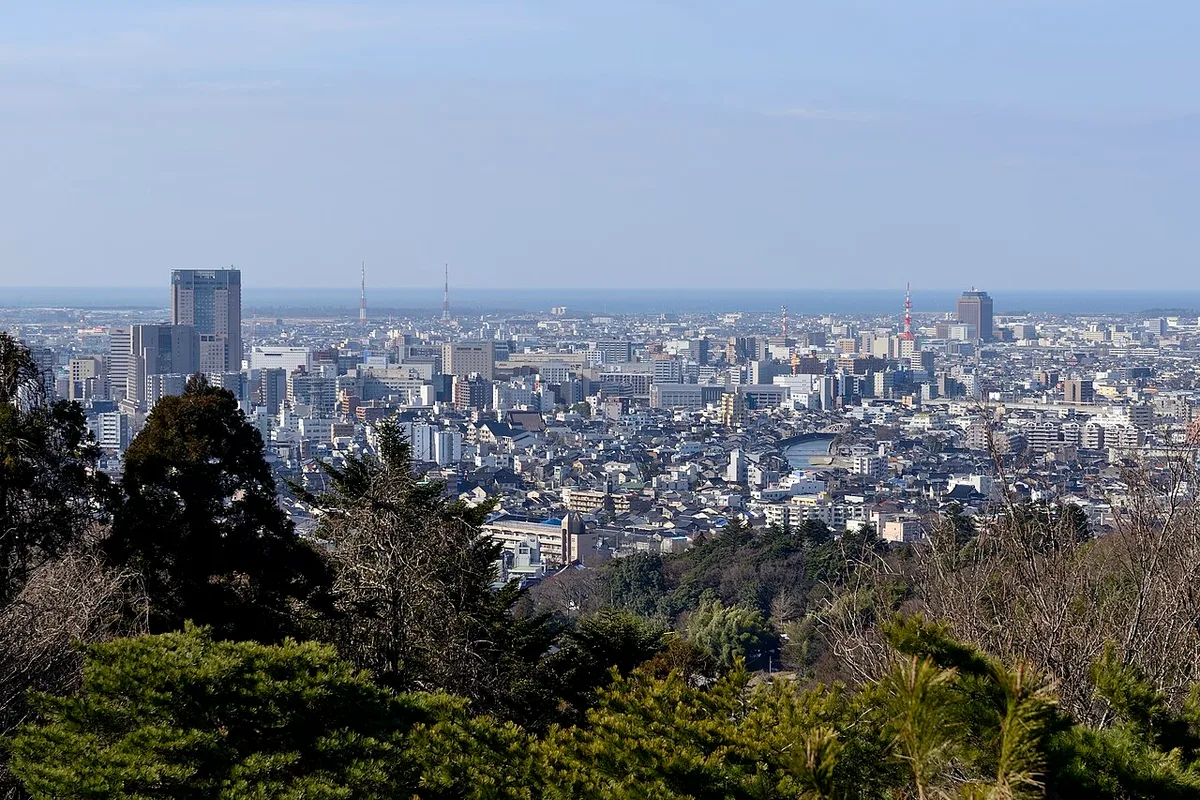
Norway
destination

Norway

destination

Norway offers sublime and serene natural wonders: fjords, fresh mountain air, and the northern lights. The UNESCO World Heritage-listed fjords symbolize traditional Norway, with wild landscapes easily accessible for independent or guided exploration. Oslo pairs urban life and striking architecture with nature experiences; other cities include Bergen (famous for the Hanseatic wharf Bryggen), Trondheim, Stavanger, Tromsø, and Kristiansand. A culinary revolution has brought new pride in Norwegian food traditions, with local and organic fare served in restaurants and at food festivals. Summer brings long days and light nights; above the Arctic Circle, the midnight sun never sets. Winter offers the northern lights and skiing.

Ireland
destination

Ireland

destination

Ireland offers travelers a mix of dramatic coastal landscapes, historic landmarks, and cultural experiences. The island features iconic natural sites like the Cliffs of Moher and the Giant's Causeway, along with cultural attractions such as Blarney Castle and the Guinness Storehouse. Visitors can explore Neolithic heritage at Brú na Bóinne, a UNESCO World Heritage Site, or walk the Carrick-a-Rede rope bridge suspended over 30 meters above the sea. The official tourism guide highlights food and drink as a story of place, people, and pride, with wildlife experiences and outdoor activities across the island. Geographically, the island encompasses relatively low-lying mountains surrounding a central plain, with several navigable rivers extending inland, and its mild climate is influenced by the Atlantic Ocean.

South Africa
destination

South Africa

destination

South Africa is Africa's southernmost country, known as the "Rainbow Nation" for its cultural diversity, 12 official languages, and varied landscapes. It offers a wide range of experiences from wildlife safaris in Kruger National Park to the scenic Garden Route, winelands near Cape Town, and cultural heritage sites including Robben Island. The country has well-developed infrastructure with modern amenities, though some rural areas remain among the poorest in the world. Travelers can expect a mix of first-world facilities and developing-world challenges, with a stable government and independent judicial system.

Colombia
destination

Colombia

destination

Colombia is the only South American country with coastlines on both the Pacific Ocean and the Caribbean Sea, offering a landscape that spans Amazon rainforest, Caribbean beaches, and Andean peaks. The country is known for its vibrant culture, world-class coffee, and the warmth of its people. Travelers can explore everything from heritage towns with carved wooden balconies to cloud forests and community-led conservation experiences.

Austria
destination

Austria

destination

Austria is a landlocked, German-speaking country in Central Europe, known as the winter sports centre of Europe alongside neighbouring Switzerland. It is equally popular with summer tourists who visit its historic cities and villages and hike in the Alpine scenery. With more than 30 million arrivals (2023) and about nine million inhabitants, it is one of the most visited countries in the world. The country is a federal republic of nine states, with Vienna as its capital and largest city, serving as the cultural, economic, and political centre. Austria's history is tied to the Austro-Hungarian Empire, and the modern republic came into being in 1918. The country declared perpetual neutrality in 1955 and joined the European Union in 1995.

Germany
destination

Germany

destination

Germany offers a rich mix of natural landscapes and cultural attractions, from majestic castles and picturesque mountain regions to the lively streets of Berlin. The country features diverse landscapes including North Sea and Baltic Sea islands, extensive northern plains, lower mountain ranges, and the Zugspitze in the Alps. Visitors can explore romantic river valleys, mountains such as the Brocken in the Harz Mountains and the Feldberg in the Black Forest, plus numerous UNESCO World Heritage Sites. The restaurant scene is highly diverse, with international cuisine available in big cities and regional German specialties like beer and wine worth trying.

United Kingdom
destination

United Kingdom

destination

The United Kingdom of Great Britain and Northern Ireland is a constitutional monarchy comprising four constituent countries: England, Scotland, Wales, and Northern Ireland. It is a diverse patchwork of native and immigrant cultures, possessing both a fascinating history and dynamic modern attractions. The capital and largest city is London, a truly global metropolis, and many of the country's other cities have much to offer. The country is known for its eccentric and subversive popular culture, its creation of five major sports (golf, rugby, cricket, lawn tennis, and football), and for having a music scene that may be the best in the world. Visitors can witness thousands of years of history, with stone circles, castles, thatched cottages, and palaces. The UK welcomes over 30 million visitors to its shores each year.
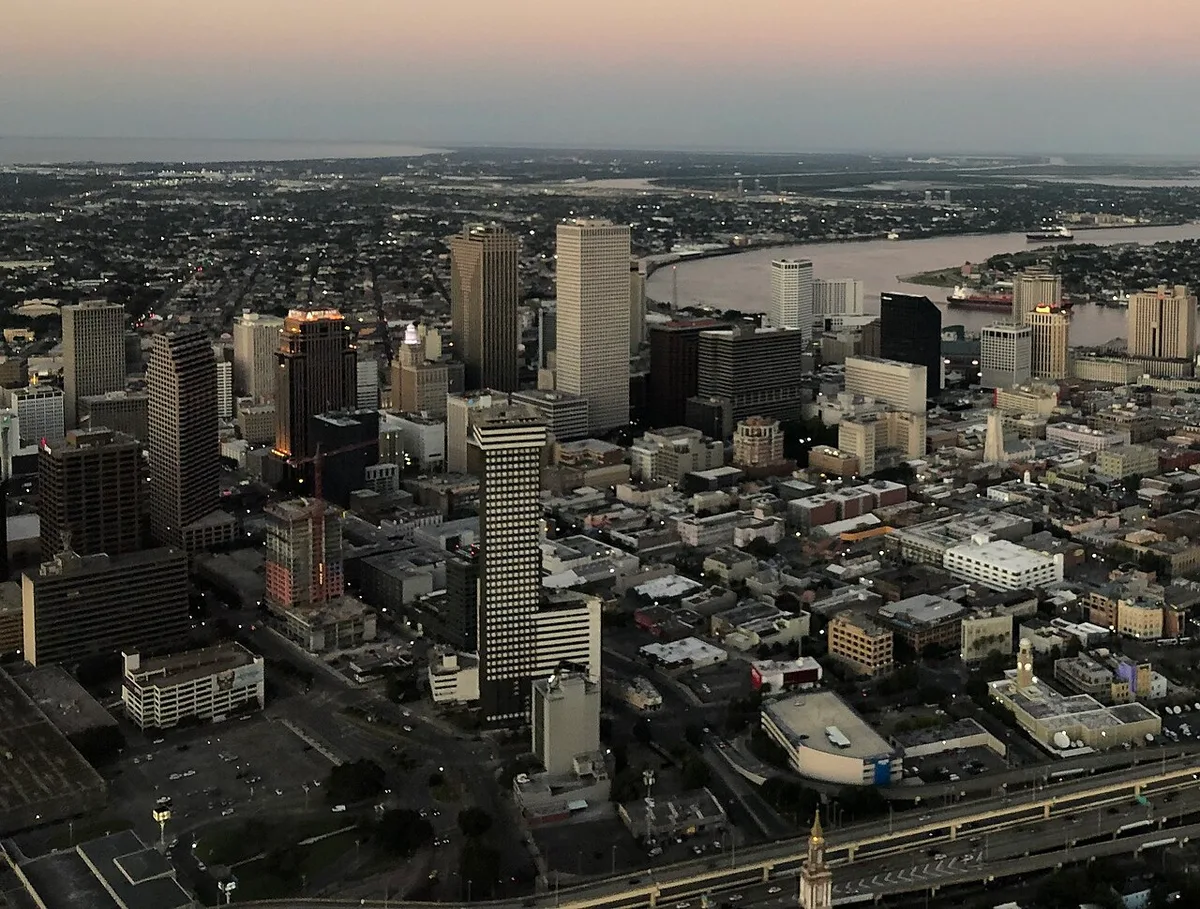
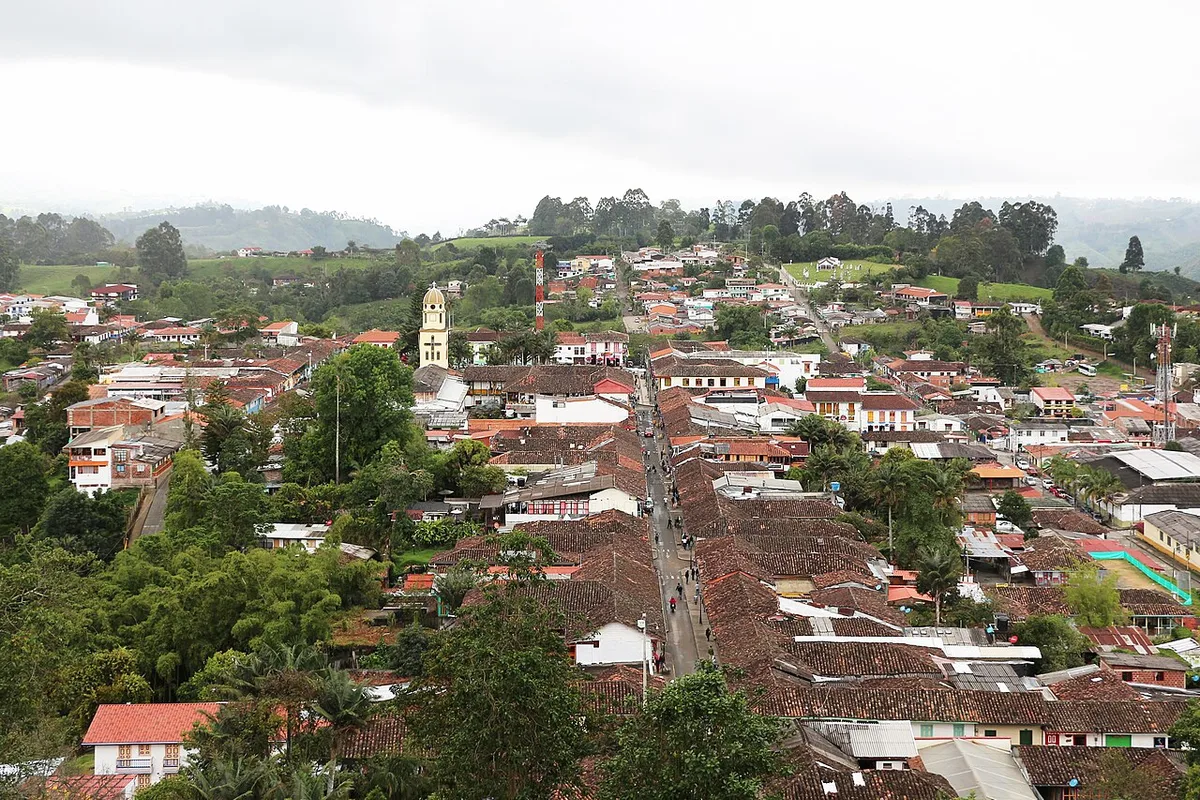
Page 1 of 1
PreviousNext
Published content
Source-backed summaries
No fake urgency
Affiliate links disclosed